Preserving cultural heritage requires more than passion—it demands meticulous project management to ensure every restoration honors the original craftsmanship while meeting modern standards.
From coordinating skilled artisans to navigating regulatory approvals, managing these projects involves balancing tradition with innovation. Overseeing timelines, budgets, and material sourcing can be complex, yet it’s essential for safeguarding history for future generations.
Having been involved in similar projects, I’ve seen firsthand how effective management transforms challenges into lasting success. Let’s dive deeper and explore the best strategies to master cultural heritage restoration project management!
Coordinating Artisans and Craftsmanship Quality
Identifying Skilled Craftsmen with Authentic Techniques
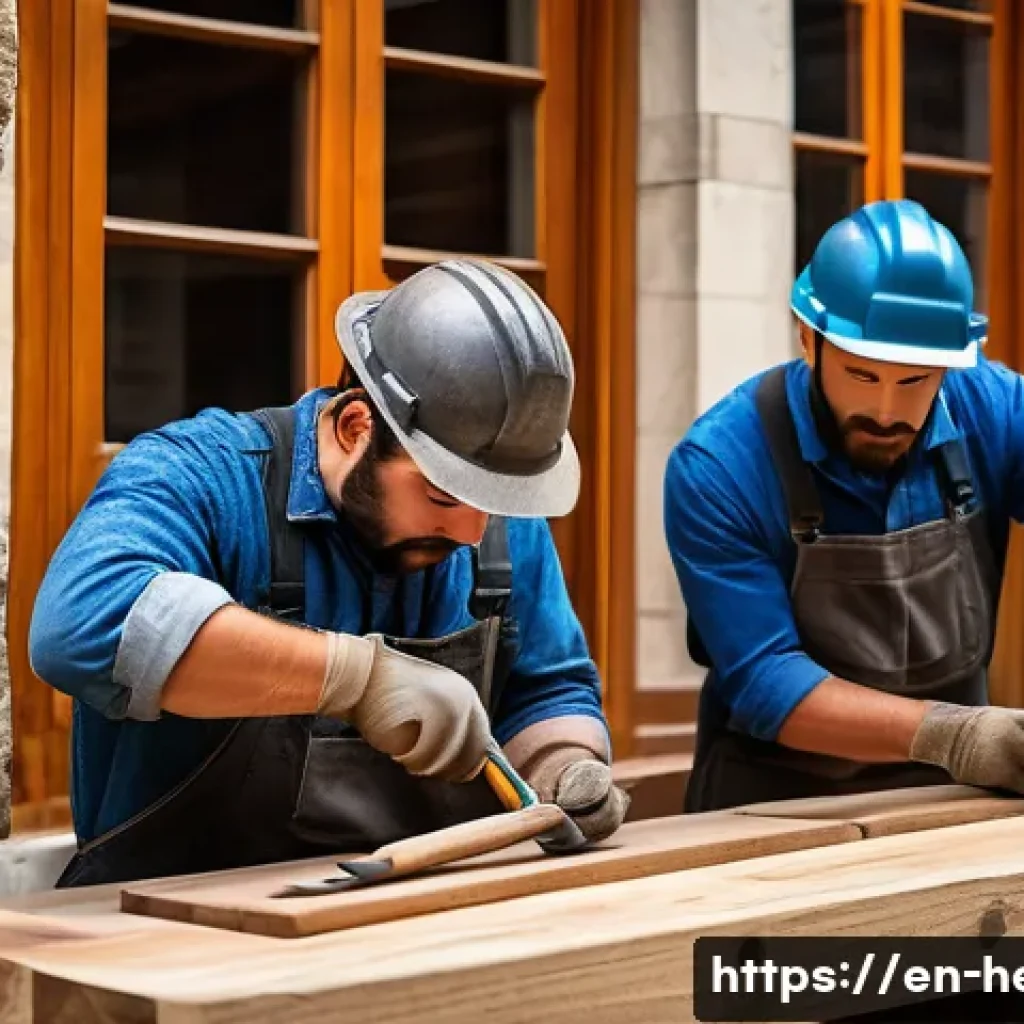
Finding artisans who truly understand traditional methods can be a painstaking process. It’s not just about hiring someone with the right credentials; it’s about connecting with craftsmen who have hands-on experience and a deep respect for the original work.
In my experience, local guilds, heritage organizations, and even word-of-mouth recommendations often lead to discovering talented individuals who carry forward centuries-old skills.
These craftsmen bring invaluable insight, which is crucial for preserving the authenticity of the restoration. Vetting their past projects and conducting small trial tasks can reveal whether their style aligns with the historic character of the site.
Ensuring Consistency in Craftsmanship Throughout the Project
Once the team is assembled, maintaining consistency is a challenge. Different artisans might have subtle variations in technique, which could affect the uniformity of the restoration.
To address this, I’ve found it’s essential to establish clear, documented standards and conduct regular workshops or review sessions. These gatherings help align everyone on the project’s vision and technical expectations.
Additionally, having a lead artisan or restoration specialist oversee the work daily ensures deviations are caught early and corrected, preserving the integrity of the craftsmanship.
Balancing Traditional Skills with Modern Tools
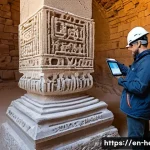
While honoring traditional methods, some modern tools can improve efficiency without compromising authenticity. For example, digital 3D modeling helps visualize the restoration before actual work begins, preventing costly mistakes.
Similarly, non-invasive scanning technologies allow for precise measurements and condition assessments. However, I always stress the importance of using these technologies as supplements—not replacements—to skilled manual labor.
Integrating modern tools thoughtfully helps the project stay on schedule and within budget while respecting historic techniques.
Navigating Regulatory Frameworks and Compliance
Understanding Local and National Heritage Laws
Each region has its own set of heritage protection laws that can affect how restoration projects are managed. These regulations often dictate what materials can be used, the extent of permissible alterations, and documentation required for approval.
When I worked on a historic church restoration, early consultations with heritage authorities saved us from costly redesigns later. It’s critical to review all relevant legislation before drafting project plans, ensuring compliance from day one and avoiding delays caused by legal hurdles.
Securing Permits and Approvals Efficiently
The approval process can be lengthy and complex, involving multiple agencies and stakeholders. I’ve learned that building strong relationships with regulatory bodies can expedite permit acquisition.
Providing comprehensive, transparent documentation and regular progress updates fosters trust and demonstrates the team’s commitment to preservation standards.
Additionally, anticipating potential questions or concerns before submission helps prevent back-and-forths that stall progress. Assigning a dedicated liaison familiar with heritage law makes a huge difference in navigating this bureaucratic maze.
Incorporating Community and Stakeholder Input
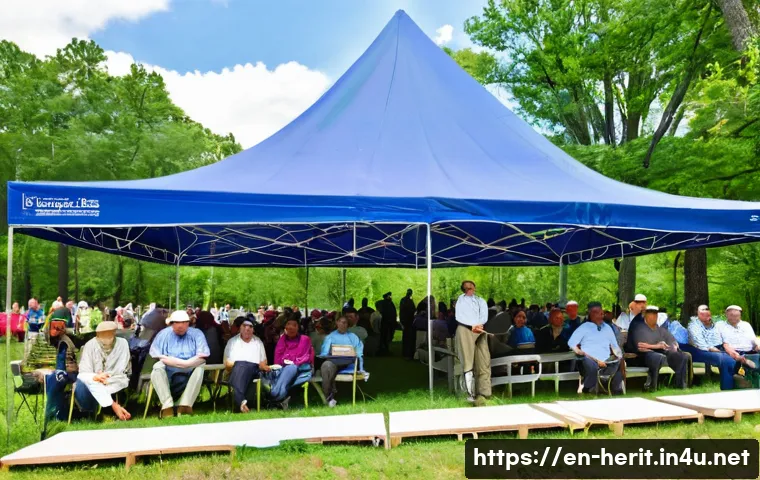
Heritage sites often hold cultural significance beyond their physical structure, so involving local communities and stakeholders is vital. When managing restoration projects, I always recommend organizing public consultations or information sessions.
This approach not only garners support but also uncovers valuable historical knowledge and perspectives that might otherwise be overlooked. Incorporating this input strengthens the project’s social license and helps ensure the restoration honors the cultural context as much as the physical fabric.
Optimizing Project Timelines and Budget Controls
Developing Realistic Schedules with Built-In Flexibility
Restoration work is notoriously unpredictable—unexpected discoveries, weather conditions, or material delays can disrupt timelines. From my experience, creating a detailed schedule that includes buffer periods for unforeseen issues is crucial.
Breaking the project into phases and setting milestone reviews allows for ongoing adjustments without derailing the entire timeline. Communicating these contingencies clearly to clients and stakeholders helps manage expectations and reduce pressure on the team.
Cost Management Through Transparent Budgeting
Budget overruns are a common pitfall in heritage restoration. I’ve found that transparent budgeting, with line items for labor, materials, permits, and contingencies, is essential.
Regular financial reporting and comparing actual expenses against projections enable early detection of cost creep. Moreover, negotiating fixed-price contracts with suppliers and artisans, when possible, provides better cost control.
It’s also wise to allocate a contingency fund—usually around 10-15% of the total budget—to absorb unexpected expenses without compromising quality.
Leveraging Technology for Progress Tracking
Using project management software tailored for construction or restoration projects can significantly improve timeline and budget oversight. These tools allow real-time updates, task assignments, and document sharing among team members and stakeholders.
In projects I managed, such platforms enhanced communication and reduced delays caused by misunderstandings or missed deadlines. Integrating financial tracking modules also helps keep the project on budget, facilitating quick responses to any deviations.
Material Sourcing and Authenticity Assurance
Sourcing Period-Accurate Materials Locally and Globally
One of the toughest challenges in restoration is finding materials that match the original in composition, texture, and appearance. Depending on the site’s age and location, some materials may no longer be readily available.
I’ve often had to track down specialized suppliers or commission custom reproductions to meet these needs. In some cases, sourcing reclaimed materials from similar period buildings slated for demolition can be a sustainable and authentic solution.
Building a network of reliable suppliers with expertise in heritage materials is invaluable for smooth procurement.
Verifying Material Quality and Compatibility
Using incorrect or substandard materials can cause long-term damage or diminish the historical value of the restoration. Therefore, it’s critical to conduct thorough testing and certification for all materials before incorporation.
In past projects, we performed chemical analyses and durability tests to confirm compatibility with existing structures. Additionally, consulting conservation scientists or material experts can provide guidance on best practices.
Documenting all material specifications and test results also supports transparency and future maintenance.
Managing Material Delivery and Storage Risks
Because heritage materials are often rare and expensive, their handling requires special attention. Improper storage can lead to deterioration before use, wasting resources and delaying progress.
I’ve implemented controlled environments with humidity and temperature monitoring for sensitive materials such as timber or lime-based mortars. Coordinating just-in-time delivery minimizes storage time on-site, reducing risk.
Clear protocols for inventory management and damage inspection upon receipt ensure the materials remain in optimal condition throughout the project lifecycle.
Engaging Stakeholders Through Transparent Communication
Establishing Clear Communication Channels

Restoration projects involve a diverse group of stakeholders, including clients, artisans, regulators, and community members. Establishing clear, consistent communication channels is fundamental to project harmony.
In my projects, I set up regular status meetings, progress newsletters, and shared digital platforms where updates and documents are accessible. This transparency helps prevent misinformation and builds trust, especially when unexpected issues arise.
Tailoring communication styles to different audiences—technical for specialists, plain language for the public—also improves engagement.
Addressing Concerns and Feedback Promptly
When people feel heard, they’re more likely to support the project. I make it a point to actively solicit feedback during public forums or via surveys and respond promptly to concerns.
For example, if local residents worry about noise or access disruptions, offering mitigation plans and timelines eases tensions. Documenting feedback and actions taken also demonstrates accountability.
This ongoing dialogue fosters a collaborative atmosphere where challenges are viewed as shared problems rather than obstacles.
Celebrating Milestones to Maintain Enthusiasm
Restoration projects can span months or years, so maintaining enthusiasm is key. I’ve found that celebrating milestones with stakeholders—through site tours, press releases, or community events—creates positive momentum.
Highlighting progress and acknowledging everyone’s contributions reinforces collective pride and commitment. These moments also offer valuable opportunities for media coverage and fundraising, which can support future conservation efforts.
Risk Management and Contingency Planning
Identifying Potential Risks Early
Risks in heritage restoration range from structural surprises to funding shortfalls. Early identification is critical to avoid costly disruptions. Conducting comprehensive site assessments, consulting experts, and reviewing historical records help anticipate challenges.
During one project, uncovering hidden water damage required immediate redesign of the restoration plan. By factoring such possibilities into the initial risk register, the team was better prepared to pivot without panic.
Developing Robust Contingency Plans
Once risks are identified, developing detailed contingency plans ensures swift, effective responses. I recommend assigning responsibility for each risk to a team member and outlining specific mitigation actions.
For example, if a key artisan becomes unavailable, having backup specialists on call minimizes downtime. Similarly, financial contingencies allow for emergency procurement of alternative materials.
Keeping these plans updated and rehearsed with the team enhances readiness and confidence.
Monitoring and Adjusting Risk Strategies Throughout the Project
Risk management isn’t a one-time task; it requires continuous monitoring. Regular risk reviews during project meetings help detect new threats or changes in existing ones.
Adjusting strategies accordingly keeps the project resilient. In one instance, a sudden change in local regulations necessitated rapid compliance adjustments, which were manageable because the team had a culture of proactive risk management.
Documenting lessons learned also improves future projects’ risk preparedness.
Integrating Sustainability into Restoration Practices
Choosing Eco-Friendly Materials and Methods
Sustainability is increasingly important in heritage restoration. Selecting materials with low environmental impact—such as natural lime mortars instead of cement-based ones—aligns with conservation goals and ecological responsibility.
I have witnessed projects where integrating reclaimed wood and locally sourced stone not only reduced carbon footprints but also enhanced authenticity.
Furthermore, adopting low-energy techniques and minimizing waste contribute to greener restorations.
Promoting Long-Term Preservation and Maintenance
Sustainability extends beyond the restoration phase; planning for ongoing maintenance is crucial. Incorporating durable materials and designing interventions that are reversible or easily repairable helps safeguard the site’s future.
I’ve advised clients to establish maintenance schedules and train local caretakers to prevent deterioration. This proactive stewardship ensures that the restored heritage remains vibrant and intact for generations to come.
Engaging Communities in Sustainable Heritage Practices
Educating and involving local communities in sustainable practices fosters shared responsibility. Workshops on traditional crafts and environmentally friendly techniques create local expertise and pride.
In projects I participated in, community-led maintenance programs proved highly effective in balancing preservation with everyday use. Such engagement also strengthens cultural identity and encourages sustainable tourism, creating economic benefits tied to heritage conservation.
| Aspect | Key Considerations | Practical Tips |
|---|---|---|
| Artisan Coordination | Authentic skills, consistency, use of modern tools | Vet artisans via trials, hold regular reviews, integrate tech as supplement |
| Regulatory Compliance | Local laws, permits, stakeholder engagement | Consult early, build relationships, hold public consultations |
| Project Scheduling | Realistic timelines, buffer periods, milestone reviews | Phase planning, clear communication, use project software |
| Budget Management | Transparent budgeting, cost control, contingencies | Regular financial reporting, fixed-price contracts, reserve funds |
| Material Sourcing | Authenticity, quality testing, storage conditions | Use specialist suppliers, conduct tests, monitor storage |
| Stakeholder Communication | Clear channels, feedback response, celebration of progress | Regular updates, public forums, milestone events |
| Risk Management | Early identification, contingency plans, ongoing monitoring | Risk registers, assigned responsibilities, frequent reviews |
| Sustainability | Eco-friendly materials, maintenance planning, community involvement | Choose natural materials, train caretakers, engage locals |
In Closing
Successfully restoring heritage sites demands a delicate balance of tradition, innovation, and collaboration. Drawing from experience, I’ve seen how meticulous artisan coordination, strict regulatory compliance, and clear communication pave the way for authentic and lasting results. Embracing both craftsmanship and modern tools ensures projects stay on track without sacrificing integrity. Ultimately, honoring history while planning for sustainability secures these treasures for future generations.
Useful Information to Keep in Mind
1. Vet artisans thoroughly through hands-on trials to ensure their techniques align with historic authenticity.
2. Establish open communication channels with all stakeholders to foster trust and timely feedback.
3. Build realistic project schedules that include buffer periods to handle unexpected challenges smoothly.
4. Maintain transparent budgeting with regular financial reviews and contingency funds to avoid cost overruns.
5. Incorporate sustainable materials and community involvement to promote long-term preservation and shared stewardship.
Key Takeaways
Coordinating skilled craftsmen with authentic methods is essential for preserving heritage integrity, supported by clear standards and oversight. Navigating complex heritage regulations early prevents costly delays, while engaging communities adds cultural depth to restorations. Realistic timelines and transparent budgets keep projects manageable, and leveraging technology enhances progress tracking. Sourcing period-accurate, high-quality materials combined with careful storage safeguards authenticity. Transparent communication fosters stakeholder support, and proactive risk management ensures resilience. Finally, integrating sustainability through eco-friendly practices and community engagement guarantees these historic sites endure well into the future.
Frequently Asked Questions (FAQ) 📖
Q: What are the key challenges in managing cultural heritage restoration projects?
A: One of the biggest challenges is striking the right balance between preserving original craftsmanship and integrating modern standards for safety and durability.
Coordinating skilled artisans who specialize in traditional techniques can be tough, especially when those skills are rare. Additionally, navigating complex regulatory requirements and securing permits often slows down progress.
Budget constraints and sourcing authentic materials add another layer of difficulty. From my experience, the projects that succeed are those where management anticipates these hurdles early and fosters clear communication among all parties involved.
Q: How can project managers ensure authenticity while meeting modern regulations?
A: Maintaining authenticity requires deep respect for the original work and close collaboration with historians, conservators, and craftsmen. At the same time, project managers must stay up-to-date with local building codes, environmental standards, and safety regulations.
A practical approach is to involve experts who specialize in both heritage preservation and compliance. For example, using reversible or non-invasive restoration techniques can satisfy regulators without compromising historical integrity.
Personally, I’ve found that early engagement with regulatory bodies helps avoid surprises and allows for creative solutions that honor tradition yet meet today’s standards.
Q: What strategies improve efficiency and success in cultural heritage restoration projects?
A: Effective planning is critical—breaking down the project into manageable phases with clear milestones helps keep things on track. Utilizing project management tools to monitor timelines and budgets ensures resources are well allocated.
I’ve also learned that fostering strong relationships with suppliers of authentic materials can prevent costly delays. Flexibility is key because unexpected issues often arise, so building contingency plans into the schedule makes a big difference.
Above all, creating an environment where every team member feels valued and heard leads to smoother collaboration and ultimately, a restoration that stands the test of time.