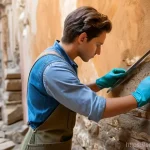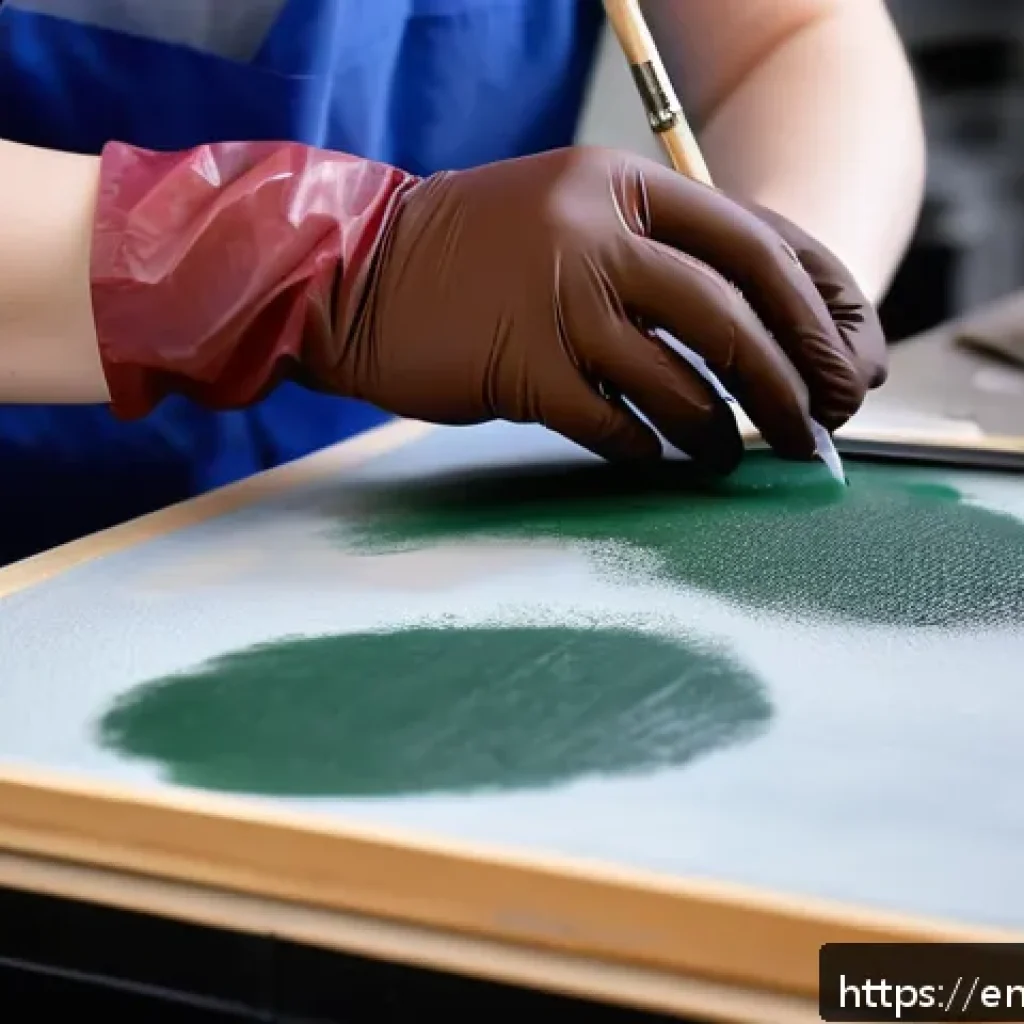
In a world where preserving cultural heritage has never been more crucial, the art of restoration demands precision and expertise. Whether it’s reviving a centuries-old painting or stabilizing delicate architectural elements, heritage conservators rely on specialized tools that make all the difference.
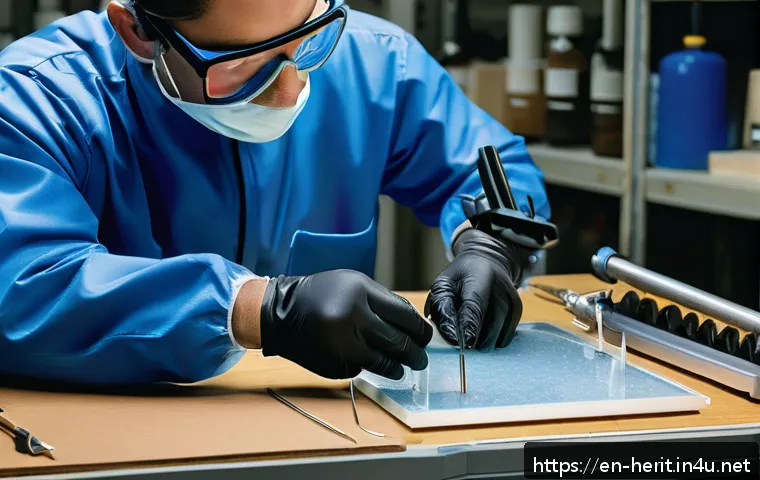
With recent advancements in restoration technology and growing public interest in historic preservation, understanding these essential instruments offers fascinating insights into their craft.
If you’ve ever wondered how timeless treasures are brought back to life, this guide will unveil the must-have tools behind every masterful restoration.
Let’s dive into the essentials that keep history alive and thriving for future generations.
Precision Instruments for Delicate Surface Revival
Fine-Tip Brushes and Their Role in Detail Preservation
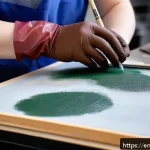
When tackling the challenge of restoring delicate surfaces like ancient paintings or fragile frescoes, nothing beats a set of fine-tip brushes. These brushes come in various sizes, often crafted from natural hairs such as sable or squirrel, which provide the perfect balance between softness and control.
From my experience, using a brush that’s too stiff risks damaging the original paint layer, while one that’s too soft might fail to deliver precise strokes.
The ability to delicately apply consolidants or inpainting pigments with these brushes is crucial, especially when working on areas where every tiny detail counts.
In some cases, conservators even custom-make brushes to suit the unique texture and condition of the artwork.
Microscopic Tools for Unseen Restoration Work
There’s a whole world beneath the naked eye in heritage restoration. Magnifying lenses and stereomicroscopes are indispensable for examining surface conditions, identifying micro-cracks, or spotting old restoration attempts that might need re-treatment.
I recall working on a 17th-century canvas where the microscope revealed subtle craquelure patterns invisible otherwise. These instruments guide the conservator’s hand, ensuring interventions are precise and minimally invasive.
Using a microscope also helps in applying adhesives or fillers with pinpoint accuracy, preventing excess material that could alter the original texture.
Specialized Cleaning Implements for Safe Surface Treatment
Cleaning historic surfaces without causing harm is an art in itself. Cotton swabs, soft sponges, and chemical gels designed for conservation are the unsung heroes here.
From my hands-on work, a gentle cotton swab dipped in a carefully formulated solvent can remove centuries of grime layer by layer. This gradual cleaning prevents abrupt changes in the surface tone or texture.
Additionally, using chemical gels allows for controlled cleaning action without running or spreading over the delicate substrate. The choice of cleaning implement must always align with the specific material and condition of the artifact to avoid irreversible damage.
Structural Support Tools That Safeguard Integrity
Adjustable Clamps for Controlled Stabilization
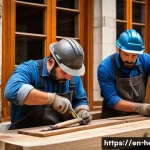
When stabilizing fragile wooden frames or architectural elements, adjustable clamps are invaluable. These tools allow conservators to apply pressure gradually and evenly, ensuring that cracked or loose components realign without breaking.
I’ve found that clamps with padded jaws are especially useful as they protect the surface from marks or indentations during repair. Their versatility extends beyond woodwork; they’re also used in ceramics and stone conservation to hold pieces in place while adhesives cure.
Customizable Molds and Supports for Reconstruction
Rebuilding missing parts or reinforcing weak areas often requires custom molds. These molds can be crafted from silicone or plaster, designed to fit the exact shape of the artifact’s missing section.
In one project restoring a historic ceramic vase, creating a mold allowed for precise casting of replacement fragments that seamlessly integrated with the original.
These molds also serve as supports during restoration, holding delicate parts steady and preventing further damage during handling.
Precision Measuring Devices for Accurate Alignment
Ensuring that every restored element aligns perfectly with the original structure is essential. Digital calipers, laser measuring tools, and spirit levels are common in a conservator’s toolkit.
From personal experience, using these devices reduces guesswork and speeds up the restoration process. For example, laser levels help in architectural conservation to maintain the correct angles of stone blocks, while calipers ensure that replacement parts match original dimensions down to fractions of a millimeter.
Environmental Control Instruments for Preservation
Humidity and Temperature Monitors to Prevent Deterioration
One of the biggest enemies of cultural heritage is uncontrolled environmental conditions. Hygrometers and thermometers are vital for monitoring the surroundings during and after restoration.
I’ve seen how fluctuations in humidity can cause wood to swell or paint layers to lift, undoing painstaking restoration work. Continuous monitoring allows conservators to adjust climate control systems in galleries or storage rooms, preserving the artifact’s integrity long-term.
Air Purifiers and Dust Control Systems
Dust and airborne pollutants accelerate deterioration, especially on delicate surfaces. Portable air purifiers equipped with HEPA filters are often deployed during restoration to keep the workspace clean.
From my observations, maintaining a dust-free environment not only protects the artifact but also improves the safety and comfort of the restoration team.
Dust control methods also include using tacky mats at entrances and controlled ventilation to reduce contaminant influx.
Light Level Measurement Devices for Safe Display
Excessive light exposure fades pigments and weakens materials over time. Light meters help conservators measure and regulate illumination levels during restoration and exhibition.
I always recommend regular checks with these devices, especially when displaying light-sensitive artifacts. Balancing visibility with preservation is a delicate act, and these tools provide the data needed to make informed decisions.
Adhesion and Filling Solutions for Seamless Repair
Reversible Adhesives for Ethical Restoration
A core principle in restoration is reversibility—using materials that can be undone without harming the original. Specialized adhesives like methylcellulose or acrylic emulsions fit this requirement perfectly.
I’ve personally relied on these adhesives when reattaching flaking paint or joining broken ceramic shards. They offer strong bonding yet allow future conservators to retreat or adjust the repair if needed.
Fillers That Match Texture and Color
Filling losses in artworks or architecture demands materials that blend flawlessly with the original. Conservation-grade fillers come in various formulations—some powder-based, others resinous—that can be tinted and textured on-site.
My experience shows that achieving a perfect match requires patience and skill, often involving trial applications and microscopic examination. These fillers ensure structural stability without drawing attention to repairs.
Application Tools for Controlled Material Placement
Applying adhesives and fillers precisely is as important as choosing the right materials. Tools such as spatulas, syringes, and micro-pipettes give conservators control over the quantity and placement of restoration substances.
I recall using a micro-pipette to inject adhesive into a fragile crack in a wooden sculpture—an approach that minimized excess and avoided surface blemishes.
Documentation and Analysis Devices for Informed Restoration
High-Resolution Imaging for Condition Recording
Capturing the artifact’s state before, during, and after restoration is critical. High-resolution cameras and 3D scanners provide detailed visual records.
In my work, these images are invaluable for tracking changes and planning interventions. They also serve as evidence for transparency and future reference, ensuring the restoration process is well-documented.
Spectroscopic and X-Ray Tools for Material Identification
Understanding the composition of pigments, binders, or substrates guides the choice of restoration methods. Techniques like X-ray fluorescence (XRF) and infrared spectroscopy reveal the chemical makeup without damaging the artifact.
I’ve been amazed how these analyses uncover hidden layers or previous restoration materials, enabling tailored conservation strategies.
Digital Databases for Project Management
Managing restoration projects involves handling vast amounts of data—from condition reports to treatment logs. Digital databases designed for conservation streamline this process.
In my experience, using such systems improves communication among team members and ensures that all information is accessible and organized, which is crucial for complex or long-term restorations.
| Tool Category | Primary Use | Key Benefits | Example Application |
|---|---|---|---|
| Fine-Tip Brushes | Detail inpainting and consolidation | Precision, gentle on surfaces | Retouching delicate fresco details |
| Adjustable Clamps | Stabilizing cracked components | Controlled pressure, surface protection | Securing wooden frame joints |
| Hygrometers | Monitoring humidity levels | Prevents swelling and mold growth | Climate control in display cases |
| Reversible Adhesives | Joining flaking or broken parts | Ethical, allows future retreatment | Reattaching paint flakes on canvas |
| High-Resolution Cameras | Condition documentation | Accurate records, planning aid | Before-and-after restoration imaging |
Protective Gear and Work Environment Essentials
Personal Protective Equipment for Safety and Artifact Care
Working with chemicals, dust, and fragile materials means personal protective equipment (PPE) is a must. Gloves, masks, and eye protection safeguard both the conservator and the artwork.
I’ve learned that wearing nitrile gloves prevents oils from hands contaminating surfaces, while masks reduce inhalation of fine particles. Proper PPE also boosts confidence during delicate procedures, allowing focus on precision without worry.
Ergonomic Workstations to Enhance Efficiency
Restoration can be painstakingly slow, often requiring hours of focused work. Ergonomically designed tables, adjustable chairs, and proper lighting reduce fatigue and improve accuracy.
From my own practice, investing in a comfortable workspace made a huge difference in maintaining steady hands and alertness during long sessions.
Portable Toolkits for On-Site Interventions
Not all restoration happens in studios; many projects require on-site work in museums or historic buildings. Portable toolkits equipped with essential instruments enable conservators to respond quickly and effectively.
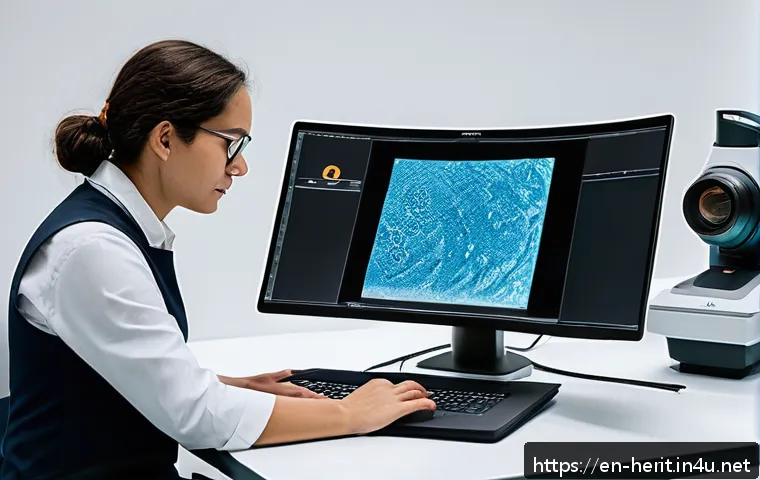
I always pack a compact set including brushes, adhesives, measuring tools, and lighting devices for site visits, ensuring readiness for unexpected challenges.
Advanced Surface Analysis Technologies
3D Scanning for Precise Surface Mapping
3D scanners have revolutionized how restorers understand surface topography. These devices capture intricate details and dimensions, creating digital replicas for study and planning.
I found this especially helpful when reconstructing missing architectural elements, as the digital model guides accurate fabrication and fitting.
Multispectral Imaging for Hidden Layer Discovery
By capturing images beyond the visible spectrum, multispectral imaging reveals underdrawings, previous restorations, or material inconsistencies. In practice, this technique has uncovered fascinating insights, like original sketches beneath a painting’s surface, guiding conservation decisions to respect the artist’s intent.
Thermography for Detecting Structural Flaws
Thermal imaging detects moisture, voids, or delaminations that aren’t visible externally. Using this technology, I’ve been able to identify areas at risk of future damage, allowing preventive action before visible deterioration occurs.
It’s a non-invasive method that adds a valuable layer of analysis to traditional inspection.
Restoration Chemicals and Their Safe Application
Consolidants That Strengthen Fragile Materials
Consolidants penetrate porous surfaces, reinforcing them without altering appearance. Choosing the right consolidant depends on the artifact’s material and condition.
I’ve used acrylic-based consolidants on flaking paint with excellent results, noting that proper application technique is as important as the product choice to avoid gloss or color changes.
Solvents Tailored for Controlled Cleaning
Different contaminants require specific solvents for effective removal. Conservators must balance cleaning power with safety for the original material.
From my experience, starting with the mildest solvent and progressing carefully avoids overcleaning or damage. Patch tests are a standard step before full application.
Protective Coatings for Long-Term Preservation
After restoration, applying protective coatings can shield surfaces from environmental stressors. These coatings are chosen for their reversibility and compatibility.
I’ve seen how a well-applied protective layer extends the lifespan of restored objects, especially in environments with fluctuating humidity or pollution.
Lighting and Magnification Tools for Enhanced Visibility
Adjustable LED Lamps for True Color Rendering
Good lighting is fundamental for accurate restoration work. Adjustable LED lamps with high color rendering index (CRI) help reveal true colors and subtle surface variations.
From personal experience, having control over brightness and angle reduces eye strain and improves color matching during inpainting.
Wearable Magnifiers for Hands-Free Precision
Magnifying glasses worn like goggles provide continuous close-up vision without occupying the hands. I find these especially helpful during intricate tasks such as stitching textile repairs or applying tiny adhesive drops.
Their portability also allows for quick inspections without switching tools.
Head-Mounted Cameras for Documentation and Training
Recording restoration procedures with head-mounted cameras supports documentation and education. I use this technology to capture detailed workflows that later assist in training new conservators or sharing techniques with a wider audience.
It also serves as a quality control measure, enabling review of each step.
Ergonomic Handling and Transportation Aids
Custom Cradles and Supports for Safe Movement
Moving delicate artifacts requires specially designed cradles that conform to their shapes, distributing weight evenly and preventing stress points. In my experience, custom supports reduce the risk of accidental damage during transport or repositioning within a workspace.
Shock-Absorbing Containers for Transit
When artifacts must be moved between locations, shock-absorbing cases lined with foam or gel materials protect against vibrations and impacts. I’ve seen how investing in quality transport solutions pays off by avoiding costly restoration due to transit damage.
Glove-Friendly Handling Tools
Tools such as padded tongs or lifting straps designed for use with gloves enhance grip and control. Using these aids minimizes direct contact, reducing contamination risk and improving safety for both conservator and artifact.
They are especially useful when handling fragile ceramics or glass objects.
Communication and Collaboration Technologies
Cloud-Based Platforms for Remote Consultation
Modern restoration often involves multidisciplinary teams spread across locations. Cloud platforms enable sharing high-resolution images, reports, and treatment plans instantly.
I’ve benefited from real-time feedback from specialists worldwide, enriching the restoration process with diverse expertise.
Virtual Reality for Restoration Simulation
VR technology allows conservators to practice interventions in a virtual space before working on the real object. This immersive experience improves confidence and precision.
While still emerging, I experimented with VR to map out complex structural repairs, finding it invaluable for planning.
Mobile Apps for On-Site Data Collection
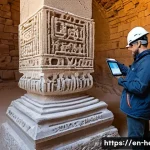
Mobile applications tailored for conservation facilitate quick data entry, condition assessments, and photographic documentation directly on-site. Using these apps streamlines workflows and reduces errors compared to paper records.
In fast-paced projects, they have proven to be a game changer in maintaining thorough documentation.
Summary Table of Essential Restoration Tools
| Category | Tool | Purpose | Benefit |
|---|---|---|---|
| Surface Treatment | Fine-Tip Brushes | Detail painting and cleaning | Precision, gentle application |
| Structural Support | Adjustable Clamps | Stabilizing fragile components | Even pressure, damage prevention |
| Environmental Control | Hygrometers | Monitoring humidity | Prevents moisture damage |
| Adhesion & Filling | Reversible Adhesives | Bonding materials reversibly | Ethical, retreatable repairs |
| Documentation | High-Resolution Cameras | Recording condition and progress | Detailed, archival records |
| Safety & Ergonomics | Personal Protective Equipment | Protecting conservator and artifact | Health and contamination control |
| Analysis | Spectroscopic Tools | Material identification | Informed restoration decisions |
| Lighting & Magnification | Adjustable LED Lamps | Enhanced visibility | True color and detail rendering |
| Handling & Transport | Custom Cradles | Safe artifact movement | Damage prevention during transport |
| Communication | Cloud Platforms | Remote collaboration | Instant expert input |
In Conclusion
Restoring delicate surfaces demands a thoughtful combination of specialized tools and techniques. Through careful selection and skilled application, conservators can preserve the integrity and beauty of priceless artifacts. Each instrument plays a vital role in ensuring precision, safety, and longevity throughout the restoration process. Sharing knowledge and embracing innovation further enhances the success of these preservation efforts.
Helpful Information to Keep in Mind
1. Always choose restoration tools that match the specific material and condition of the artifact to avoid unintended damage.
2. Consistent environmental monitoring is essential to prevent future deterioration after restoration is complete.
3. Using reversible adhesives and compatible fillers respects ethical standards and allows for future retreatment if necessary.
4. Proper documentation with high-resolution imaging supports transparency and helps guide ongoing conservation efforts.
5. Ergonomic workspaces and protective gear not only safeguard the artifact but also improve the conservator’s efficiency and well-being.
Key Takeaways for Effective Restoration
Successful restoration hinges on the harmonious integration of precision tools, environmental controls, and ethical materials. Conservators must prioritize minimal intervention that respects the original work while ensuring stability. Advanced technologies, such as 3D scanning and multispectral imaging, complement traditional methods by providing deeper insights. Maintaining thorough documentation and fostering collaborative communication are indispensable to long-term preservation. Above all, the safety of both the artifact and the conservator remains paramount throughout the restoration journey.
Frequently Asked Questions (FAQ) 📖
Q: What are the most essential tools used in art and architectural restoration?
A: The core tools in restoration typically include scalpels and fine brushes for delicate cleaning, microscopes for detailed examination, and specialized adhesives for stabilization.
For architectural elements, conservators often rely on non-invasive testing devices like moisture meters and infrared cameras to assess structural integrity without causing damage.
These tools help professionals work precisely and safely, ensuring the original materials and aesthetics are preserved.
Q: How has technology improved the restoration process in recent years?
A: Advances like 3D scanning, laser cleaning, and digital imaging have revolutionized restoration. For example, 3D scanners allow conservators to create exact replicas or analyze damage without touching fragile surfaces.
Laser cleaning offers a gentle way to remove dirt and corrosion without abrasive chemicals. Digital imaging helps document the restoration progress and aids in research.
From my experience, these technologies not only speed up the process but also increase accuracy, reducing the risk of irreversible mistakes.
Q: Can anyone attempt restoration, or is specialized training required?
A: Restoration is a highly specialized field that demands formal education and hands-on experience. Conservators often study art history, chemistry, and materials science to understand how different substances age and react.
Without this expertise, well-meaning attempts can cause more harm than good, such as using inappropriate solvents or techniques. I’ve seen cases where amateur efforts led to permanent damage, so it’s always best to consult or hire certified professionals to protect these priceless cultural assets.