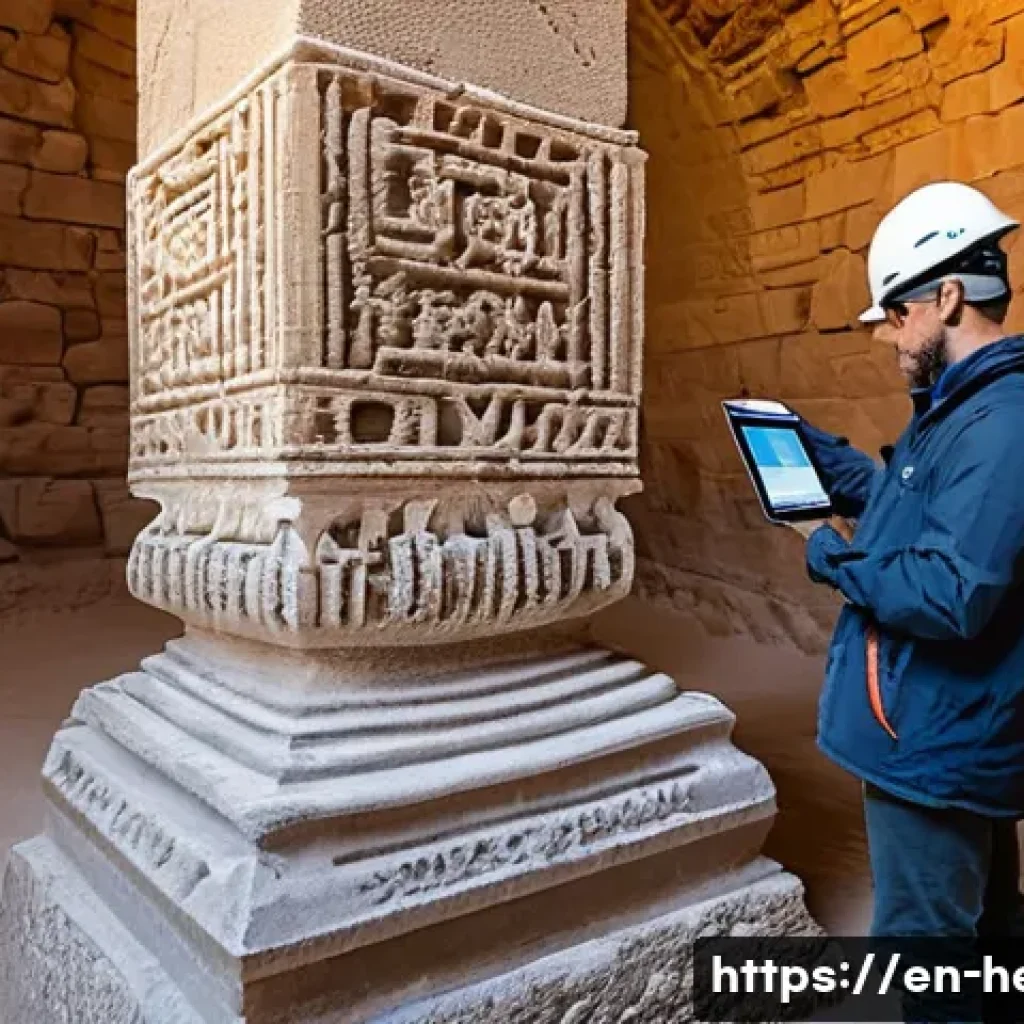
Hey there, fellow history buffs and future shapers! Have you ever walked through an ancient site or admired a centuries-old painting and just wondered about the incredible dedication it takes to keep these treasures alive for generations to come?
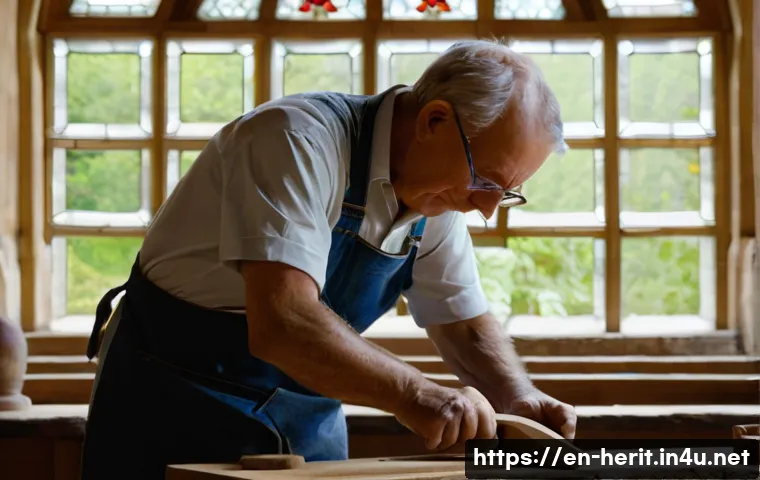
I know I have, and honestly, it’s a thought that truly captivates me. The world of cultural heritage repair isn’t just about fixing old things; it’s a vibrant, evolving industry blending artistry, science, and a deep respect for the past.
From the intricate work on historical architecture to the delicate conservation of priceless artifacts, the people in this field are truly unsung heroes.
I’ve been tracking this space for years, and what I’ve seen firsthand is a fascinating blend of traditional craftsmanship evolving with cutting-edge technology.
It’s no longer just about knowing how to chisel stone or repaint a fresco; we’re talking about drone mapping, 3D printing for missing pieces, and AI-powered diagnostics that can detect deterioration long before the human eye can.
The challenges are real – think climate change impacts, dwindling traditional skills, and the sheer cost of preservation – but the innovation and passion I encounter are absolutely inspiring.
It feels like we’re at a pivotal moment, reimagining how we protect our shared human story. We’re seeing a global surge in awareness, not just about preserving what *is*, but also about proactively safeguarding what *will be* for future generations.
This isn’t just a niche industry anymore; it’s a vital, dynamic sector with a profound impact on our collective identity and the global economy. I’m genuinely excited about where it’s headed, and I’m positive you will be too after we explore it together.
Let’s get into the nitty-gritty and truly understand the exciting journey ahead for the cultural heritage repair business.
When Ancient Wisdom Embraces Cutting-Edge Tech
Honestly, it’s absolutely thrilling to witness how the world of cultural heritage repair is no longer just about dusty old workshops and traditional tools. We’re talking about a full-blown revolution here, where centuries of accumulated wisdom are meeting the bleeding edge of technology head-on. I’ve personally seen conservators who spent their lives mastering ancient plasterwork now learning to operate drones for aerial surveys of historic buildings. It’s like something out of a futuristic movie, but it’s happening right now, preserving our past in ways we never thought possible. This isn’t just a slight tweak to old methods; it’s a fundamental shift that’s expanding the very definition of ‘restoration.’ The precision, the speed, and the sheer analytical power that new tools bring to the table are nothing short of game-changing, making previously impossible projects feasible and ensuring a deeper understanding of the artifacts and structures we work so hard to protect. It’s a truly inspiring transformation to observe, and it makes me incredibly optimistic for the future of our shared global heritage.
The Digital Revolution in Restoration
Think about it: drone technology is now commonplace for inspecting high, hard-to-reach areas of cathedrals or bridges, giving us detailed visual data without scaffolding or risking human lives. I remember visiting a lab where they were using a 3D printer to create a perfectly matched replica of a missing gargoyle piece for a European castle. The level of detail was breathtaking, and the process was far less invasive than traditional carving, reducing stress on the original structure. This digital revolution isn’t just about making things easier; it’s about providing levels of precision and non-invasiveness that were once unimaginable, fundamentally altering how we approach delicate repair and reconstruction, and ensuring that our interventions are as minimal and reversible as possible. It truly feels like we’re writing a new chapter in the history of conservation, blending the best of both worlds. We’re seeing everything from laser scanning to create precise digital replicas to photogrammetry, which combines photography with computational techniques for high-accuracy 3D models. These tools are critical for documenting and digitally preserving vulnerable sites and artifacts.
Beyond the Naked Eye: Advanced Diagnostics
And it gets even cooler when you look at diagnostics. Forget just looking at something with a magnifying glass; now we’re talking about multispectral imaging, ground-penetrating radar, and even AI-powered analysis that can detect early signs of decay or structural weaknesses long before any human eye could. I spoke with a materials scientist who showed me how they use infrared reflectography to peer beneath layers of paint on old masters’ canvases, revealing underdrawings and previous artistic decisions without touching the artwork. AI systems can monitor environmental conditions like humidity, temperature, and air quality, alerting conservators to potential issues early on. This kind of technology gives conservators an unprecedented understanding of an object’s history and its current condition, allowing for targeted, effective interventions. It’s about being proactive rather than reactive, predicting potential issues and addressing them before they become catastrophic, saving countless irreplaceable items from irreparable damage. The insights gained from these techniques are invaluable, informing every step of the conservation process and ensuring that repairs are not just superficial fixes but deeply informed, long-lasting solutions. For example, AI-powered systems are analyzing centuries-old buildings in Venice to predict salt damage and structural fatigue.
More Than Just Fixing: The Science Behind Safeguarding Our Past
You know, for a long time, people thought of heritage repair as simply a craft, something passed down through generations. And while that craftsmanship is absolutely essential, what I’ve observed is a powerful and growing emphasis on the scientific underpinning of everything we do. Modern conservation isn’t just about patching things up; it’s a deep dive into material science, chemistry, and environmental physics to understand why things degrade and how to stop it. It’s truly fascinating to see how conservators collaborate with scientists, leveraging their expertise to make informed decisions that ensure the longevity of our cultural treasures. This shift towards a more scientific approach means that our interventions are more effective, less invasive, and built to withstand the test of time and changing environmental conditions. It’s about creating sustainable solutions rather than temporary fixes, ensuring that the legacy we protect today truly endures for tomorrow. I feel so much more confident in the future of our heritage when I see this level of scientific rigor applied.
The Interdisciplinary Nature of Modern Conservation
The best conservation projects I’ve come across are always those where different disciplines come together. It’s rarely just one person or one skill set. You’ll find art historians working alongside structural engineers, chemists collaborating with archaeologists, and digital specialists creating models for architects. This interdisciplinary approach is what truly drives innovation. When the Notre-Dame Cathedral caught fire, its reconstruction efforts became a global example of how technology and craftsmanship work hand-in-hand. LiDAR laser scans taken years earlier provided an “architectural DNA” of the cathedral, allowing for millimetric precision in recreating its intricate details. This kind of synergy means we’re not just preserving artifacts, but also the stories, techniques, and historical contexts that make them so valuable. It means a richer, more comprehensive understanding of what we’re working on, leading to more respectful and authentic restoration. It’s a testament to the fact that safeguarding our past is a collective human endeavor, drawing on the best minds from every field.
Material Science: The Unsung Hero of Restoration
Have you ever stopped to think about the actual materials that make up an ancient statue or a historic building? The stone, the pigments, the mortar – they all have their own unique properties and vulnerabilities. That’s where material science steps in, becoming a true unsung hero. Conservators are now using nanotechnology, for example, to strengthen deteriorating materials or remove pollutants without harming the original structure. I’ve seen projects where they’ve developed breathable paints and specialized conservation materials that protect surfaces while allowing them to ‘breathe,’ preventing moisture buildup that could cause further damage. This level of scientific understanding ensures that repairs aren’t just aesthetically pleasing, but also structurally sound and chemically compatible with the original components. It’s a delicate balance, requiring incredible expertise to ensure that any intervention doesn’t inadvertently cause future problems. This meticulous attention to material composition and degradation pathways is what gives me real confidence that these restored pieces will last for many more centuries.
Confronting the Giants: Climate Change, Funding, and the Skills Gap
Let’s be real for a moment: it’s not all high-tech gadgets and thrilling discoveries. The cultural heritage repair business faces some truly monumental challenges that keep conservators and policymakers up at night. I’ve had countless conversations with professionals in the field who express deep concern about climate change, the perennial struggle for adequate funding, and the alarming decline in traditional craftsmanship. These aren’t minor obstacles; they’re existential threats to our shared global heritage. It feels like we’re in a race against time on multiple fronts, and the stakes couldn’t be higher. From ancient sites succumbing to rising sea levels to crucial skills slowly disappearing, the pressure is immense. Addressing these “giants” requires more than just good intentions; it demands concerted, innovative, and often difficult solutions. It’s a stark reminder that while the work is rewarding, it also carries a heavy responsibility for generations to come, and we simply cannot afford to ignore these pressing issues any longer.
The Environmental Onslaught: Climate Change Impacts
Climate change isn’t just a threat to our planet’s future; it’s actively destroying our past right now. I’ve read reports and seen images of coastal heritage sites eroding due to rising sea levels, ancient structures cracking from extreme temperature fluctuations, and archaeological sites being swallowed by floods or damaged by intense droughts. Over one-third of World Heritage cities are in coastal areas, making them highly vulnerable to rising sea levels. A staggering 80% of UNESCO World Cultural Heritage sites are facing climate stress, with wood and stone constructions particularly susceptible. This isn’t just theoretical; it’s happening everywhere, from the Great Barrier Reef’s coral bleaching to the historic city of Ayutthaya facing increased flooding. It’s a constant battle, and it forces us to adapt our preservation strategies, sometimes even to consider difficult decisions about what can realistically be saved. This is why discussions around climate change are no longer separate from heritage conservation; they are intrinsically linked, demanding immediate and sustained action. We have to think about resilience and adaptation strategies more than ever before.
The Perennial Struggle: Funding and Resources
It’s an unfortunate truth that preserving our history is expensive, and funding is almost always a major headache. Many heritage sites, especially in developing nations, struggle to secure the necessary financial backing for proper maintenance and restoration. I’ve heard stories of incredible projects being stalled or scaled back due to lack of funds, which is just heartbreaking. While there are grants from national and international bodies like the National Lottery Heritage Fund in the UK or the National Endowment for the Humanities in the USA, and various charitable trusts, it’s often a scramble. Loans, tax incentives, and even crowdfunding are becoming increasingly important. There’s a constant push to demonstrate the economic value of heritage to secure more investment, which I’ll touch on later. But for now, suffice it to say, every dollar counts, and innovative financing models are crucial for keeping these vital projects alive. We need to get creative to bridge this gap, perhaps by showing more clearly that this isn’t just an expense, but an investment.
The Fading Art: Addressing the Skills Gap
Here’s another big one: the specialized skills needed for heritage repair are often traditional crafts that aren’t being passed down as readily as they once were. Think about stone carving, intricate fresco repair, lead work, or traditional carpentry – these require years of apprenticeship and dedication. There’s a real fear of a “skills gap” emerging as older generations of master craftsmen retire. Finding new, passionate individuals willing to dedicate themselves to these often challenging and meticulous trades is a constant concern. Organizations are working to create training programs and apprenticeships to ensure these invaluable skills don’t disappear forever. It’s not enough to have the technology; you need the skilled hands and keen eyes to apply it correctly and sensitively. I’ve found that when young people are given the opportunity to learn these heritage crafts, they often discover an incredible passion for the work, connecting them to history in a deeply personal way. It’s about building a sustainable workforce for the future, preserving not just buildings, but also living traditions.
The Unexpected Economic Boom: How Heritage Conservation Pays Off
Now, I know some people might see cultural heritage repair as a cost, an expense that doesn’t always yield a clear return. But let me tell you, from my observations and research, that couldn’t be further from the truth! This industry is actually a quiet economic powerhouse, generating significant benefits that ripple through local communities and even national economies. It’s not just about preserving pretty buildings; it’s about creating jobs, revitalizing neighborhoods, attracting tourism, and even boosting property values. I’ve often felt that this aspect is underappreciated, but the data clearly shows that investing in heritage isn’t just culturally rich; it’s financially smart. When you breathe new life into an old building or restore a historic district, you’re not just saving a piece of the past; you’re planting seeds for future prosperity. It’s a compelling argument, one that I believe will only grow stronger as we continue to measure its profound impact. This is truly a win-win scenario, where cultural preservation and economic growth go hand-in-hand, making our communities more vibrant and resilient.
Jobs and Local Prosperity
One of the most immediate and tangible benefits of heritage conservation is job creation. Unlike new construction, which often relies on factory-produced materials, heritage repair is highly labor-intensive, requiring specialized skills and crafts. Studies consistently show that a higher proportion of project costs in heritage conservation goes to labor, creating more jobs per dollar invested than new construction. We’re talking about architects, conservators, craftspeople, project managers, and even local suppliers. These are often well-paying jobs that keep money circulating within local economies. I remember visiting a small town where the restoration of its historic main street had brought back several traditional artisans, creating a vibrant hub of economic activity and community pride. It’s not just about direct jobs either; think about the ripple effect: new cafes, local shops, and accommodation services springing up to support the increased activity and tourism. This concentrated investment in human skill and local resources builds a stronger, more resilient local economy.
Heritage Tourism and Community Revitalization
Who doesn’t love exploring historic sites or charming old towns? Heritage tourism is a massive industry, and it’s a huge driver of economic growth. Visitors drawn to cultural heritage sites tend to stay longer and spend more money on lodging, food, transportation, retail, and entertainment compared to general tourists. This influx of visitors can completely transform a region, revitalizing struggling downtowns and creating a sense of renewed energy. I’ve personally seen how the careful restoration of an old industrial area, like the High Line in New York City or Zeche Zollverein in Germany, can turn it into a major attraction, sparking new development and boosting property values. These projects demonstrate that preservation isn’t just about freezing things in time; it’s about giving them new life and relevance in the modern world. It transforms neglected spaces into vibrant cultural and economic hubs, creating dynamic places where people want to live, work, and visit. The sustained income from tourism can be particularly beneficial for areas lacking other major industries, providing a stable foundation for economic growth.
Building Bridges Across Time: Global Efforts in Preservation
It’s truly heartwarming to see that cultural heritage preservation isn’t confined by borders. Our shared human story transcends nationalities, and I’ve been incredibly inspired by the growing spirit of international collaboration in this field. It’s a testament to the idea that some things are simply too important not to protect together. When a site like the Angkor temples in Cambodia receives international support for restoration, it’s not just about helping one nation; it’s about safeguarding a treasure for all humanity. This global cooperation often involves sharing expertise, pooling resources, and developing common standards, creating a powerful network dedicated to preservation. I believe this collective effort makes us all richer, strengthening diplomatic ties and fostering a deeper mutual understanding between cultures. It’s a beautiful demonstration of how culture can act as a bridge, bringing people together across geographical and political divides, reminding us of our shared responsibilities as global citizens. It’s a vital antidote to the challenges of globalization that sometimes threaten unique local cultures.
Collaborative Initiatives and Shared Expertise
International organizations like UNESCO and ICOM (International Council of Museums) play a pivotal role in coordinating these global efforts. They formalize partnerships, promote international standard-setting instruments, and mobilize resources for heritage protection. Think about joint restoration projects, educational programs, and policy agreements aimed at safeguarding historical sites. The European Union, for instance, has supported numerous transnational heritage programs. I’ve seen conservators from different countries share techniques that have been perfected over centuries, combining them with modern scientific approaches. This exchange of knowledge is invaluable, allowing us to learn from diverse experiences and apply the best practices globally. It also ensures that the most vulnerable sites receive the attention and funding they desperately need. This collaborative spirit fosters a worldwide community of professionals, connecting them to learn from each other and develop shared solutions to complex challenges.
Digital Diplomacy and Cross-Border Preservation
Technology has also opened up new avenues for international cooperation. Digital documentation techniques, including 3D scanning and virtual reconstructions, allow for detailed preservation records, even in conflict-prone or disaster-affected areas. These digital tools facilitate collaboration between researchers, governments, and institutions across borders, ensuring that knowledge is shared and restoration efforts are more effective. I’ve seen virtual tours that allow anyone, anywhere, to explore heritage sites, fostering a global appreciation for culture and building support for preservation efforts. It’s cultural diplomacy in action, influencing global perceptions and building goodwill. This digital sharing of heritage not only preserves it for future generations but also makes it accessible to a wider audience, creating a shared global digital library of our past. It ensures that even if physical access is limited, the cultural value and historical information remain available to the world.
From Apprentices to Innovators: Cultivating Future Guardians of Culture
One thing that’s absolutely critical for the long-term health of the cultural heritage repair business is ensuring we have the next generation of passionate, skilled professionals ready to take up the mantle. It’s not enough to rely on the amazing experts we have today; we need to actively cultivate and inspire new talent. I’ve always believed that seeing young apprentices, fresh-faced and eager to learn, working alongside seasoned masters, is one of the most hopeful sights in this field. It’s a beautiful blend of tradition and innovation, where ancient crafts are taught with modern scientific understanding. This isn’t just about training; it’s about igniting a passion, instilling a deep respect for history, and fostering a sense of responsibility for our collective past. It feels incredibly important to invest in education and mentorship programs because these individuals will be the ones navigating future challenges, perhaps even discovering new technologies we can’t yet imagine. Without a steady stream of dedicated conservators, architects, and artisans, all the advanced tech in the world won’t be enough.
Nurturing Traditional Craftsmanship
The mastery of traditional techniques is the bedrock of heritage repair. We’re talking about skills that have been refined over centuries: specialized masonry, timber framing, decorative plasterwork, fresco painting, and so much more. These aren’t skills you learn overnight; they require dedication, patience, and often, an apprenticeship under a true master. Programs that focus on hands-on training and mentorship are absolutely vital to ensure these crafts don’t become lost arts. I’ve met young people who initially were drawn to the novelty of restoring an old building and ended up falling in love with the intricate details of a specific traditional craft. They carry forward not just techniques, but also a profound respect for the historical methods and artistry. This nurturing of craftsmanship ensures that authenticity remains at the core of our restoration efforts, maintaining the integrity and character of the original works. It’s about understanding the past intimately to faithfully preserve it for the future.
Embracing New Educational Pathways
While traditional skills are crucial, the future of cultural heritage repair also lies in embracing new educational pathways that blend these crafts with modern scientific and technological knowledge. Universities and vocational schools are increasingly offering interdisciplinary programs that combine art history, material science, digital humanities, and engineering. These programs are creating a new breed of conservator – one who can appreciate the historical context of a medieval fresco while also understanding the chemical composition of its pigments and how to use AI for diagnostic analysis. It’s about empowering the next generation to be both artisans and innovators. I feel it’s crucial to encourage young people to pursue these exciting careers, showing them that it’s a dynamic field with immense potential for creativity and impact. This holistic approach ensures that future guardians of culture are equipped with a diverse toolkit, ready to tackle the complex challenges that lie ahead. The table below illustrates some of the key areas where modern and traditional skills intersect in heritage conservation.
| Conservation Area | Traditional Skills | Modern Technologies & Science | Combined Benefit |
|---|---|---|---|
| Architectural Restoration | Stone masonry, carpentry, plasterwork | Drone surveys, 3D laser scanning, structural analysis software | Precise, non-invasive assessment and faithful reconstruction. |
| Artifact Conservation | Fine art handling, traditional cleaning methods | Multispectral imaging, AI-powered damage detection, 3D printing for replicas/parts | Detailed understanding of degradation, accurate and reversible repair. |
| Site Management | Historical knowledge, manual upkeep | Satellite monitoring, environmental sensors, AI for predictive maintenance | Proactive identification of threats, optimized resource allocation. |
| Documentation | Sketching, manual photography | High-resolution digital photography, 3D modeling, virtual reality | Comprehensive digital archives, virtual accessibility, educational tools. |
Smart Strategies for Sustaining Our Shared History
Looking ahead, it’s clear that sustaining the cultural heritage repair business isn’t just about reacting to damage; it’s about being incredibly smart and proactive. We need to implement strategies that ensure our efforts are long-lasting, economically viable, and resilient against future threats. From what I’ve observed, this means thinking creatively about funding, leveraging technology to its fullest, and building strong, collaborative networks. It’s about moving beyond simply “fixing” and towards truly “safeguarding” our heritage in a sustainable way. This proactive mindset is where the real innovation happens, transforming challenges into opportunities for growth and deeper engagement. It feels like a strategic game of chess, where every move is calculated to ensure the longevity of our precious cultural assets. I get genuinely excited imagining the future, where our collective human story is not just preserved, but thrives, thanks to these intelligent approaches.
Innovative Funding and Business Models
As I mentioned earlier, funding is always a challenge, but innovative business models are emerging to tackle this head-on. Beyond traditional grants, we’re seeing more public-private partnerships, social impact investing, and even “heritage bonds” that allow communities to invest directly in their local landmarks. Tax incentives are also crucial, encouraging private investment in rehabilitation by reducing financial burdens. In the UK, for example, the Heritage Revival Fund is supporting community organizations to take ownership of and adapt historic buildings for new uses. Adaptive reuse projects, which transform old buildings into new, functional spaces like apartments, hotels, or cultural centers, are proving particularly profitable. I love seeing how a former warehouse can become a vibrant residential property, or an old factory complex can be reborn as an art museum, creating economic value while preserving historical character. These approaches demonstrate that heritage conservation can be a profitable investment, reducing construction costs by reusing existing structures and boosting property values. It’s about finding creative ways to make preservation financially attractive and sustainable for the long haul.
Building Resilience for the Future
Given the increasing threats from climate change and other factors, building resilience is paramount. This means not only physical reinforcements and advanced monitoring systems but also developing adaptive management plans. AI and remote sensing technologies like drones and satellites can offer continuous, comprehensive monitoring of heritage sites, identifying deterioration or environmental threats early on. Predictive maintenance, enabled by AI, can analyze data from sensors embedded in structures to forecast risks and recommend preventative strategies before damage becomes irreversible. I’ve heard fascinating discussions about creating “digital twins” of vulnerable sites – precise digital models that can be studied and virtually restored if the original is compromised. This proactive, data-driven approach allows conservationists to be one step ahead, making timely interventions and minimizing the impact of unforeseen events. It’s about leveraging every tool at our disposal to ensure that our shared history is not just saved from immediate threats but is also robust enough to withstand the challenges of tomorrow, ensuring its vitality for future generations.
The Human Element: Why Passion Drives Preservation
Amidst all this talk of technology, science, and economics, it’s absolutely crucial not to forget the beating heart of the cultural heritage repair business: the incredible human passion that drives it all. I’ve met countless conservators, archaeologists, historians, and volunteers who dedicate their lives to this work, not for fame or fortune, but out of a profound love and respect for the past. Their stories are often deeply personal, filled with moments of quiet dedication, meticulous effort, and sheer joy when a piece of history is brought back to life. This isn’t just a job for them; it’s a calling, a way of connecting with generations long gone and ensuring their legacies endure. That emotional connection, that unwavering commitment, is what truly sustains this field, pushing boundaries and inspiring new solutions even when resources are scarce or challenges seem insurmountable. It reminds me that while technology gives us powerful tools, it’s the human spirit that gives them purpose and meaning, breathing life into ancient stones and fragile artifacts. Without that passion, I genuinely believe our heritage would slowly fade away, regardless of our technological prowess.
The Dedicated Hands and Minds
Every restored artifact, every preserved building, is a testament to the dedication of countless individuals. These are the people who spend hours meticulously cleaning a painting, painstakingly piecing together fragments of pottery, or carefully stabilizing a crumbling wall. Their work often goes unnoticed by the public, but it is utterly essential. I once shadowed a conservator working on an old manuscript, and the patience and precision involved were simply astounding. It wasn’t just about fixing; it was about understanding the history of every tiny tear and stain. Their expertise is a blend of scientific knowledge, artistic sensibility, and an almost intuitive understanding of materials. It’s a field that attracts individuals who are problem-solvers, detectives, and artists all rolled into one. They are the unsung heroes who ensure that the intricate details and unique stories embedded within our heritage are not lost to time. I truly believe that fostering this dedication and appreciating their invaluable contributions is as important as any funding initiative.
Inspiring the Next Generation of Enthusiasts
Ultimately, the long-term success of cultural heritage preservation hinges on inspiring people to care, whether as professionals, donors, or simply as appreciative visitors. This means making heritage accessible, engaging, and relevant to modern audiences. Virtual and augmented reality experiences are proving incredibly effective here, allowing people to explore ancient sites or interact with artifacts in new, immersive ways. I’ve seen kids light up when they can virtually walk through a Roman villa or see a digital reconstruction of a lost city. Educational programs, community involvement, and powerful storytelling are all crucial in fostering this connection. When people understand the significance of their local heritage, they become its fiercest advocates and protectors. It’s about creating a sense of shared ownership and responsibility, ensuring that our cultural treasures resonate with everyone, not just a select few. This collective enthusiasm is, in my opinion, the most powerful force for safeguarding our past for the many futures to come.
Wrapping Things Up
As we’ve journeyed through the incredible world where ancient wisdom dances with cutting-edge technology, I truly hope you feel as invigorated and hopeful as I do about the future of cultural heritage repair. It’s been an absolute thrill to explore how dedicated professionals, armed with both traditional tools and futuristic gadgets, are safeguarding our shared human story. Honestly, seeing a conservator meticulously restore a fresco one day and then strategize with AI for predictive maintenance the next is just… inspiring! It’s a powerful testament to human ingenuity and our collective commitment to keeping history alive, vibrant, and accessible for everyone. This blend of the past and the future isn’t just about preservation; it’s about enriching our present and creating an even more fascinating world for generations to come. I genuinely believe that by embracing these innovations and supporting the incredible work being done, we’re not just saving artifacts, but nurturing the very soul of our civilization. It feels like we’re all part of this grand, ongoing narrative, and that’s a truly wonderful thing.
Handy Tips for Your Journey
1. Become a Heritage Tourist with a Purpose: When you plan your next vacation, consider making a historical or cultural site your primary destination. Visiting these places isn’t just a leisure activity; it’s a direct way to support their upkeep and preservation through your entrance fees and local spending. I’ve found that researching the site beforehand, perhaps even looking up its conservation challenges, adds a whole new layer of appreciation to the experience. Choosing a less-traveled historic town over a bustling modern city can often provide a deeper, more authentic connection to the past, and your tourism dollars can make a more significant impact on local economies that depend heavily on heritage. Engaging with local guides often reveals fascinating stories about the community’s efforts to protect its history, making your visit incredibly meaningful. It’s about being a conscious traveler who leaves a positive footprint.
2. Support Local Artisans and Traditional Crafts: Many of the traditional skills essential for heritage repair are kept alive by small local businesses and independent artisans. Seek out opportunities to support them, whether it’s by purchasing handcrafted goods that reflect local heritage or by attending workshops that teach traditional techniques. I’ve personally invested in a beautiful, hand-carved wooden frame from a small shop near an old castle, and it wasn’t just a purchase; it felt like contributing to the continuation of a centuries-old craft. Every time you choose a product or service that champions these heritage skills, you’re directly helping to ensure they don’t fade into history. It’s a tangible way to connect with the living traditions that often underpin the grander conservation projects we admire, bridging the gap between historical objects and contemporary livelihoods. Your support empowers these craftspeople to continue their invaluable work.
3. Dive into Digital Heritage Initiatives: The digital world offers incredible avenues to explore and support cultural heritage from the comfort of your home. Many museums and heritage organizations now offer virtual tours, online archives, and even 3D models of artifacts that you can explore in detail. I often spend hours virtually wandering through ancient ruins or examining historical documents online, and it’s truly captivating! Participating in these digital experiences not only broadens your own understanding but also demonstrates public interest, which can help secure funding for further digitization efforts. Look for opportunities to engage with online communities focused on heritage, or even consider contributing to crowdsourcing projects that help transcribe old manuscripts or tag historical photos. It’s a low-barrier, high-impact way to be a part of the global preservation movement, proving that our shared history is more accessible than ever before.
4. Advocate for Heritage in Your Community: Don’t underestimate the power of your voice! If there are historic buildings or sites in your local area that are at risk, get involved. This could mean joining a local heritage society, attending public meetings to support preservation initiatives, or simply spreading awareness among your friends and family. I’ve seen communities rally together to save beloved landmarks, and it all starts with individuals caring enough to speak up. Your passion can be infectious! Advocating for heritage isn’t just about preventing demolition; it’s about recognizing the cultural and economic value these sites bring to a community, enhancing its unique character and fostering a sense of shared identity. It truly makes a difference when local voices champion their history, transforming potential losses into celebrated victories and ensuring that the past remains a vital part of the present.
5. Consider a Career or Volunteer Opportunity in Conservation: If you’re truly passionate about heritage, why not consider making it a part of your life? The field of cultural heritage conservation is incredibly diverse, offering roles from hands-on restoration work and archaeological digs to digital archiving, project management, and scientific research. I’ve met so many people who started as volunteers and ended up finding their true calling in this field. Even if a full career isn’t for you, volunteering at a local museum, historical society, or heritage site can provide invaluable experience and a profound sense of contribution. It’s a chance to learn directly from experts, get your hands dirty (sometimes literally!), and connect with history on a deeply personal level. The demand for skilled and passionate individuals is constant, so exploring these pathways could lead to a truly rewarding and impactful journey, helping to shape the future of our past.
Key Takeaways
Stepping back, what truly stands out from our exploration of cultural heritage repair is the dynamic, evolving nature of the field. It’s a vibrant blend of tradition and innovation, where ancient wisdom is being amplified by the precision and power of modern technology, leading to unprecedented insights and preservation capabilities. We’ve seen how interdisciplinary collaboration is key, bringing together diverse expertise to tackle complex challenges, and how global cooperation strengthens our collective ability to safeguard shared treasures. While monumental challenges like climate change, funding, and the skills gap demand our attention, the economic benefits of heritage conservation are clear, proving that investing in our past is also an investment in a prosperous future. Ultimately, it’s the unwavering human passion – from dedicated conservators to inspired enthusiasts – that breathes life into these efforts, ensuring that our shared history continues to inspire and inform generations to come. This journey reminds us that preserving our cultural heritage isn’t just about objects; it’s about the stories, the people, and the very essence of what makes us human.
Frequently Asked Questions (FAQ) 📖
Q: What exactly does “cultural heritage repair” encompass, and how has this field evolved beyond just traditional craftsmanship?
A: That’s a fantastic question, and one I get a lot! When we talk about cultural heritage repair, we’re really diving into a fascinating world that’s much broader than just patching up old buildings.
It’s an incredibly diverse field that includes everything from the meticulous restoration of ancient manuscripts and paintings to the structural stabilization of historical architecture and even the digital preservation of intangible cultural practices.
Think about it – we’re safeguarding our collective human story, whether it’s a delicate textile, a crumbling fresco, or an entire archaeological site.
And oh, how it’s grown! For centuries, it was indeed about master artisans using time-honored techniques – chiseling stone, applying fresco pigments, or repairing ceramics with incredible skill.
And those traditional crafts are still absolutely vital, forming the bedrock of what we do. However, what I’ve seen firsthand is a massive evolution. Today, it’s a dynamic blend of that traditional artistry with cutting-edge scientific analysis and engineering.
We’re not just restoring for aesthetics; we’re understanding the causes of decay, the material science behind it, and using preventative conservation to ensure longevity.
It’s moved from reactive repair to proactive, interdisciplinary preservation, requiring teams of conservators, scientists, historians, and engineers all working in concert.
It’s truly a testament to human ingenuity and our enduring respect for the past.
Q: What are some of the most exciting new technologies that are currently revolutionizing the way we preserve cultural heritage?
A: This is where things get really thrilling for me! It’s like watching science fiction become reality right before your eyes. While traditional skills remain indispensable, technology is truly supercharging our efforts.
One of the biggest game-changers I’ve been following is the use of drone mapping and advanced photogrammetry. Imagine being able to create incredibly detailed 3D models of an entire ancient city or a sprawling historic building without ever touching it.
This allows conservators to monitor changes, plan interventions, and even create virtual tours for public engagement, all with unprecedented accuracy.
Then there’s 3D printing, which isn’t just for making little plastic toys anymore! I’ve seen incredible applications where 3D printing is used to recreate missing components of statues, architectural elements, or even intricate decorative pieces, often using materials that perfectly mimic the original.
This means we can restore integrity without inventing new designs, and sometimes, the 3D printed parts are even reversible, keeping the original’s authenticity intact.
And let’s not forget about AI and advanced imaging. AI-powered diagnostics can analyze vast amounts of data from multispectral imaging, thermal cameras, and even ground-penetrating radar to detect early signs of deterioration, structural weaknesses, or hidden features long before a human eye ever could.
This allows for incredibly precise, early interventions, saving priceless artifacts from irreversible damage. It feels like we’re finally giving these ancient treasures a voice to tell us exactly what they need!
Q: What are the biggest challenges and opportunities facing the cultural heritage repair business in the coming years?
A: Oh, this is a topic I could talk about for hours because it’s so critical to our shared future! We’re certainly facing some significant hurdles, but honestly, the opportunities are even more inspiring.
On the challenge front, climate change is a massive, looming threat. Rising sea levels, extreme weather events, and changing humidity levels are directly impacting historical sites and artifacts globally.
Think about Venice or ancient coastal ruins – they’re literally dissolving before our eyes. Then there’s the ongoing struggle with dwindling traditional skills.
As older generations of master craftspeople retire, there’s a real need to pass on that invaluable knowledge. And of course, funding is always a constant battle; preserving heritage is expensive, and resources are often scarce.
I’ve personally felt the frustration of seeing projects stalled due to financial constraints. But here’s the exciting part – the opportunities! There’s a rapidly growing global awareness about the importance of cultural heritage.
People are more engaged than ever, realizing that these sites and objects aren’t just pretty things to look at, but vital parts of our identity and history.
This translates into increased public and private support. The technological advancements we just talked about are creating entirely new career paths and making preservation efforts more effective and efficient than ever.
We’re seeing more collaborative international projects, fostering a truly global approach to safeguarding shared heritage. What genuinely excites me is the shift towards proactive safeguarding and the democratization of access.
Through digital preservation and virtual experiences, more people can connect with heritage, sparking curiosity and fostering a deeper appreciation. This isn’t just about fixing the past; it’s about building a sustainable future where our shared human story continues to inspire and educate for generations to come.
It’s a vital, dynamic sector with a profound impact, and I truly believe we’re at the beginning of its most innovative era.