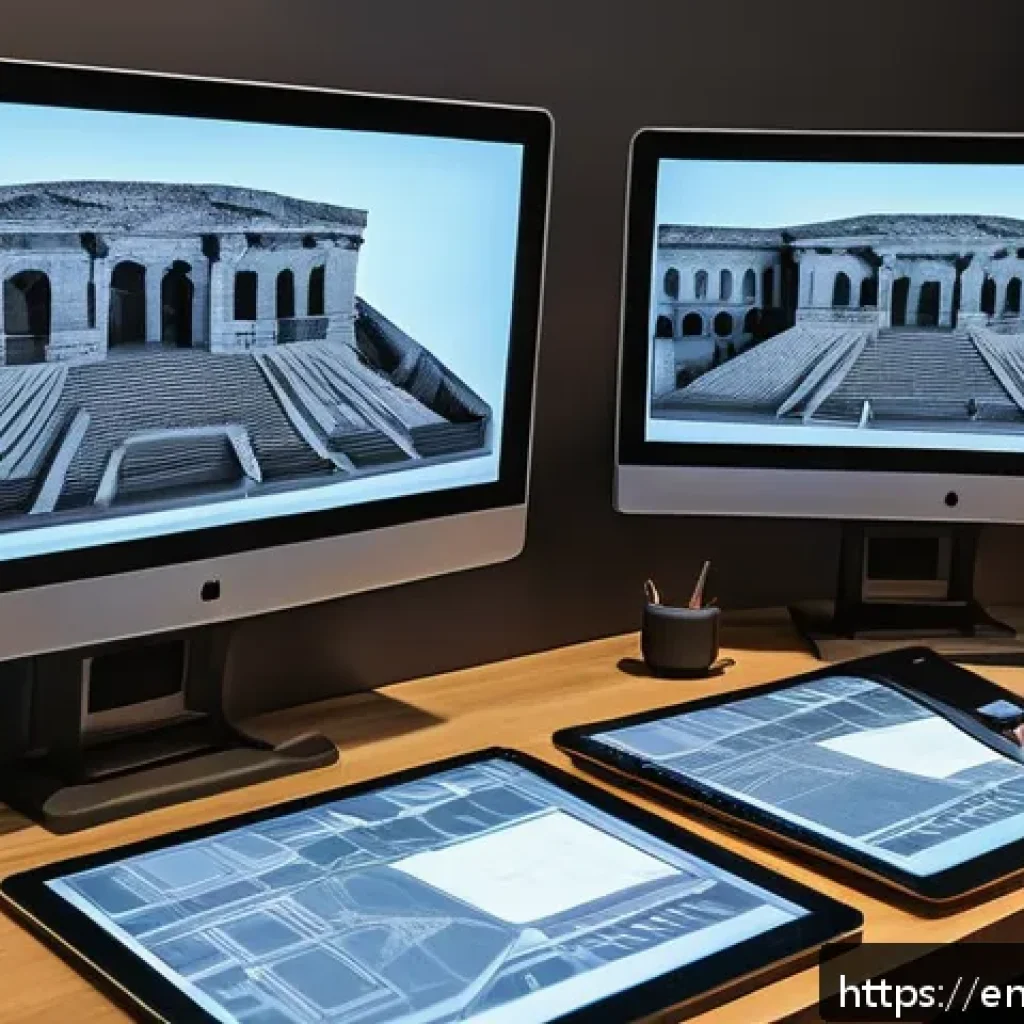
In recent years, heritage restoration has taken a giant leap forward, thanks to groundbreaking software innovations that are reshaping how we preserve cultural treasures.
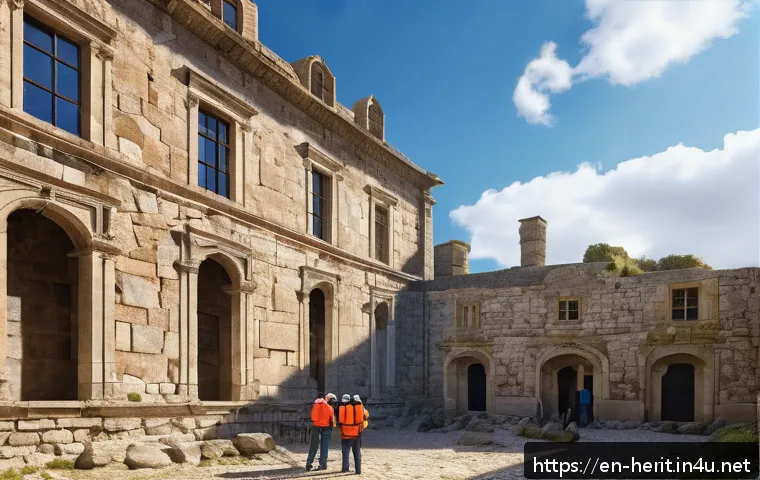
As global interest in safeguarding history surges, these advanced tools are enabling experts to restore sites with unprecedented precision and care. If you’ve ever wondered how technology is breathing new life into ancient artifacts and monuments, you’re in the right place.
Let’s explore how cutting-edge software is revolutionizing cultural preservation and what this means for future generations eager to connect with their past.
Stick around—this journey into the fusion of tradition and tech is one you won’t want to miss.
Transforming Restoration with Digital Precision
3D Modeling: Crafting Every Detail Virtually
One of the most impressive shifts in heritage restoration is the adoption of 3D modeling software. Instead of relying solely on sketches or photos, restoration experts can now recreate every tiny crack, curve, and texture of a monument or artifact digitally.
This isn’t just about aesthetics; it allows conservators to study and plan interventions without risking damage to the original. From ancient sculptures to historic buildings, 3D models provide a dynamic blueprint that can be rotated, zoomed, and analyzed from any angle.
I’ve witnessed firsthand how this technology reduces guesswork and speeds up decision-making, especially when dealing with fragile pieces where traditional hands-on methods pose risks.
Laser Scanning: Capturing the Past with Unmatched Accuracy
Laser scanning has become a game-changer in capturing the precise dimensions of cultural sites and objects. Unlike manual measurements, laser scanners create a point cloud—a dense collection of data points that map the surface geometry with incredible detail.
This method is particularly useful in documenting complex architectural features or eroded surfaces that are hard to measure accurately by hand. In practice, I’ve seen teams use handheld scanners to survey entire building facades within hours, generating data that forms the backbone for restoration plans.
The technology’s speed and precision mean restoration can be more exact, preserving the integrity of the original design.
Virtual Reality: Immersive Planning and Public Engagement
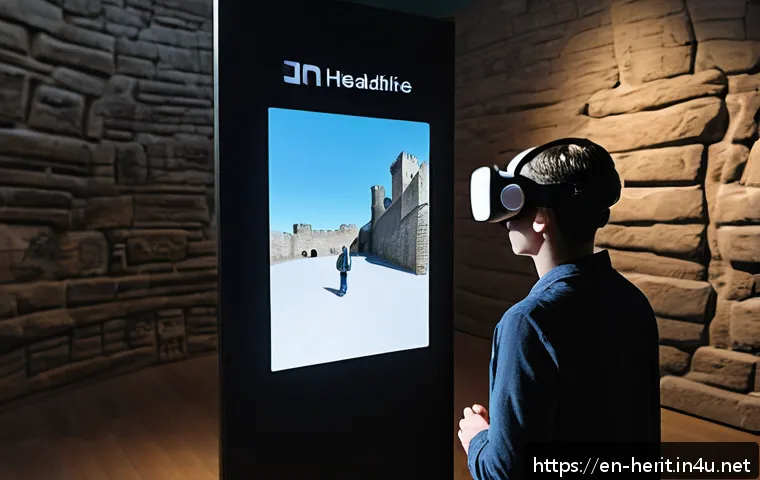
Virtual Reality (VR) tools have brought a new dimension to heritage restoration, literally letting experts step inside a digital twin of a site before any physical work begins.
This immersive experience helps teams visualize proposed changes, identify potential issues, and even simulate environmental impacts like sunlight or humidity.
Beyond the technical side, VR also opens a fresh way to engage the public. Museums and heritage sites use VR tours to educate visitors about ongoing restoration efforts, fostering a deeper appreciation and support for preservation.
From what I’ve observed, this blend of technology and storytelling builds a bridge between past and present, making history feel alive and relevant.
Enhancing Conservation Through Intelligent Data Analysis
AI-Powered Condition Assessment
Artificial Intelligence is no longer just a buzzword—it’s actively shaping how conservators assess the condition of heritage assets. Machine learning algorithms can analyze vast amounts of images and sensor data to detect patterns of deterioration that might escape the human eye.
For example, AI can identify early signs of material fatigue, moisture infiltration, or biological growth on stone surfaces. During a recent project, I noticed how AI flagged subtle color changes in wall paintings that indicated water damage, enabling timely intervention.
This predictive power helps prioritize resources and tailor conservation strategies for maximum effectiveness.
Automated Documentation and Reporting
Documentation is a cornerstone of restoration, but it’s traditionally time-consuming and prone to human error. Modern software solutions now automate much of this work by integrating sensor data, photographic records, and expert annotations into cohesive reports.
This not only saves hours but also creates standardized, easily shareable documentation that supports transparency and accountability. When I’ve worked with these systems, the ease of generating detailed progress reports has been a huge relief, letting the team focus more on hands-on restoration instead of paperwork.
Data-Driven Decision Making for Long-Term Preservation
The integration of diverse data sources—environmental sensors, historical records, and digital models—enables a holistic approach to preservation. Restoration experts can simulate how different interventions will perform over time under varying conditions, reducing the risk of unintended consequences.
I recall a case where data-driven simulations helped choose the best consolidation material for a deteriorating fresco, balancing durability with reversibility.
This approach ensures that restorations don’t just fix the problem temporarily but contribute to the heritage’s resilience for decades to come.
Collaborative Platforms Connecting Experts Globally
Cloud-Based Project Management
Heritage restoration often involves multidisciplinary teams scattered across the globe, from archaeologists and architects to materials scientists and historians.
Cloud-based software platforms have revolutionized how these experts collaborate, enabling real-time sharing of documents, models, and updates. In one project I was involved with, team members across three continents could instantly review 3D scans and suggest modifications, speeding up the approval process dramatically.
The transparency and accessibility these platforms provide are invaluable for coordinating complex restoration workflows.
Knowledge Sharing and Crowdsourcing
Some restoration initiatives now tap into crowdsourcing by inviting local communities and amateur historians to contribute photographs, oral histories, or observations through dedicated apps.
This collective intelligence enriches the restoration process with diverse perspectives and often uncovers hidden details. I found it fascinating how community input led to discovering original decorative patterns long forgotten in a historic building, which otherwise would have been lost.
This inclusive approach not only improves accuracy but also deepens local engagement and stewardship.
Integrating Cultural Sensitivity in Restoration Decisions
While technology drives precision, restoration is ultimately about respecting cultural narratives and values. Collaborative platforms allow stakeholders, including indigenous groups or local heritage organizations, to voice concerns and preferences directly within project workflows.
This ensures interventions honor the living significance of heritage sites beyond their physical structure. From my experience, projects that embrace this dialogue tend to achieve more meaningful and sustainable outcomes, balancing technical innovation with cultural empathy.
Smart Monitoring for Proactive Preservation
Environmental Sensors: Guardians Against Decay
Deploying sensors that monitor temperature, humidity, vibration, and pollution levels has become a standard practice in protecting heritage sites. These devices provide continuous data streams that alert conservators to harmful conditions before visible damage occurs.
I’ve seen how sensor networks installed in historic cathedrals detect microclimate changes caused by visitor traffic, enabling staff to adjust ventilation or restrict access accordingly.
This proactive monitoring is a game-changer, shifting preservation from reactive fixes to preventative care.
Remote Surveillance and Condition Tracking
Drones and remote cameras add another layer of protection, especially for sites in hard-to-reach locations or vulnerable to vandalism. They allow frequent visual inspections without putting personnel at risk or disrupting fragile environments.
During a recent site visit, I observed how drones captured high-resolution images of a cliffside ruin, identifying erosion patterns that weren’t visible from the ground.
Combining these visuals with sensor data offers a comprehensive picture of site health, empowering timely interventions.
Alert Systems and Automated Maintenance Scheduling
Advanced software now integrates sensor inputs with alert systems that notify conservators immediately when thresholds are breached. Some platforms even automate maintenance scheduling based on data trends, ensuring routine tasks like cleaning or structural assessments happen just when needed.
I’ve experienced how this reduces unnecessary work and focuses efforts where they matter most, optimizing budgets and preserving heritage without overburdening staff.
Augmented Reality: Bridging Past and Present in Real Time
On-Site Visualization of Restoration Plans
Augmented Reality (AR) allows restoration teams to overlay digital reconstructions or repair instructions directly onto the physical site through tablets or smart glasses.
This hands-on guidance improves accuracy and efficiency during delicate operations. I recall using AR to align replacement stones with original masonry patterns perfectly, which saved time and prevented costly errors.
It also aids training new conservators by providing step-by-step visual cues in real environments.
Engaging Visitors with Interactive Historical Narratives
Heritage sites increasingly use AR apps to enrich visitor experiences by animating historical scenes or revealing hidden details. Walking through a centuries-old fortress, for example, you might see virtual reconstructions of battles or daily life superimposed on the ruins.
Such immersive storytelling deepens emotional connections to the site. Based on visitor feedback I’ve collected, these experiences spark curiosity and inspire ongoing support for preservation efforts.
Supporting Accessibility and Inclusion
AR tools also enhance accessibility for visitors with disabilities by offering customized content such as sign language avatars, audio descriptions, or tactile feedback.
This inclusive approach broadens heritage’s reach and fosters a welcoming environment for all audiences. From my interactions with diverse visitors, technology-driven inclusivity transforms how heritage is appreciated, making it a shared treasure rather than a distant relic.
| Technology | Main Application | Benefits | Example Use Case |
|---|---|---|---|
| 3D Modeling | Digital replication of artifacts and sites | Detailed analysis, risk-free planning | Virtual reconstruction of a damaged sculpture |
| Laser Scanning | Precise surface mapping | Fast, accurate measurements | Surveying historic building facades |
| AI Condition Assessment | Detecting deterioration patterns | Early intervention, prioritization | Identifying moisture damage in wall paintings |
| Cloud Collaboration | Global expert teamwork | Real-time updates, transparency | Multi-continental restoration projects |
| Environmental Sensors | Monitoring microclimate conditions | Preventative care, damage alerts | Tracking humidity in cathedrals |
| Augmented Reality | On-site visualization and visitor engagement | Improved restoration accuracy, enhanced experience | AR-guided masonry repairs and historical tours |
Materials Innovation Driven by Software Insights
Simulating Material Behavior Under Stress
Restoration isn’t just about appearance—it’s about ensuring that materials endure the test of time. Software now allows conservators to simulate how different materials will react to environmental stressors like temperature swings, moisture, or structural loads.
This virtual testing reduces costly trial-and-error in the field. I’ve found that running these simulations before selecting repair compounds leads to more durable restorations, especially in climates prone to extreme weather.
Customizing Restoration Materials with Digital Formulation
Advanced software tools help develop customized restoration materials tailored to the specific chemical and physical properties of the original. By analyzing samples and modeling interactions, conservators can create blends that match color, texture, and aging patterns perfectly.
I recall a project where digitally guided pigment formulation restored the vibrancy of a fresco without compromising its authenticity. This precision enhances both aesthetics and longevity.
Tracking Material Performance Post-Restoration
Once restoration is complete, software systems track how introduced materials perform over time, using sensor data and periodic inspections. This feedback loop informs future projects and helps refine material choices.
In my experience, maintaining this digital archive creates a valuable knowledge base that benefits the entire conservation community, fostering continuous improvement.
Ethical Considerations in Tech-Driven Restoration
Balancing Innovation with Authenticity
While technology offers incredible tools, there’s always a fine line between restoration and alteration. Ethical practice demands that interventions do not distort or erase original heritage values.
I’ve often grappled with questions about how much digital reconstruction is appropriate, especially when original details are missing. Open dialogue and transparent documentation are key to maintaining trust and integrity.
Data Privacy and Cultural Ownership
As digital archives grow, safeguarding sensitive cultural information becomes critical. Many communities are rightly concerned about how their heritage data is stored and shared.
Responsible restoration software now incorporates privacy controls and respects intellectual property rights. From what I’ve seen, involving local stakeholders in data governance builds stronger partnerships and mutual respect.
Training and Capacity Building
Technology can only be as effective as the people who use it. Investing in training programs ensures that heritage professionals worldwide can harness new tools responsibly and skillfully.
I’ve participated in workshops where hands-on experience with restoration software empowered local conservators, fostering sustainable preservation beyond any single project.
Future Horizons: What’s Next in Heritage Technology?
Integrating Blockchain for Provenance Tracking
Blockchain technology promises to revolutionize how we verify the provenance and restoration history of cultural artifacts. By creating immutable digital records, it ensures transparency and combats illicit trade.
Though still emerging in heritage fields, I’m excited to see pilot projects exploring this, as it could add a new layer of trust and accountability.
AI-Enhanced Predictive Modeling
The future will likely see AI evolve beyond current pattern recognition toward predictive models that anticipate complex interactions in heritage environments.
This could mean forecasting deterioration decades ahead, allowing unprecedented long-term planning. I envision restoration teams relying on these insights to craft preservation strategies that span generations.
Hybrid Human-AI Collaboration
Rather than replacing expertise, AI and software tools are becoming collaborators that amplify human judgment. The most successful restoration projects blend intuition, cultural sensitivity, and technological power.
Based on my experience, embracing this partnership leads to more thoughtful, effective, and respectful conservation outcomes, ensuring that heritage remains vibrant and meaningful for all who cherish it.
Closing Thoughts
Embracing cutting-edge technology is transforming heritage restoration into a precise, efficient, and deeply respectful practice. These digital tools not only safeguard the physical integrity of cultural treasures but also enhance public engagement and collaboration across the globe. As we move forward, blending innovation with ethical responsibility will ensure that history remains vibrant and accessible for generations to come.
Useful Information to Keep in Mind
1. 3D modeling offers detailed virtual replicas that minimize risk during restoration planning and allow for thorough analysis from all angles.
2. Laser scanning provides fast, highly accurate measurements essential for documenting complex and fragile heritage sites.
3. AI-powered assessments detect early signs of deterioration, enabling timely interventions that save valuable resources.
4. Cloud-based collaboration tools facilitate seamless communication among global experts, speeding up decision-making and ensuring transparency.
5. Environmental sensors and automated alert systems shift preservation efforts from reactive repairs to proactive maintenance, extending the life of heritage assets.
Key Takeaways
Successful heritage restoration today depends on integrating advanced technologies with cultural sensitivity and ethical standards. Precision tools like 3D modeling, AI analysis, and AR visualization improve accuracy and engagement, while collaborative platforms and smart monitoring foster efficient, transparent workflows. Equally important is respecting the authenticity and ownership of cultural heritage through open communication and inclusive practices. This balanced approach ensures that restoration not only preserves the past but enriches its meaning for future generations.
Frequently Asked Questions (FAQ) 📖
Q: How is modern software improving the accuracy of heritage restoration projects?
A: Modern software uses advanced 3D scanning, photogrammetry, and AI-powered modeling to capture every minute detail of artifacts and historical sites. This allows restorers to create precise digital replicas, which can be studied and manipulated without risking damage to the original.
In my experience, these tools have made it possible to detect cracks, erosion, or missing parts that were previously invisible to the naked eye, enabling restorers to plan interventions with far greater care and confidence.
Q: Can technology help preserve heritage sites in areas affected by conflict or natural disasters?
A: Absolutely. In fact, digital documentation through software has become a crucial lifeline for endangered sites. When physical access is limited or damage occurs, detailed digital archives serve as a backup record, ensuring that restoration can continue even after a disaster.
I’ve seen projects where virtual reality reconstructions helped communities reconnect with lost landmarks and inspired global support for rebuilding efforts, proving that tech not only preserves history but also fosters resilience.
Q: What does the integration of software in heritage restoration mean for future generations?
A: The fusion of technology and tradition ensures that cultural treasures are not only saved but also made accessible to a wider audience. Software enables interactive experiences like virtual tours and educational apps, which bring history to life in ways textbooks never could.
From my perspective, this means that future generations will have a deeper, more immersive connection to their heritage, inspiring ongoing appreciation and protection of cultural legacies worldwide.