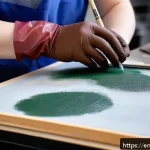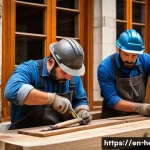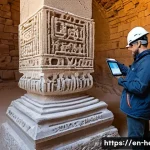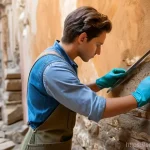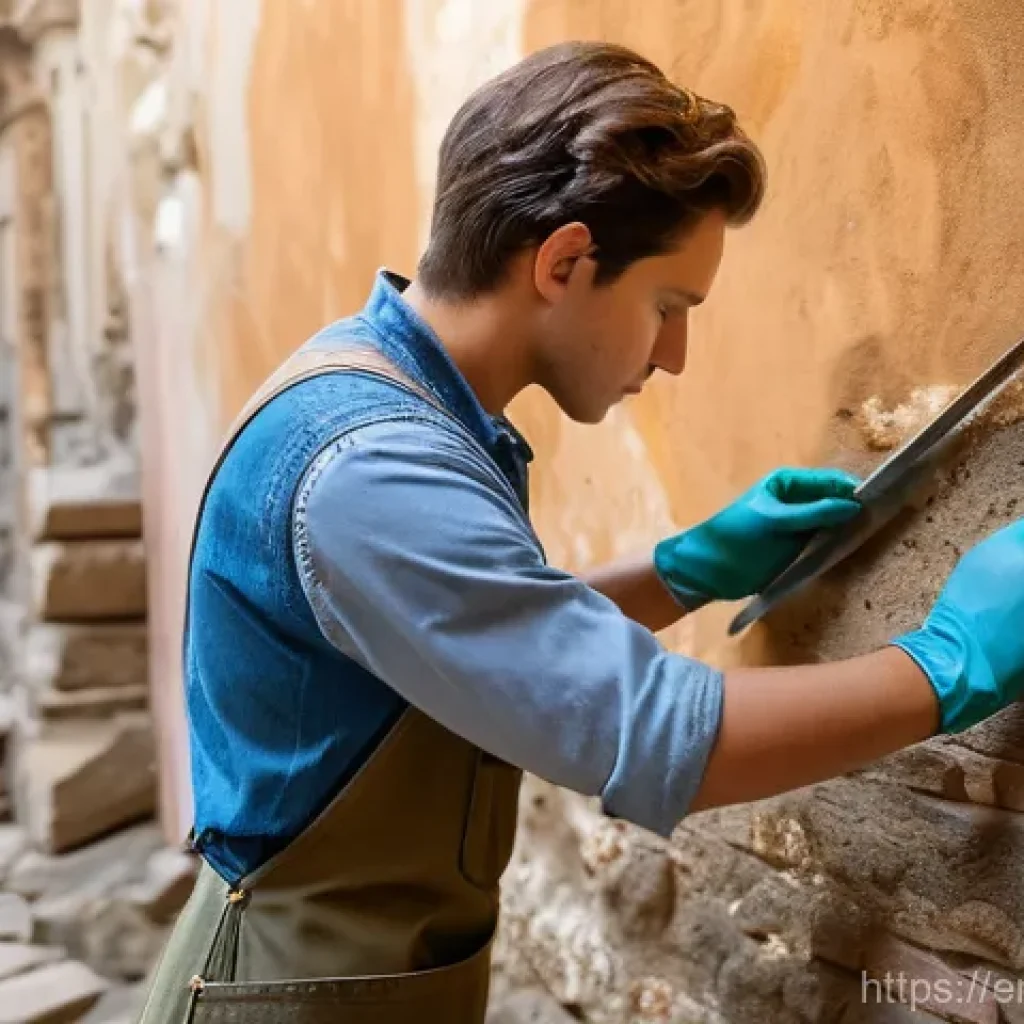
Have you ever wondered about the quiet heroes who meticulously safeguard our past? I recently embarked on an unforgettable journey, immersing myself in the fascinating world of cultural heritage repair.
It wasn’t just a field trip; it was a deeply personal encounter with history, where every chisel stroke and careful placement helped breathe new life into ancient structures.
This hands-on experience truly opened my eyes to the dedication, expertise, and sheer love required to preserve these irreplaceable treasures for future generations.
Intrigued by what it really takes to protect our shared heritage? I’ll spill all the details about my incredible field placement and everything I learned!
Stepping into History: My First Immersion in Cultural Heritage Restoration
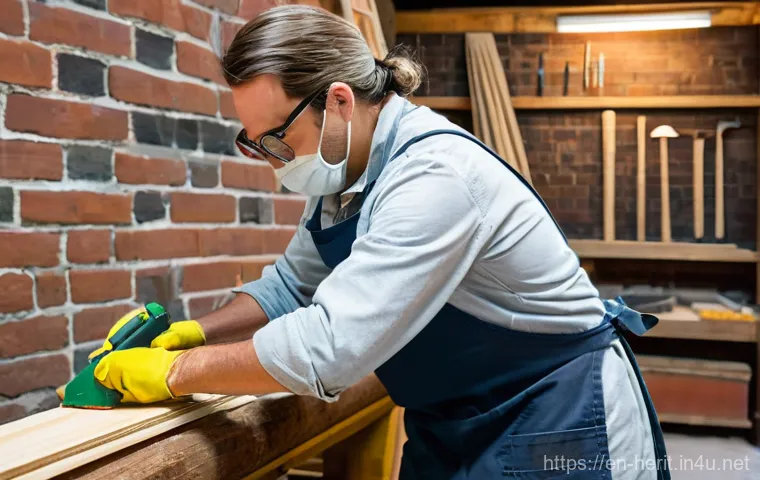
You know that feeling when you’re about to dive headfirst into something completely new, something you’ve only dreamed about? That’s exactly how I felt embarking on my cultural heritage repair field placement. It wasn’t just another internship; it was a deeply personal step into the past, a chance to get my hands dirty and truly understand what it takes to safeguard our collective history. From the moment I arrived, I could sense the immense weight and privilege of the work. This wasn’t about quick fixes or superficial changes; it was about meticulous care, deep respect, and a profound connection to the stories embedded in every crumbling stone and faded fresco. I remember the initial overwhelming feeling of responsibility – these aren’t just old buildings, they’re living testaments to human ingenuity and resilience. I got to see firsthand the sheer dedication required, the way every conservator approaches their task with a blend of scientific precision and artistic sensibility. It really is a delicate dance between preserving authenticity and ensuring these structures can stand strong for generations to come. The experience totally shifted my perspective; it made me realize that heritage repair isn’t just a job, it’s a calling, a continuous conversation with the past that shapes our future.
The Thrill of Discovery in Ancient Walls
Walking through the site on my very first day, I was immediately struck by the silence and the stories it held. Every crevice, every worn-down step seemed to whisper tales of bygone eras. It was like peeling back layers of an onion, uncovering forgotten details and hidden architectural marvels that often go unnoticed by the casual observer. We weren’t just looking at structures; we were deciphering the lives lived within them. I remember one particular moment, carefully scraping away centuries of grime from a small section of a wall, only to reveal a faint, vibrant pigment beneath. It was a tiny detail, easily overlooked, but for me, it felt like finding a secret message from the past. This hands-on discovery ignited a passion within me, showing me how even the smallest intervention can bring a piece of history back to life. It made me realize that conservation isn’t solely about grand monuments; it’s about the intricate tapestry of human experience that makes up our shared heritage.
Learning the Language of Materials
Before this placement, I honestly didn’t give much thought to the ‘language’ of building materials. But let me tell you, every stone, every piece of timber, every plaster fragment has its own story, its own vulnerabilities, and its own way of responding to treatment. I spent hours studying material science, learning about the chemical compositions, the effects of time and environment, and the appropriate techniques to repair or stabilize them. It felt a bit like being a detective, trying to understand what each material needed to thrive again. For instance, I learned that lime mortar, a staple in historic construction, behaves very differently from modern cement, requiring a completely different approach to repair. It’s all about respecting the original integrity and ensuring longevity. This deep dive into materials wasn’t just academic; it was incredibly practical, showing me why certain techniques are chosen over others and how a small mistake could have lasting repercussions. It truly impressed upon me the level of expertise and nuanced understanding required in this field.
The Craft of Conservation: Bridging Ancient Techniques with Modern Insight
When I first thought about cultural heritage repair, my mind immediately conjured images of skilled artisans meticulously working with age-old tools, and while that’s certainly a huge part of it, I quickly learned there’s so much more. It’s truly a blend of tradition and innovation, where the wisdom of the past meets the precision of the present. I saw conservators using techniques that have been passed down for generations, like traditional masonry or intricate timber repair. Yet, right alongside these time-honored methods, they were also embracing cutting-edge technology. Imagine using a tiny chisel one moment and then analyzing a structure with laser scanning the next! It’s this incredible synergy that makes the work so effective and, frankly, so exciting. The conservators I worked with didn’t just understand how to fix things; they understood the philosophy behind *why* we fix them in a particular way, always prioritizing the authenticity and integrity of the original structure. It’s a constant learning process, always seeking the best balance between preserving history and ensuring the building’s future resilience.
Mastering the Hand Tools of the Trade
There’s something incredibly satisfying about working with your hands, and in heritage repair, it’s an absolute necessity. I spent a good portion of my placement learning to use traditional hand tools, many of which felt like extensions of the conservators themselves. From delicate scalpels for cleaning intricate details to specialized trowels for applying lime mortar, each tool required a unique touch and immense patience. I remember struggling with a specific type of pointing, trying to achieve that perfect, subtle finish that would seamlessly blend with the existing historic fabric. My hands were often sore, and my concentration was always pushed to its limits, but the sense of accomplishment when a section looked just right was unparalleled. It taught me that sometimes, the slowest, most deliberate approach is the most effective. This isn’t a field for the impatient; it’s a field for those who truly appreciate the craft and the beauty of doing things properly, step by painstaking step.
Leveraging Technology for Preservation
While the allure of traditional craftsmanship is undeniable, I was absolutely fascinated by how modern technology is revolutionizing cultural heritage repair. It’s not about replacing the human element, but rather enhancing our ability to understand, document, and preserve. I saw everything from 3D laser scanners creating incredibly detailed digital models of structures to drones being used for aerial inspections of hard-to-reach areas. Imagine being able to virtually walk through a decaying building and identify every single structural weakness without even touching it! This level of non-destructive testing and detailed documentation is a game-changer. It helps teams plan restorations with unprecedented accuracy, ensuring that interventions are minimal and respectful of the original design. It really brought home the idea that conservation isn’t stuck in the past; it’s actively embracing the future to better protect our history.
The Unseen Heroes: Dedication and Ethical Dilemmas in Conservation
Being on site, I quickly realized that the people working in cultural heritage repair are true unsung heroes. Their dedication goes beyond a typical job; it’s a profound commitment to history and future generations. I saw conservators working in all sorts of challenging conditions, sometimes in sweltering heat or bone-chilling cold, always with an unwavering focus. What really struck me, though, were the ethical considerations that come with every decision. It’s not just about fixing something; it’s about making choices that respect the original intent, the historical layering, and the future interpretation of a site. Should we restore something to its original glory, even if it means erasing later additions that tell their own story? Or should we stabilize it as it is, accepting its decay as part of its narrative? These aren’t easy questions, and I witnessed passionate debates about them. It showed me that this field requires not just technical skill, but also a deep philosophical understanding and a strong ethical compass. Every single decision made on a heritage site carries significant weight, impacting how we, and those who come after us, will experience and interpret our shared past.
Balancing Preservation with Modern Needs
One of the trickiest aspects I encountered was the constant balancing act between preserving the historical significance of a structure and making it functional for contemporary use. It’s a challenge I hadn’t fully appreciated until I was in the thick of it. How do you integrate modern plumbing, electrical systems, or accessibility features into a centuries-old building without compromising its integrity? I saw some incredibly creative solutions, like subtly concealing conduits within existing architectural elements or using reversible interventions that could be removed in the future. It requires a lot of innovative thinking and a willingness to push boundaries while always adhering to strict conservation principles. This aspect of the work truly highlights the dynamic nature of heritage repair; it’s not about freezing a building in time, but about allowing it to evolve respectfully so it can continue to serve and inspire.
The Patience of a Conservator
If there’s one quality that every conservator I met possessed in spades, it’s patience. And I mean *serious* patience. Some tasks, like painstakingly cleaning delicate frescoes or meticulously piecing together fragments of a shattered artifact, could take weeks, even months. There’s no rushing the process; every step is deliberate, every movement precise. I remember watching a conservator repair a tiny crack in an antique wooden beam, and it took them an entire afternoon just to prepare the adhesive and apply it perfectly. It felt like watching a surgeon at work, but with the added layer of historical context and irreplaceable value. This kind of work truly teaches you to slow down, to appreciate the minute details, and to understand that some things simply cannot be hurried. It’s a humbling experience that instills a profound respect for the objects and structures we’re working to preserve.
Beyond Bricks and Mortar: The Broader Impact of Heritage Preservation
Before my field placement, I mostly thought of cultural heritage repair in terms of physical structures and objects. But my experience completely broadened my perspective. I learned that preserving these sites goes far beyond just bricks and mortar; it’s about safeguarding stories, fostering identity, and creating a tangible link between generations. These historic places are living textbooks, offering invaluable lessons about our past and inspiring a sense of pride and connection within communities. I saw how a carefully restored historical building could become a vibrant community hub, breathing new life into a neighborhood and attracting visitors who were eager to learn its story. It’s a powerful reminder that our shared heritage isn’t just something to look at in a museum; it’s an active, dynamic force that shapes who we are and where we’re going. The economic benefits are also undeniable, as preservation efforts can revitalize areas, create jobs, and boost tourism.
Revitalizing Communities Through History
One of the most inspiring aspects of my placement was seeing how heritage preservation could genuinely transform communities. It’s not just about aesthetics; it’s about igniting a sense of belonging and economic vitality. I saw examples of old industrial buildings being repurposed into modern art galleries or co-working spaces, drawing in new businesses and residents. These projects not only saved historically significant structures but also created new opportunities and a renewed sense of pride among locals. It truly felt like these buildings were being given a second life, connecting their rich past with a dynamic future. The impact on local businesses, from cafes to craft shops, was also evident, demonstrating how heritage tourism can be a powerful economic driver. It was a tangible reminder that preservation isn’t just a cost; it’s an investment in the social and economic fabric of a place.
The Educational Power of the Past
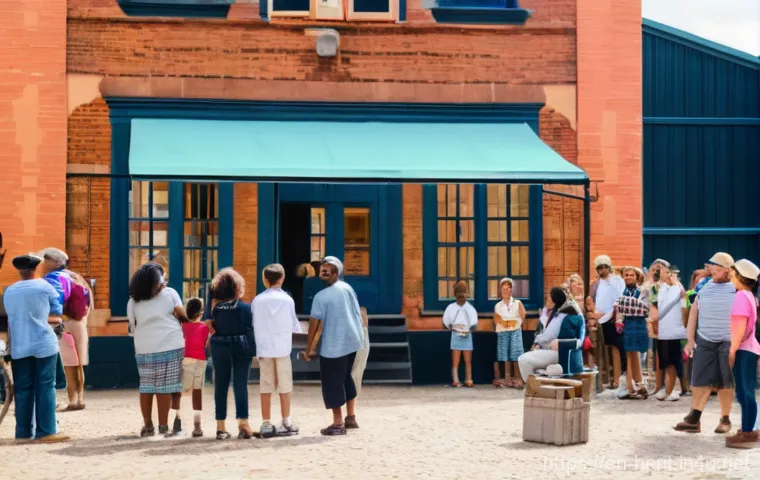
During my time, I also got to witness firsthand the incredible educational potential of historic sites. They’re not just static relics; they’re interactive classrooms that bring history to life in a way textbooks simply can’t. I observed school groups wide-eyed with wonder as they explored ancient ruins, and listened to passionate guides sharing captivating stories about the people who once walked those very halls. There’s something incredibly powerful about standing in a place where momentous events occurred, or where everyday lives unfolded centuries ago. It sparks curiosity, encourages critical thinking, and fosters a deeper appreciation for our shared human journey. I realized that every repair, every conservation effort, is also an act of preserving a learning opportunity for countless future generations, ensuring that these invaluable lessons from the past remain accessible and inspiring.
Navigating the Financial Landscape of Preservation
Let’s be real: cultural heritage repair, while incredibly rewarding, isn’t cheap. It requires significant resources, and figuring out how to fund these projects is often as complex as the restoration work itself. I got a peek behind the curtain at the financial side of things, and it was a real eye-opener. It’s not just about securing grants (though those are crucial!); it’s about weaving together a diverse tapestry of funding sources, from government initiatives to private donations and even innovative commercial ventures. I learned that successful projects often rely on a creative mix of public and private investment, sometimes even incorporating social finance approaches to create sustainable models. It’s a constant challenge, but the dedication to finding solutions to keep these projects alive is truly inspiring. The long-term benefits, both cultural and economic, make the investment worthwhile, but it requires strategic thinking and a lot of persistent effort to make it all happen.
The Role of Grants and Public Funding
A significant portion of heritage repair projects, especially those involving public sites, rely heavily on grants and public funding. I saw the meticulous process involved in applying for these funds, often requiring detailed proposals, extensive historical research, and clear projections of impact. It’s a competitive landscape, and securing these funds is a testament to the compelling value of the proposed conservation work. Government agencies, both national and local, play a crucial role in recognizing and supporting these efforts, understanding that preserving our shared past is a societal responsibility. However, these funds often come with strict guidelines and reporting requirements, adding another layer of complexity to project management. It reinforced for me that the work of conservation extends far beyond the physical repair; it involves a deep understanding of policy and public administration.
Innovative Approaches to Sustainability
What really intrigued me were the innovative ways projects are looking to achieve financial sustainability beyond traditional grants. We’re talking about thinking outside the box! I heard about sites exploring things like heritage tourism initiatives, where visitors contribute directly to upkeep through tickets and experiences. Some projects even leverage commercial revenue generated on-site or through related ventures to reinvest in conservation. There’s also a growing interest in public-private partnerships and impact investment funds, which combine financial returns with social and environmental benefits. It’s about transforming heritage sites from being perceived solely as “costs” into valuable assets that can generate their own support. This shift in thinking is crucial for the long-term viability of our cultural treasures.
| Aspect of Heritage Conservation | Traditional Approaches | Modern Innovations & Considerations |
|---|---|---|
| Documentation | Hand-drawn plans, written records, historical photographs | 3D laser scanning, photogrammetry, BIM (Building Information Modeling) for digital models |
| Material Analysis | Visual inspection, basic chemical tests | Non-destructive testing (NDT), advanced chemical analysis, microscopy |
| Restoration Techniques | Skilled manual craftsmanship, traditional tools | Digitally assisted carving, specialized chemical treatments, use of durable mimic materials |
| Structural Assessment | Physical inspection, limited probes | Structural Health Monitoring (SHM) with sensors, drone inspections |
| Public Engagement | Limited access, static displays | Virtual Reality (VR) tours, Augmented Reality (AR) overlays, interactive exhibits |
| Funding | Grants, government budgets, private donations | Public-private partnerships, impact investment, heritage tourism revenue, adaptive reuse projects |
The Future of Our Past: Sustaining Heritage for Tomorrow
My field placement didn’t just teach me about the past; it made me think deeply about the future of our cultural heritage. It’s clear that preserving these irreplaceable treasures isn’t a one-time effort; it’s an ongoing, dynamic process that requires continuous adaptation and foresight. We’re not just conserving buildings; we’re investing in the stories, identities, and lessons they hold for future generations. The challenges are real—from climate change impacts to the constant need for funding and skilled professionals—but the passion and ingenuity I witnessed give me immense hope. It’s about building a sustainable framework that ensures these historic sites can continue to enrich lives and educate minds for centuries to come. I truly believe that by fostering a deeper appreciation for our heritage and embracing innovative solutions, we can create a future where our past remains a vibrant, accessible, and integral part of who we are.
Inspiring the Next Generation of Conservators
One of the most rewarding aspects of my placement was realizing the critical need to inspire and train the next generation of heritage conservators. The skills required are highly specialized, a unique blend of scientific knowledge, artistic sensibility, and meticulous craftsmanship. It’s not something you learn overnight; it takes dedication, mentorship, and a genuine passion for history. I saw first-hand how experienced conservators patiently guided trainees, sharing their wisdom and passing down invaluable techniques. It made me incredibly enthusiastic about encouraging more young people to consider this path. Imagine a world where our most cherished historical sites are cared for by an ever-growing community of passionate and skilled professionals! It’s essential that we invest in educational programs and hands-on opportunities to ensure these vital skills aren’t lost to time.
Building Resilience Against New Challenges
As much as we learn from the past, heritage conservation is increasingly about facing future challenges, especially those posed by a changing world. Climate change, for example, presents new threats to historic structures, from increased flooding to extreme weather events. I learned about proactive measures being taken, like integrating sustainable practices into restoration projects to make buildings more resilient. It’s about creating adaptable strategies that allow our heritage to withstand the tests of time and environment. This forward-thinking approach is crucial. It’s not enough to simply react to damage; we need to anticipate potential threats and equip our historic sites with the ability to endure. It’s a continuous evolution of knowledge and practice, driven by a deep commitment to ensuring our heritage stands strong for generations to come.
Wrapping Up My Journey
Stepping away from my field placement in cultural heritage repair, I’m left with a heart full of gratitude and a mind buzzing with new insights. This wasn’t just an educational experience; it was a profound personal journey that reshaped my understanding of history, craftsmanship, and community. I came in with expectations, but what I gained far exceeded them – a deep appreciation for the silent, tireless work of those who dedicate their lives to safeguarding our past. Seeing firsthand the meticulous care, the scientific rigor, and the artistic touch involved in every single project has truly been inspiring. It’s a field that demands patience, passion, and a never-ending quest for knowledge, and I feel incredibly fortunate to have had this chance to connect with such a vital and inspiring profession. My perspective has completely shifted, and I now see every old building, every ancient artifact, not just as an object, but as a living testament to human endeavor, brimming with stories waiting to be preserved and shared.
Useful Insights for Your Preservation Journey
1. Embrace the Multidisciplinary Approach: Don’t think of heritage conservation as a singular skill. It’s a beautiful fusion of science, history, art, and even a touch of detective work. You’ll delve into chemistry to understand material decay, historical research to inform restoration choices, and artistic sensibility to ensure authentic repairs. The most effective conservators are those who can seamlessly blend these diverse fields, constantly learning and adapting. It’s truly a dynamic career path that keeps you on your toes, always pushing you to expand your intellectual horizons and connect seemingly disparate areas of knowledge.
2. Hands-On Experience is Gold: While theoretical knowledge is crucial, nothing compares to getting your hands dirty. Seek out internships, volunteer opportunities, and apprenticeships. The nuances of handling delicate artifacts, mixing traditional mortars, or cleaning intricate surfaces can only be truly mastered through practical application and direct mentorship. I personally found that the lessons learned from a seasoned conservator, observing their touch and understanding their rationale in real-time, were invaluable – far more impactful than any textbook alone could be. It’s where the theory truly comes alive.
3. Technology is Your Ally, Not Your Replacement: Modern tools like 3D scanning, drones, and advanced material analysis aren’t there to diminish the craft; they’re there to enhance it. They provide unprecedented levels of documentation, understanding, and precision, allowing conservators to make more informed decisions and execute repairs with greater accuracy and less invasiveness. Learn to leverage these technologies, as they are becoming increasingly integral to the field, streamlining processes and providing deeper insights into the structures we aim to preserve. It’s about combining the best of both worlds – age-old techniques with cutting-edge innovation.
4. Develop a Strong Ethical Compass: Every decision in heritage conservation carries significant ethical weight. You’ll constantly grapple with questions of authenticity, integrity, and future interpretation. Should you restore a piece to its ‘original’ state, or should you preserve the layers of history that have accumulated over time? Understanding and adhering to international conservation charters and developing a robust personal ethical framework is paramount. These aren’t just technical choices; they’re philosophical ones that impact how generations to come will perceive and learn from our shared past. Always ask yourself what story you are trying to tell and protect.
5. Connect with the Community: Heritage sites aren’t just objects; they are vital parts of living communities. Successful preservation often involves engaging local residents, understanding their connection to the site, and demonstrating the broader social and economic benefits of conservation. Building strong relationships with stakeholders, from local councils to community groups and even tourists, can provide invaluable support, funding, and a renewed sense of purpose for preservation projects. It’s about more than just buildings; it’s about people and the stories that bind them to their history and their future. This community engagement often fuels the passion for long-term sustainability.
Key Takeaways from the Field
My time in cultural heritage repair unveiled a profession that is as demanding as it is deeply rewarding, a testament to humanity’s innate desire to connect with its past. The blend of ancient craftsmanship with modern scientific rigor is simply breathtaking, creating a dynamic environment where tradition and innovation dance hand-in-hand. What truly resonated with me was the sheer dedication of the conservators—their unwavering patience, meticulous attention to detail, and profound ethical commitment to safeguarding our collective memory. This isn’t a quick-fix industry; it’s a field built on long-term vision, strategic planning, and a deep understanding of the stories embedded in every stone and artifact. Ultimately, the work extends far beyond mere physical repair; it’s about revitalizing communities, inspiring future generations, and ensuring that our shared heritage continues to educate and enrich lives, proving that investing in our past is truly an investment in our future. It’s a continuous, collaborative effort, driven by passion and an enduring belief in the power of history.
Frequently Asked Questions (FAQ) 📖
Q: What kind of specific skills or knowledge did you find most crucial during your hands-on cultural heritage repair experience?
A: Oh, this is such a fantastic question! You know, walking into my field placement, I thought it would be all about historical facts and maybe a bit of careful cleaning.
But wow, was I in for an awakening! While a strong understanding of history and architectural styles is definitely a huge bonus, what truly stood out as absolutely crucial were the hands-on practical skills.
I’m talking about incredibly precise manual dexterity – imagine tiny chisels and brushes, often working on incredibly delicate materials that could literally crumble if you breathed on them wrong.
Patience, my friends, is not just a virtue here; it’s a superpower! I quickly learned that rushing a single step could undo hours of meticulous work. Beyond that, a keen eye for detail, almost like an art restorer, was essential.
You’re not just repairing; you’re interpreting and trying to maintain the original artist’s or builder’s intent while ensuring the structure’s integrity.
And honestly, problem-solving skills are key because every single piece, every cracked stone or faded fresco, presents its own unique puzzle. It really makes you appreciate the blend of art, science, and history that goes into this work.
Q: Beyond the technical aspects, what was the most personally impactful lesson you took away from dedicating your time to preserving these historical treasures?
A: That’s a deep one, and it truly gets to the heart of why this experience resonated with me so much. While learning the techniques was fascinating, the most impactful lesson, for me, was a profound sense of connection to the past and a renewed appreciation for our shared human story.
You see, when you’re working on something that’s hundreds, sometimes thousands, of years old, you’re not just fixing a material object. You’re touching something that countless generations before you have also touched, seen, or created.
It’s like having a silent conversation with history itself. I vividly remember feeling a humbling sense of continuity – that we are merely temporary custodians of these magnificent creations.
It really hammered home the idea that preserving cultural heritage isn’t just about saving old buildings or artifacts; it’s about safeguarding our collective memory, our identity, and the lessons and beauty that past civilizations offer us.
That feeling of being a small but significant part of something so much bigger than myself? Absolutely priceless.
Q: For someone who’s just as captivated by the idea of safeguarding history as I now am, what would be your absolute best advice for getting started or contributing to cultural heritage preservation?
A: I love that you’re feeling inspired – that’s exactly the kind of energy we need in this field! My absolute best advice for anyone looking to get involved, whether you’re a student, a professional, or just someone with a burning passion, would be to start small and be curious.
You don’t need a degree in archaeology or conservation right off the bat. Many local historical societies, museums, and heritage sites are often run by volunteers and are always looking for help.
Contact them! Offer your time – even just an hour or two a week can make a huge difference. You might be surprised at the variety of tasks available, from organizing archives and helping with guided tours to hands-on restoration aid under supervision.
Education is also key; look for online courses, workshops, or even free resources from organizations like UNESCO or the National Trust. And honestly, just visiting and supporting your local heritage sites, talking to the people who work there, and sharing your passion with others is a fantastic start.
Who knows, you might discover a hidden talent or a new career path, just like I did!