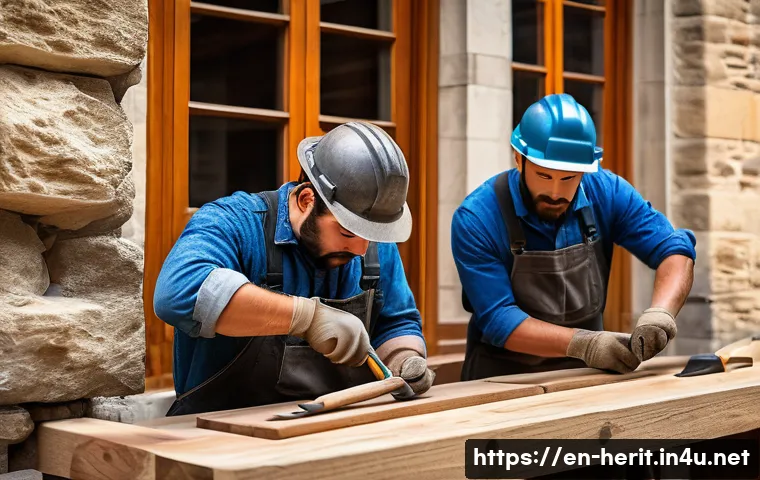
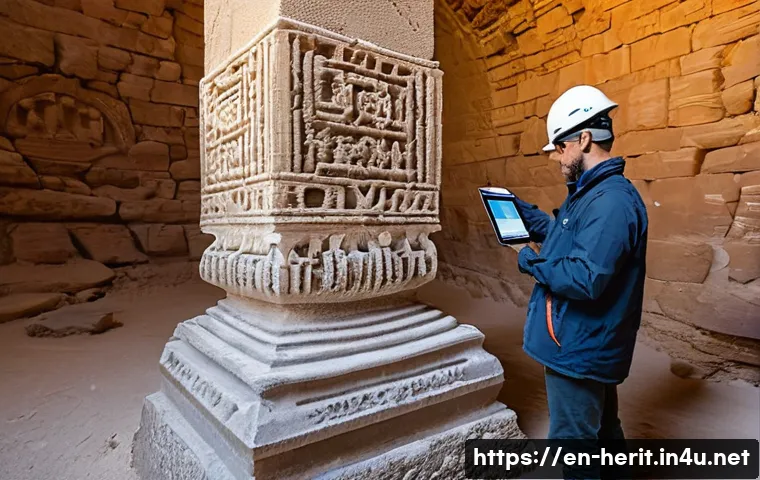
A strong heritage restoration interview focuses on three things: a portfolio that shows your decisions, clear safety awareness, and evidence that you can follow a conservation plan.
Hiring managers want to see that you can protect original material rather than simply make old work look new. Start by researching the employer’s project type, then prepare examples involving materials, documentation, and teamwork.
If you are choosing a training course or portfolio service, prioritize supervised practice and relevant feedback over impressive marketing claims. Safety training and professional workwear can support an application, but the exact credentials depend on the role, site, and local requirements.
A careful, honest presentation is often more persuasive than a portfolio full of polished final photos.
At a Glance
- Show your thinking: Bring portfolio examples that explain condition, materials, repair choices, and documentation.
- Lead with safety: Be ready to discuss protective equipment, dust control, hazardous-material awareness, and when to pause work.
- Research the employer: Tailor your answers to the contractor, museum, public agency, or specialist conservation firm.
| Route | Typical Commitment | Likely Cost Category | Best Fit | Interview Value |
|---|---|---|---|---|
| Hands-on site experience | Ongoing project-based work | Varies by arrangement | Candidates who can learn under supervision | Strong when you can explain real tasks, safety routines, and documentation |
| Short safety course | Short-term training | Usually lower than long formal programs | Applicants needing site-readiness knowledge | Useful when relevant to the employer’s work environment |
| Formal trade or conservation training | Longer structured study | Often a larger investment | Career changers building foundational skills | Helpful when it includes supervised practice and material-based work |
| Portfolio coaching or review | Focused preparation period | Varies by provider | Candidates with work samples but unclear presentation | Useful if it improves explanations of process, restraint, and your individual contribution |
What Hiring Managers Need to See in a Heritage Restoration Interview
The best interview preparation is not memorizing technical language. It is showing that you can work carefully, communicate clearly, and respect the difference between historic fabric and new material. Heritage restoration roles may involve historic buildings, architectural details, interiors, archaeological materials, or traditional craft elements. The exact work changes, but employers commonly look for technical competence, material awareness, documentation habits, safety practices, and the ability to follow conservation plans.
Give a Clear 30-Second Introduction
Prepare a short introduction that connects your trade skills to a conservation mindset. Mention the materials or tasks you have handled, then explain how you approach careful repair work. Keep it honest if your experience is limited.
You might say: “My background is in practical repair work, and I am building experience in heritage restoration. I pay close attention to material condition, follow specifications, document what I do, and ask for direction when the original fabric or safe method is uncertain.”
This works better than claiming broad expertise. A hiring manager needs to know where your skills are solid and where you will work under supervision.
Show That You Understand Repair, Replacement, and Minimum Intervention
In heritage work, a finished surface is not the only measure of success. Explain that you understand the need to distinguish between stabilizing original material, repairing damage, and replacing elements that cannot be salvaged. Avoid suggesting that replacement is automatically the fastest or best solution.
If asked about damaged timber, plaster, masonry, finishes, or decorative elements, describe a measured sequence: assess visible condition, document it, check the conservation specification, and raise uncertainty with the supervisor or conservator. Your answer should show restraint, not guesswork.
Use the Top-Three Interview Checklist: Research, Portfolio, Safety
Before the interview, identify the employer’s likely project setting and prepare relevant questions. A preservation contractor may value practical site readiness and scheduling communication. A museum may focus more on controlled handling and records. A public-sector project may require close adherence to written specifications and accountability.
Bring an organized portfolio, review your safety examples, and prepare one or two questions about supervision and project procedures. These basics signal that you are ready to join a professional restoration team.
Compare Training, Certifications, and Portfolio Support Before You Apply
Training can strengthen an application, but more courses do not automatically make a candidate stronger. Choose education and support based on the gaps in your current experience. The useful question is: Will this investment help me perform safely, show practical judgment, or present my work more clearly?
When Hands-On Site Experience Is Stronger Than Another Course
Supervised site experience can be especially valuable when it gives you exposure to real project constraints: work areas, documentation, protective equipment, communication with a contractor, and conservation specifications. It may provide better interview examples than a course with little practical work.
That does not mean formal training has no value. A structured skilled-trades training program can be a sensible option for a career changer who needs basic material knowledge and guided practice. Look closely at what the program actually includes rather than relying on the course title alone.
How to Compare Training Providers by Supervised Practice, Equipment Access, and Total Cost
When comparing conservation courses, trade training, or portfolio coaching, use practical criteria:
- Supervised practice: Is there guided work, feedback, and correction of technique?
- Material relevance: Does the content relate to the materials or restoration tasks you want to pursue?
- Equipment access: Can you learn appropriate tool handling and safe work routines?
- Portfolio feedback: Will someone help you explain decisions, not just select attractive images?
- Total course cost: Check all stated fees, materials, tools, travel, and any required protective equipment before enrolling.
Compare training providers by supervised practice, safety coverage, portfolio feedback, and total course cost. Review the official course information and ask what practical evidence you will be able to show an employer afterward.
Which Safety Credentials May Strengthen an Application Without Overspending
Safety credentials can help when they match the work environment. Historic building work may involve dust control, protective equipment, lead or asbestos awareness, and work-at-height rules where applicable. However, required credentials vary by employer, project type, role, and jurisdiction.
Do not assume a general certificate replaces site-specific training or legal requirements. Ask the employer which safety credentials are required, preferred, or provided after hiring. This can prevent spending on training that does not support your target role.
Build a Portfolio That Explains Your Restoration Decisions
A restoration portfolio should do more than show a clean final result. It should help an interviewer understand how you observed the condition, selected a method, followed project constraints, and documented the outcome. A smaller portfolio with clear captions is usually easier to discuss than a large collection of unexplained images.
Include Condition Photos, Work Stages, Materials Used, and Final Documentation
For each example, include a brief sequence where possible:
- The initial condition and visible problem
- Your assessment or the project instruction you followed
- Materials, tools, or methods used within your role
- Work-stage photos that show care and process
- Final documentation and any limits or follow-up needs
Captions should explain the decision behind the image. For example, note that a repair followed an approved specification, that original material was retained where possible, or that work was paused for direction. This demonstrates conservation restraint.
Explain Your Own Contribution on a Team Project
Many heritage projects involve contractors, supervisors, specialists, and other trades. Clearly identify your own tasks. State whether you prepared an area, documented conditions, carried out a specified repair, assisted with material handling, or supported site safety procedures.
Do not take credit for decisions made by a conservator, project manager, or lead craftsperson. Honest role descriptions make you more credible and help an employer judge the level of supervision you may need.
Avoid Common Portfolio Mistakes
Avoid unsupported claims such as “fully restored” when your involvement was limited or the project had wider unresolved issues. Do not remove all context through heavy image editing. Also avoid images with no date, location context, task description, or explanation of material choices.
If you have limited professional experience, include training exercises, volunteer work, or supervised practical projects only when you label them accurately. The goal is not to appear more experienced than you are. The goal is to show that you work carefully and learn responsibly.
Prepare Strong Answers for Technical, Safety, and Problem-Solving Questions
Technical interview questions often test judgment more than recall. Employers want to know whether you recognize uncertainty, protect the work area, and communicate before a small issue becomes permanent damage.
How to Answer Questions About Fragile, Unknown, or Damaged Materials
Use a simple structure: observe, document, protect, check the plan, and escalate when needed. Explain that you would avoid assuming the material or treatment method, especially when the condition is unclear. You would record what you found, prevent unnecessary disturbance, review the relevant direction, and seek advice from the appropriate supervisor or conservator.
This answer demonstrates care without pretending to make decisions beyond your role.
Discuss Dust Control, Protective Equipment, Hazardous-Material Escalation, and Safe Work Areas
Be ready to explain that safe restoration work includes following site procedures, using required protective equipment, controlling dust, and keeping the work area orderly. If you suspect lead, asbestos, or another hazardous material, do not present yourself as someone who will simply continue working. Explain that you would follow the site escalation process and wait for appropriate direction.
For work at height, mention that you would follow applicable rules and site procedures rather than improvising. This is an important distinction in any restoration contractor interview.
Explain When You Would Pause Work and Seek Direction
Good candidates know when to stop. Examples include discovering unexpected damage, finding a material that does not match the specification, noticing a safety concern, or receiving instructions that appear unclear or inconsistent with the conservation plan.
A strong response is direct: “I would secure the area if needed, document what I observed, and raise it with my supervisor or the designated conservation lead before continuing.”
Tailor Your Approach for Contractors, Museums, and Public-Sector Projects
Different employers may assess the same core qualities in different ways. Adjust your preparation without changing your standards around safety, documentation, and responsible treatment of original material.
Commercial Restoration Contractors: Scheduling, Communication, and Site Readiness
For a commercial restoration contractor, discuss practical reliability. Show that you understand the value of arriving prepared, following the work schedule, communicating changes early, and maintaining a safe, organized area. You can also ask how the company manages supervision, specialist input, tools, and protective equipment on historic sites.
Museum or Collections Roles: Handling, Documentation, and Controlled Environments
Museum and collections roles may place greater emphasis on careful handling, detailed records, and controlled environments. Your portfolio should highlight condition documentation, restraint, and your ability to follow handling procedures. Avoid treating an object or interior feature as though it were a standard renovation task.
Public or Grant-Funded Projects: Specifications, Records, and Accountability
Public or grant-funded work may involve formal specifications, records, and clear accountability. Explain that you can follow written direction, document completed work, and report unexpected conditions. Ask how project records are maintained and who approves changes when site conditions differ from the original scope.
Selection Criteria and Comparison Summary
Before accepting a role, compare supervision, safety systems, training support, project variety, tool access, and progression opportunities. A role may be a better long-term fit when experienced staff provide direction, safety procedures are visible, and questions about material condition are treated seriously. Ask whether tools and protective equipment are provided, whether travel or overtime may be expected, and how probation expectations are communicated. Also ask who makes conservation decisions when conditions change on site. For course, certification, workwear, or specialist tool options, check the official provider or employer page for current details and conditions.
Signs That a Role Supports Responsible Conservation Work
Positive signs include clear supervision, documented safety procedures, realistic expectations about repair work, and respect for conservation plans. Be cautious if a role minimizes hazards, cannot explain who supervises technical decisions, or pressures staff to replace historic fabric without proper review.
Closing Thoughts
A heritage restoration interview is your chance to show steady judgment, not just manual skill. Lead with a portfolio that explains your process, prepare clear safety examples, and research the type of organization you are meeting. If you are new to the field, be open about your current level while showing that you understand careful, supervised practice. The strongest impression is often that you will protect both the historic material and the team’s working standards.
Useful Things to Know
1. A portfolio can include supervised training or volunteer examples when they are labeled accurately.
2. Safety requirements can change by job site, project type, employer, and jurisdiction.
3. “Minimum intervention” is not a slogan; it should appear in how you describe repair, replacement, and escalation decisions.
4. A focused portfolio review may be useful if your work is good but your captions do not explain your decisions.
Important Notes
Specific licenses, permits, union requirements, safety credentials, background checks, interview formats, and hiring timelines cannot be assumed. Confirm the requirements in the vacancy details and directly with the employer. The appropriate materials, preservation standards, and repair methods also depend on the particular site, object, building period, and project scope.
Frequently Asked Questions
Q1. What should I include in a heritage restoration interview portfolio if I have limited professional experience?
A1. Include clearly labeled supervised training, volunteer work, practical exercises, or relevant repair projects. Show the starting condition, work stages, materials or methods used, your exact contribution, and final documentation. Focus on careful observation and decision-making rather than trying to present yourself as fully independent.
Q2. Is a paid conservation or trade training course worth the cost before applying for restoration jobs?
A2. It may be worthwhile when it provides supervised practice, relevant safety coverage, access to suitable equipment, and useful portfolio feedback. Compare the total course cost with the practical evidence you will gain. If you already have strong hands-on experience, a targeted safety course or portfolio review may be more useful than a broad program.
Q3. What safety questions should I expect in a historic building restoration interview?
A3. Expect questions about protective equipment, dust control, safe work areas, work-at-height procedures where relevant, and what you would do if you suspected hazardous materials such as lead or asbestos. A sound answer emphasizes following site procedures, documenting concerns, and escalating uncertainty instead of continuing without direction.