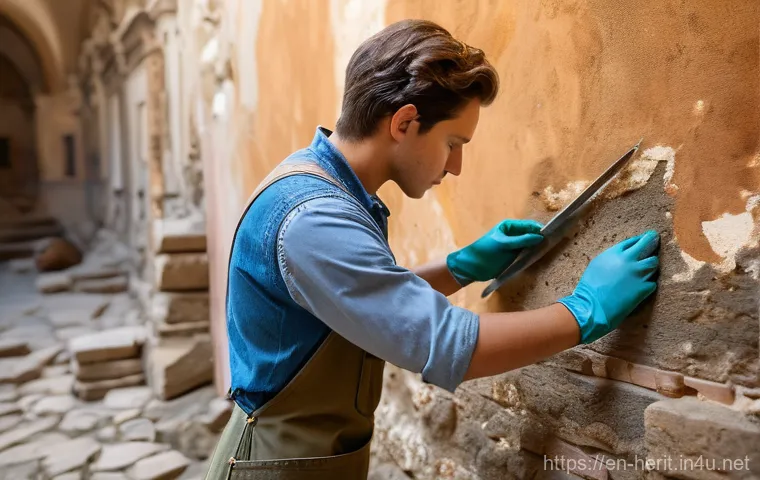
Have you ever walked past an ancient building or visited a historical site and just felt that incredible connection to the past? I know I have, countless times.
It’s truly amazing to think about the stories those walls could tell if they could speak. But what’s even more fascinating is the immense effort and passion that goes into making sure these priceless pieces of our global heritage don’t just survive, but truly thrive for future generations.
It’s not always easy, trust me, I’ve seen some incredibly complex restoration challenges firsthand. It’s tempting to think these magnificent structures just stand the test of time on their own, but behind every beautifully preserved cathedral, ancient ruin, or historical landmark, there’s a dedicated team of experts, artisans, and visionaries working tirelessly.
They blend traditional craftsmanship with cutting-edge technology, facing unique hurdles that would make most of us scratch our heads! And when these projects succeed, it’s not just a win for history; it’s a testament to human ingenuity and our collective commitment to culture.
The revitalization of these sites often breathes new life into entire communities, sparking renewed interest and drawing visitors from across the globe, bringing economic vitality right along with it.
I’ve personally followed several projects where the transformation was nothing short of miraculous, from crumbling foundations to breathtaking rebirths.
These aren’t just repair jobs; they’re acts of love and dedication that secure our shared legacy. It really makes you appreciate the power of perseverance and careful planning, doesn’t it?
We’re talking about projects that set new benchmarks for preservation worldwide, ensuring our kids and grandkids can experience the same awe we feel today.
Ready to explore some truly inspiring examples of cultural heritage repair projects that not only beat the odds but set a golden standard for the future?
Let’s dive deep into these remarkable achievements and discover what makes them so successful!
The Intricate Dance of Old and New: Blending Tradition with Technology
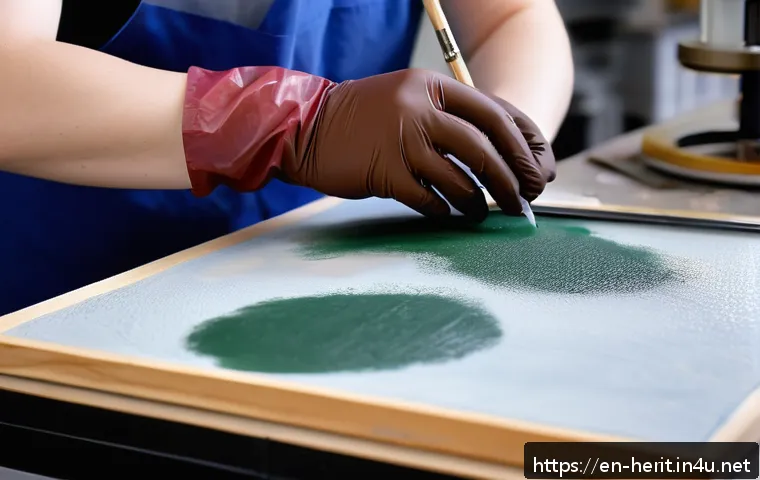
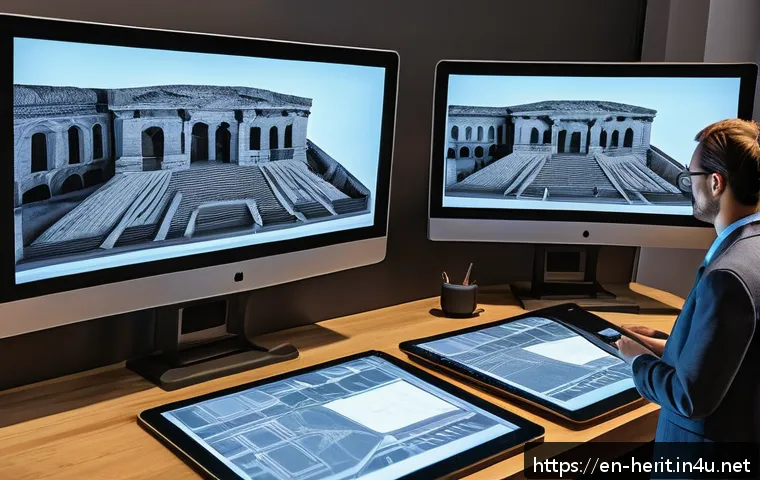
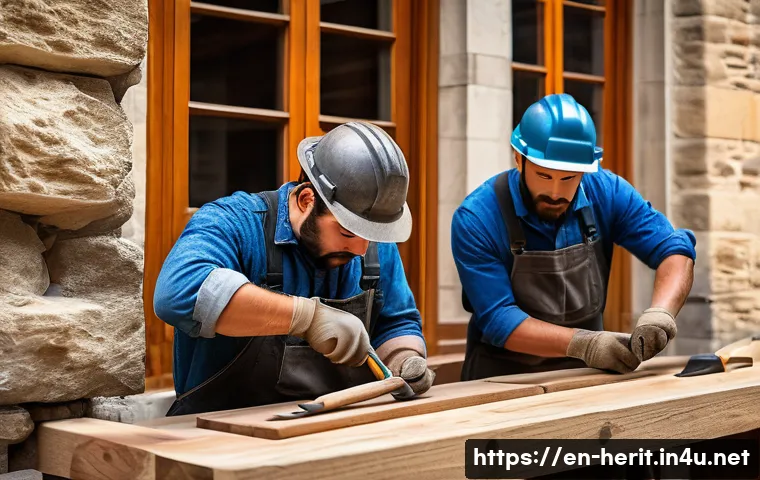
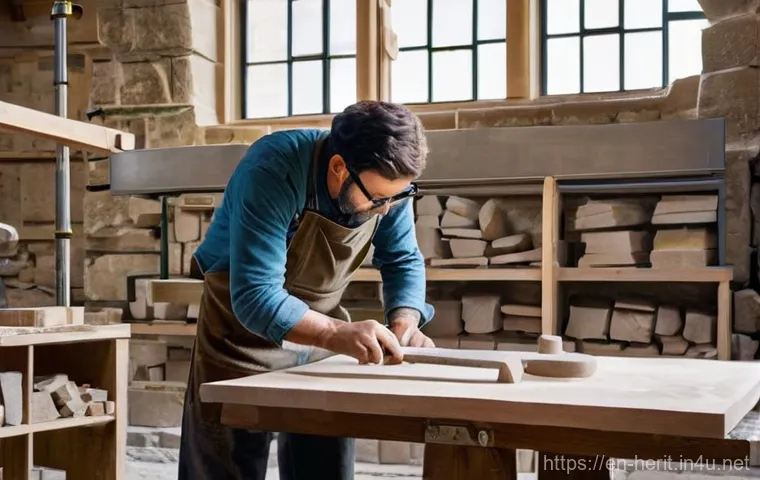
You know, there’s something truly magical about watching skilled hands work on a piece of history. I’ve often found myself mesmerized by the delicate balance required to restore an ancient structure. It’s not just about slapping on some new materials; it’s a deep understanding of the original craftsmanship, the very soul of the building. And trust me, it’s a lot more challenging than it sounds! Imagine trying to replicate a 500-year-old carving technique with modern tools – it simply doesn’t work. This is where the true artistry comes in, where traditional methods, often passed down through generations, meet the incredible advancements of today. I’ve personally seen stonemasons meticulously shaping blocks, just as their ancestors would have done, right alongside architects utilizing laser scanning and 3D modeling to precisely map out structural weaknesses. It’s an inspiring sight, this harmonious blend, ensuring that every intervention is not only historically accurate but also structurally sound for centuries to come. The goal isn’t just to repair, but to respect the past while securing the future, and that requires an incredible amount of collaborative spirit and a willingness to embrace both worlds.
Marrying Ancient Techniques with Modern Science
I remember visiting a project where they were restoring a medieval cathedral. The roof was a complete marvel of engineering, but decades of exposure had taken their toll. What struck me was how the leadworkers, using techniques from centuries ago, were seamlessly integrated with engineers who used ground-penetrating radar to understand the hidden structural elements. They were literally learning from each other, sharing knowledge that bridged vast swathes of time. This kind of cross-disciplinary teamwork is absolutely critical. It’s not about choosing one over the other; it’s about recognizing that each brings an invaluable perspective. The traditional artisans often have an intuitive understanding of materials and stresses that can’t be found in textbooks, while modern science provides diagnostic tools and analytical capabilities that were unimaginable even a few decades ago. When these two forces combine, the results are often breathtaking, yielding solutions that are both authentic and enduring, ensuring that the essence of the original work is preserved with integrity.
The Digital Revolution in Preservation
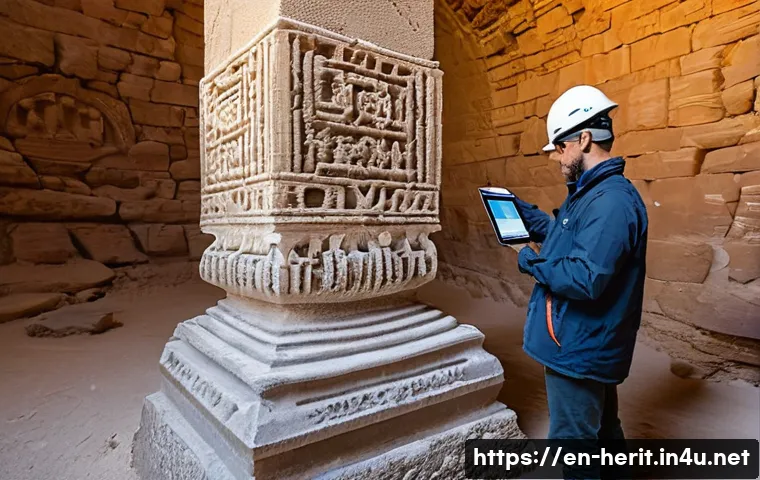
It’s incredible how much technology has changed the game in cultural heritage. When I first started following these projects, much of the documentation was still done manually, with painstaking hand drawings and measurements. Now, we’re talking about drone surveys, photogrammetry, and even virtual reality walkthroughs of damaged sites before a single brick is touched. I saw a project in Italy where they used augmented reality to overlay original architectural plans onto crumbling ruins, giving the restoration team an almost X-ray vision into the past. This digital revolution isn’t just about efficiency; it’s about precision and foresight. It allows teams to simulate different repair scenarios, predict how materials will behave over time, and even train new conservators in a virtual environment. For me, seeing these tools in action makes me feel incredibly optimistic about the future of our heritage. It means we can tackle challenges that once seemed insurmountable, pushing the boundaries of what’s possible while respecting the invaluable legacy entrusted to us.
Beyond Bricks and Mortar: Revitalizing Communities and Economies
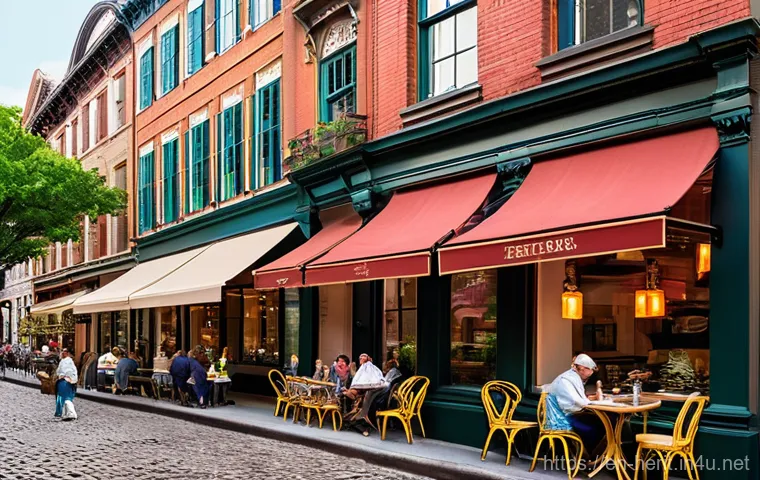
When we talk about restoring an old building, it’s easy to focus solely on the physical structure, right? But what I’ve learned, time and time again, is that these projects are so much more than just a fresh coat of paint or a repaired foundation. They are powerful catalysts for change within entire communities. I’ve witnessed firsthand how a neglected historic site, once an eyesore, can transform into a vibrant hub, breathing new life into local businesses and sparking a renewed sense of pride among residents. It’s truly inspiring. You see new cafes popping up, artisan shops opening their doors, and tour guides sharing stories with eager visitors. The investment in heritage preservation isn’t just an expense; it’s a strategic investment in the social fabric and economic future of a region. It creates jobs, from skilled craftspeople to hospitality workers, and draws in tourism revenue that might otherwise go elsewhere. It makes you realize that preserving the past isn’t just for historians; it’s for everyone, offering tangible benefits that ripple through daily life.
Sparking Local Revival Through Heritage
I remember a particular old factory building, a relic of the industrial era in a small town that had seen better days. It was just sitting there, dormant and decaying, a stark reminder of lost prosperity. But then, a group of dedicated individuals, seeing its potential, embarked on a truly ambitious restoration project. They transformed it into a multi-purpose arts and cultural center. What happened next was astonishing. The town slowly but surely started to come alive. Local artists found studios, a small theater group started performing, and a weekly farmers market began attracting people from neighboring areas. The energy was palpable. This wasn’t just about fixing up a building; it was about giving the community a new heart, a place to gather, to create, and to celebrate. It boosted local morale in a way that simply couldn’t have been achieved by any other means, proving that sometimes, looking back at our heritage is the best way to move forward.
The Economic Ripple Effect of Restoration
From an economic standpoint, the impact of these projects is genuinely impressive. I’ve seen reports that quantify the incredible return on investment when it comes to heritage tourism. Visitors don’t just come to look at a pretty building; they stay in local hotels, eat at local restaurants, buy souvenirs, and engage with the community. This influx of capital supports countless small businesses, creating a robust local economy. For instance, think about the iconic historic districts in cities like Charleston or Savannah; their unique charm, painstakingly preserved, is their biggest draw. People travel from all over the world just to experience that authentic atmosphere. It’s a powerful lesson in understanding that our heritage isn’t just an aesthetic asset, but a vital economic engine. I personally know several small business owners who have thrived purely because of the renewed interest and foot traffic generated by a nearby preservation project. It’s a win-win situation, where culture and commerce truly flourish hand in hand.
The Unsung Heroes: Craftsmanship, Dedication, and Problem-Solving
Behind every grand restoration project are countless individuals whose names we may never know, but whose dedication is absolutely foundational to success. I’m talking about the skilled artisans, the project managers who juggle impossible schedules, and the engineers who spend sleepless nights figuring out how to stabilize a crumbling wall. These are the unsung heroes. I’ve had the privilege of meeting some of these incredible people, and their passion is infectious. They don’t just see a job; they see a piece of history that they are personally responsible for protecting. It requires an incredible amount of resilience, because let’s be honest, working with old structures is rarely straightforward. There are always surprises, unexpected challenges lurking behind every layer of plaster or beneath every ancient floorboard. It takes a special kind of tenacity to face those unknowns and still push forward, finding creative solutions where others might throw up their hands. Their commitment to their craft and to the preservation mission is truly awe-inspiring, and without them, many of these magnificent feats simply wouldn’t be possible.
Bringing Forgotten Skills Back to Life
One of the most fascinating aspects of heritage preservation for me is the revival of traditional crafts. In many instances, the skills required to repair an ancient building are almost lost to time. Think about specialized plasterwork, intricate stained-glass techniques, or specific types of timber framing. I’ve watched apprentices learn directly from master craftspeople, some of whom have spent their entire lives perfecting these rare trades. It’s like watching history being taught and re-learned in real-time, right before your eyes. These projects become living classrooms, ensuring that these invaluable skills aren’t just preserved in books, but are actively practiced and passed on to the next generation. It’s a powerful testament to the idea that by looking to the past, we can secure a richer, more skilled future. There’s a profound beauty in seeing a new generation take up the tools of their predecessors, ensuring the continuity of human ingenuity.
Navigating the Unexpected: When Plans Go Sideways
If there’s one thing I’ve learned from following restoration projects, it’s that no two are ever the same, and things *always* go sideways at some point. It’s inevitable when you’re dealing with structures that have stood for hundreds, if not thousands, of years. I recall one instance where what was thought to be a simple facade repair turned into a major structural overhaul when hidden rot was discovered deep within the ancient timber frame. It completely derailed the initial timeline and budget, causing immense stress for the team. But what always impresses me is the problem-solving mentality that kicks in. Instead of despair, there’s a collective effort to diagnose, adapt, and innovate. Architects, conservators, and craftspeople huddle together, brainstorming solutions, often drawing upon historical knowledge or pioneering new techniques. It’s this collaborative spirit, this refusal to give up in the face of daunting challenges, that ultimately leads to success. These projects truly test the limits of human ingenuity and resilience, and often, the most beautiful solutions emerge from the most difficult problems.
| Aspect of Heritage Preservation | Common Challenges Encountered | Key Benefits of Successful Projects |
|---|---|---|
| Structural Integrity | Aging materials, hidden damage, seismic vulnerabilities | Enhanced safety, extended lifespan, historical authenticity |
| Material Conservation | Deterioration due to climate, pollution, previous poor repairs | Preservation of original fabric, authentic aesthetic appeal |
| Funding & Resources | High costs, specialized expertise requirements, bureaucratic hurdles | Increased tourism revenue, job creation, community investment |
| Skill & Craftsmanship | Loss of traditional skills, limited available experts | Revival of traditional crafts, training opportunities for new artisans |
| Community Engagement | Public indifference, conflicting interests, gentrification concerns | Increased local pride, cultural education, social cohesion |
A Blueprint for the Future: Setting Global Standards in Preservation
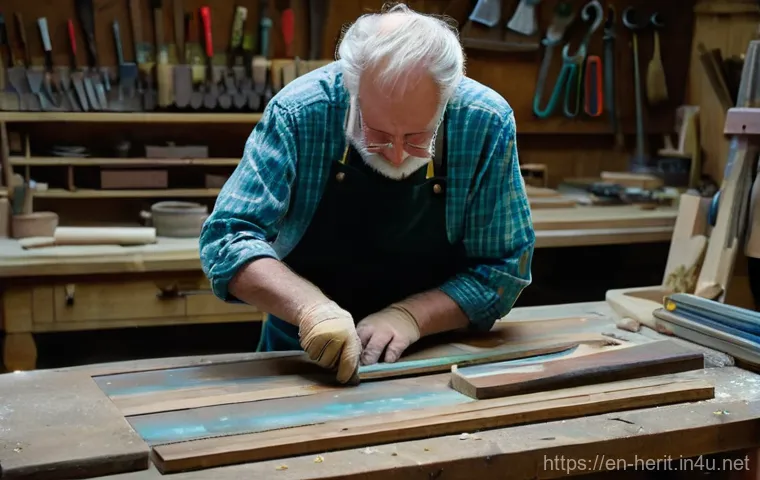
What I find truly exciting about many of the leading heritage projects today is that they’re not just repairing a building; they’re often pioneering new methods and setting benchmarks that inspire conservators and architects worldwide. These aren’t just local efforts; they become case studies, guiding principles for future endeavors on a global scale. I’ve seen some projects in Europe that have developed entirely new chemical treatments for stone conservation or novel ways to reinforce ancient walls without altering their appearance. These innovations are then shared through conferences, academic papers, and practical workshops, elevating the entire field. It creates a wonderful ripple effect, where success in one corner of the world helps safeguard heritage in another. It truly makes you feel like you’re part of a larger, collective effort, all striving towards the same noble goal of protecting our shared past. These projects are more than just repairs; they are vital contributions to the evolving science and art of preservation, pushing the boundaries of what’s possible and ensuring our methodologies are as effective and respectful as they can be.
Innovations That Inspire Worldwide
It’s fascinating to observe how individual projects can lead to global advancements. I remember hearing about a cutting-edge approach used to stabilize a crumbling fresco in Italy. The team developed a non-invasive micro-injection technique that used a specially formulated resin. This method was so successful and minimally intrusive that it quickly became a gold standard for similar delicate artworks across the globe. Suddenly, conservators from different continents were studying this approach, adapting it to their own unique challenges. This kind of cross-pollination of ideas is what truly propels the field forward. These innovative solutions often involve a blend of deep historical knowledge and forward-thinking scientific research, proving that there’s always something new to learn and discover, even when dealing with the most ancient artifacts. It’s truly a testament to human ingenuity and our collective commitment to finding the best ways to protect our global treasures.
Educating the Next Generation of Guardians
One aspect of these major projects that I find particularly heartwarming is their role in education and training. Many large-scale restorations aren’t just about fixing things; they’re also about creating opportunities for new generations to learn these specialized skills. Apprenticeships flourish, university students gain invaluable hands-on experience, and international exchange programs allow knowledge to flow freely across borders. I’ve spoken with young apprentices who are absolutely thrilled to be learning traditional masonry or carpentry techniques directly from masters, knowing they are becoming part of a continuous lineage of craftspeople. This educational component is vital because without a new cadre of skilled individuals, even the most innovative techniques won’t matter in the long run. These projects ensure that the torch of preservation is passed on, creating a sustainable future for our heritage. It’s an investment not just in old stones, but in young minds, ensuring that the legacy of care continues for centuries to come.
The Heart of History: Why These Projects Matter So Much
At the end of the day, after all the complex engineering, the meticulous craftsmanship, and the countless hours of planning, why do these projects truly matter? For me, it boils down to our innate human desire to connect with something larger than ourselves. When I walk through an ancient site that has been carefully restored, I don’t just see old bricks; I feel the echoes of lives lived, stories told, and cultures evolved. It’s an incredibly powerful experience, one that reminds us of our shared humanity across time and space. These structures are more than just buildings; they are tangible links to our collective past, providing context for who we are today and inspiring us to think about the future. They are monuments to human creativity, resilience, and faith, offering lessons that are just as relevant now as they were centuries ago. Preserving them isn’t just a duty; it’s a privilege, allowing us to continue a conversation with history and ensuring that future generations can have that same profound connection. It’s truly about safeguarding our very identity.
Connecting Us to Our Shared Human Story
I genuinely believe that cultural heritage sites are storytellers without words. Each ancient wall, every intricate detail, whispers tales of human endeavor, belief, and daily life. When these sites are lovingly restored, they don’t just stand as relics; they become vibrant portals to understanding our shared human story. I’ve visited places where seeing the preserved remnants of a civilization made me feel an incredible sense of continuity, a realization that while times change, fundamental human experiences and aspirations often remain the same. It’s a humbling and enriching experience, one that broadens our perspectives and fosters a deeper appreciation for the diverse tapestry of human culture. These projects bridge the gap between us and our ancestors, allowing us to learn from their triumphs and struggles, and to recognize the common threads that bind us all together through time.
Ensuring Legacy for Generations to Come
Ultimately, the profound effort poured into cultural heritage repair is about leaving a legacy. It’s about making sure that the awe-inspiring beauty and the profound historical lessons embedded in these sites aren’t lost to time, but are there for our children, and their children, to experience and learn from. I often think about the incredible responsibility we have in our generation to act as custodians of this priceless heritage. When I see the care taken in a major restoration, I feel a deep sense of gratitude towards everyone involved, knowing they are securing these treasures for millennia. It’s an act of profound optimism, a belief in the enduring value of culture and history. These projects ensure that the past is not just remembered, but actively lives on, continuing to inspire, educate, and connect future generations to the magnificent journey of human civilization. It truly makes the world a richer place for everyone.
Wrapping Up Our Journey Through Time
As we’ve explored, the blend of ancient wisdom and cutting-edge innovation in heritage preservation is nothing short of inspiring. It’s a testament to human ingenuity, our collective desire to protect the narratives woven into our historical sites. From the meticulous hands of master craftspeople to the precision of digital mapping, every effort ensures that these magnificent structures don’t just stand, but continue to tell their stories for generations to come. This isn’t just about old buildings; it’s about the vibrant communities they foster, the economies they revitalize, and the profound connection they offer us to our shared past. Truly, it’s a living, evolving art form that promises a richer, more grounded future.
Insider Tips for Heritage Enthusiasts
If you’re as fascinated by heritage as I am, you might be wondering how you can get more involved or simply appreciate it deeper. Here are a few invaluable tips I’ve picked up along the way:
1. Become a Local Explorer: Take the time to discover the historical gems right in your own backyard. Many towns have fascinating, lesser-known sites that are just waiting to be appreciated. Grab a local history book or use a heritage app, and embark on your own urban archaeological adventure. You’d be surprised what incredible stories are hidden in plain sight.
2. Support Heritage Organizations: Whether it’s a national trust or a small local preservation society, these groups are often the backbone of conservation efforts. Consider becoming a member, donating, or simply attending their events. Your support, no matter how small, helps fund crucial restoration projects and educational programs, ensuring the longevity of our shared heritage.
3. Volunteer Your Time: If you’re looking for a more hands-on approach, many heritage sites rely on volunteers for everything from guiding tours to helping with garden upkeep or even light conservation tasks. It’s an incredible way to gain firsthand experience, meet passionate people, and truly feel like you’re contributing to something meaningful. I’ve heard countless stories of friendships forged and skills learned on these projects.
4. Seek Out Specialized Tours: Forget the generic tourist traps. Look for tours led by historians, architects, or even the craftspeople involved in restoration projects. Their insights are often unparalleled, offering a deeper understanding of the challenges, techniques, and historical significance of a site. It’s like getting a backstage pass to history, and believe me, it’s worth every penny.
5. Advocate for Preservation: Be an active voice in your community for the importance of cultural heritage. Attend public meetings, write to your local representatives, and share your passion with friends and family. The more people who understand the value of preservation, the stronger our collective effort will be in protecting these irreplaceable treasures from neglect or inappropriate development.
Key Takeaways to Cherish
Ultimately, the meticulous work of cultural heritage preservation is a powerful fusion of past and future. It reminds us that tradition and technology aren’t adversaries, but rather invaluable partners in safeguarding our collective story. Every restored archway and stabilized fresco serves as a testament to dedicated craftsmanship, innovative problem-solving, and a profound respect for history. These efforts don’t just save buildings; they breathe life into communities, foster economic growth, and ensure that the rich tapestry of human achievement continues to inspire, educate, and connect us all for generations to come. It’s a commitment to our shared identity, ensuring the echoes of the past can resonate vibrantly in our present and future.
Frequently Asked Questions (FAQ) 📖
Q: What are the biggest hurdles in restoring ancient sites and how do project teams manage to bring them back to life?
A: Oh, trust me, it’s never a straightforward path! I’ve been amazed at the sheer grit and ingenuity I’ve witnessed on cultural heritage repair projects.
One of the biggest obstacles, hands down, is securing enough funding. These aren’t cheap endeavors; they require massive investment for everything from initial research and meticulous restoration work to ongoing maintenance.
Beyond the money, the technical challenges are mind-boggling. Imagine trying to repair a centuries-old fresco or stabilize a crumbling Roman arch – you’re often dealing with incredibly delicate structures and materials that just don’t exist anymore.
It’s a delicate dance between traditional craftsmanship and cutting-edge technology, and finding that perfect balance is crucial. Then there’s the environment.
Climate change, with its unpredictable storms, rising sea levels, and extreme temperatures, is a constant threat that accelerates deterioration. Natural disasters like earthquakes can devastate sites in a flash, demanding rapid and effective recovery strategies.
And let’s not forget urban expansion; sometimes, historical sites are literally in the way of “progress,” leading to tough decisions about how to integrate the old with the new.
But here’s the inspiring part: dedicated teams overcome these by blending age-old artisanal skills with advanced scientific analysis, laser scanning, and even 3D printing for structural reinforcement.
They don’t just fix things; they painstakingly research and often recreate lost techniques. It’s a true labor of love, driven by passion and a deep respect for history, and that’s what makes these projects truly miraculous.
Q: Beyond just preserving old buildings, how do these restoration projects actually help the local communities and economies?
A: This is where it gets really exciting, because it’s not just about the bricks and mortar, trust me! When a cultural heritage site gets a new lease on life, it breathes vitality into the entire surrounding community.
I’ve personally seen how these projects become powerful economic engines. First, there’s the massive boost in tourism. People are naturally drawn to places with character and history, and beautifully restored sites become iconic destinations.
More visitors mean more spending at local hotels, restaurants, shops, and other small businesses. This isn’t just a trickle; it’s a flood of revenue that supports local economies and creates jobs – and I’m talking about skilled jobs too, like artisans, historians, and restoration experts.
Beyond the direct economic impact, historic preservation often leads to increased property values in the surrounding areas. People want to live or invest near these unique, character-filled places.
It sparks a ripple effect, encouraging further revitalization and making neighborhoods more attractive and stable. On a human level, it fosters an incredible sense of local pride and identity.
When communities see their heritage being cared for, it strengthens social bonds and gives everyone a shared story and a connection to their past. It’s about more than just a facelift for a building; it’s about giving an entire community a brighter future and a renewed sense of self.
Q: How do we ensure these incredible efforts aren’t just temporary fixes, but truly secure our cultural heritage for generations to come?
A: This is the million-dollar question, isn’t it? The real magic happens when we think long-term and embrace sustainability. My experience tells me that simply fixing a deteriorating site isn’t enough; we need robust strategies for its future.
One key factor is integrating sustainable practices into every stage, from using long-lasting, appropriate materials to employing non-invasive diagnostic techniques that minimize future interventions.
It’s about a preventative approach rather than just reactive repairs. Crucially, ongoing maintenance and management plans are absolutely non-negotiable.
These sites need continuous care, and that means securing consistent funding and training skilled professionals who can provide that care. Adaptive reuse is another brilliant strategy I’ve seen work wonders.
Giving old buildings a new, relevant purpose – whether it’s turning an ancient factory into community housing or a historic school into a cultural center – ensures they remain active parts of society and aren’t left to decay.
Perhaps most importantly, it comes down to people. Community engagement and education are vital. By involving local residents in the preservation process, teaching them about the history and significance of their heritage, and fostering a sense of ownership, you create a powerful advocacy network for the site’s future.
Leveraging technology, like digital documentation and 3D scanning, also helps in creating detailed records that can aid future preservation efforts and even allow people to experience sites virtually.
Ultimately, it’s about empowering the next generation to be the stewards of their heritage, ensuring our shared legacy continues to inspire for centuries.