Heritage Preservation Certifications: Are They Your Key to a Specialized or Versatile Career?

webmaster

문화재수리 자격증과 다른 자격증 비교 - **A highly detailed portrait of a focused archaeologist or heritage conservator, mid-restoration of ...

Hey there, fellow career explorers! Ever found yourself staring at a bewildering list of professional certifications, wondering which path truly sparks your passion and offers real growth?

It’s a tricky maze, right? On one hand, you have those broad, universally recognized credentials that open doors in so many industries. Think project management or IT certifications – solid choices, no doubt.

But then, you stumble upon something truly unique, like specialized heritage conservation certifications. These aren’t just pieces of paper; they’re passports to a world where history comes alive, where you’re actively shaping the future by preserving the past.

I’ve personally explored various certifications, and let me tell you, the journey from generalist to specialist can be incredibly rewarding. With global interest surging in sustainable cultural preservation and the advent of incredible digital tools transforming how we approach heritage sites, the demand for truly skilled professionals in this niche is on the rise.

We’re talking about more than just a job; it’s a calling that combines craftsmanship, history, and cutting-edge technology. So, if you’re curious about how these highly specialized credentials stack up against their more conventional counterparts, and what incredible opportunities await, let’s dive into the fascinating details below!

Hey there, fellow career explorers!

The Allure of the Niche: Why Specialization Matters More Than Ever

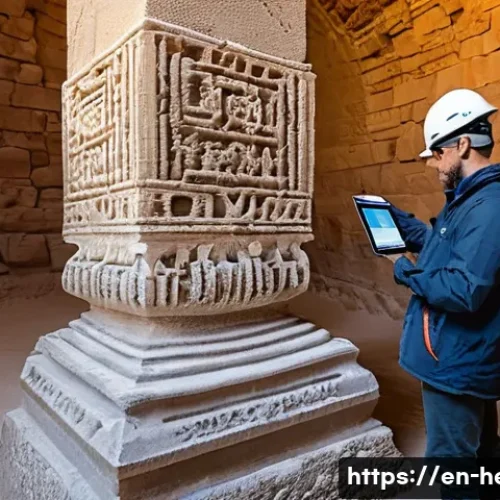
문화재수리 자격증과 다른 자격증 비교 - **A highly detailed portrait of a focused archaeologist or heritage conservator, mid-restoration of ...

You know, I’ve always been drawn to things that are a little off the beaten path, and when it comes to professional development, that fascination led me right into the world of specialized certifications. It’s like finding a secret garden instead of just walking through the public park. While those broad, general certifications are fantastic for laying a foundation – and trust me, they absolutely have their place – there’s something undeniably powerful about diving deep into a niche. I’m talking about going beyond the surface level and truly mastering a specific domain. For instance, an archaeologist friend of mine who specialized in Roman mosaics recently told me how invaluable his conservation certification was. He said it wasn’t just about knowing history, but about understanding the very chemistry of the mortar, the artistic techniques of ancient artisans, and the delicate dance of preserving something millennia old. That kind of deep, granular knowledge isn’t something you pick up in a generic ‘project management for all’ course. It’s about becoming an indispensable expert in a field that genuinely needs that specific insight. This depth of understanding not only makes you stand out but also equips you with skills that are truly unique and often irreplaceable, especially when faced with complex, real-world challenges. It allows you to become a go-to person for very particular problems, opening up conversations and opportunities that might never even cross the radar of someone with a more generalized background.

The Depth of Expertise

When you commit to a specialized certification, you’re not just learning facts; you’re immersing yourself in an entire ecosystem of knowledge. I remember feeling a bit overwhelmed at first by the sheer volume of detailed information in one of my specialized courses, but then it clicked. This wasn’t just rote memorization; it was about understanding the nuances, the intricate connections, and the subtle challenges that only an expert would recognize. For someone looking into heritage conservation, for example, this could mean everything from understanding specific materials like timber, stone, or frescoes, to mastering traditional repair techniques that have been passed down for centuries. It’s a hands-on, deeply engaged learning process that transforms you from a novice into a genuine authority. This isn’t just about earning a badge; it’s about fundamentally changing how you approach problems and how you contribute to your field, truly shaping your identity as a professional.

Unlocking Unique Opportunities

One of the most exciting aspects of holding a specialized certification is the unique doors it swings open. While a general IT certification might land you a great job at a large corporation, a specialized one, say in forensic digital preservation, could put you on a team recovering vital data from a historical archive or working on a cutting-edge museum exhibit. I’ve seen this firsthand; a friend of mine, after getting her certification in museum collections management, was immediately headhunted by a small, prestigious gallery that needed someone with her exact skillset. These roles often aren’t advertised widely because the pool of qualified candidates is so small. You become a highly sought-after individual, someone whose specific skills are not just valued but desperately needed. It’s not just about job security; it’s about finding a role where your passion and expertise truly converge, leading to incredible professional satisfaction and a real sense of impact.

Beyond the Resume: Tangible Skills and Real-World Impact

Honestly, looking good on paper is one thing, but actually doing the work, making a real, tangible difference – that’s where the magic happens. And for me, specialized certifications shine brightest in this arena. I’ve always been a hands-on learner, and what I’ve personally found is that niche certifications often emphasize practical application over purely theoretical knowledge. It’s not just about knowing what to do, but how to do it, and critically, why it’s done a certain way. Think about the incredible responsibility that comes with restoring a priceless historical artifact or managing a delicate archaeological dig. There’s no room for guesswork. You need professionals who have not only studied the principles but have actually practiced the techniques, understood the materials, and handled the tools. This isn’t just about ticking boxes; it’s about cultivating a deep sense of craftsmanship and precision that comes from dedicated, specialized training. This practical mastery is what truly separates the wheat from the chaff, allowing you to contribute meaningfully from day one, rather than needing extensive on-the-job training to catch up.

Hands-On Experience You Can’t Get Anywhere Else

My journey through a conservation certification program was incredibly eye-opening precisely because of the hands-on components. We weren’t just reading textbooks; we were in labs, handling actual historical objects, experimenting with different preservation agents, and even learning traditional artisan techniques. It felt less like a classroom and more like an apprenticeship. One specific module had us working on a damaged 18th-century manuscript, carefully stabilizing the paper and reinforcing the binding. The feeling of gently restoring something so fragile and historically significant was absolutely unparalleled. This kind of direct engagement with the subject matter is rare in more generalized programs, which often focus on broad methodologies. For me, this practical immersion meant that when I stepped into a real-world project, I wasn’t just conceptually ready; I had developed a muscle memory for the tasks, an intuitive understanding of the materials, and the confidence to apply complex solutions, making me an invaluable asset.

Making a Real Difference

The impact of specialized skills often resonates far beyond an individual’s career. When you’re involved in heritage conservation, for example, you’re not just doing a job; you’re safeguarding collective memory, preserving cultural identity, and ensuring that future generations can learn from and appreciate the past. I’ve seen projects where a single, dedicated team with specialized restoration skills literally brought a crumbling historic building back to life, transforming it into a vibrant community hub. The pride and sense of accomplishment are immense. It’s not about maximizing quarterly profits; it’s about contributing to something larger than yourself, creating a lasting legacy. This kind of work provides a profound sense of purpose, knowing that your unique expertise directly contributes to the enrichment of society and the preservation of irreplaceable cultural treasures that tell the story of humanity.

Advertisement

Navigating the Certification Landscape: A Practical Guide

Alright, so you’re probably thinking, “This all sounds great, but how do I even start to figure out which certification is right for me?” It’s a valid question, and one I’ve wrestled with myself. The certification landscape can look like a wild, untamed forest sometimes, with countless paths branching off in every direction. When I first started exploring, I felt a bit lost in the sheer volume of options. My best advice? Take a deep breath and start by honestly assessing your long-term career goals and, more importantly, what truly excites you. Are you someone who thrives on big-picture strategy, or do you get a kick out of meticulous detail work? Do you see yourself leading a diverse team across various projects, or becoming the absolute authority in a very specific, technical domain? The answers to these questions are your compass. It’s not about choosing the “best” certification in a vacuum, but choosing the best fit for your unique aspirations and personality, which can make all the difference in your professional satisfaction and success.

Weighing Your Options: General vs. Specialized

This is where the rubber meets the road. On one hand, you have general certifications – think your PMPs, your CompTIAs, your broad marketing certs. These are fantastic for demonstrating a foundational level of competence across a wide range of industries. They’re often recognized globally and can open many initial doors. They tell potential employers, “I understand the universal principles of X.” On the other hand, you have specialized certifications, like those in heritage conservation, archaeological field techniques, or even niche software development. These tell employers, “I am an expert in Y, and I can handle complex, specific challenges related to it.” I once had a chat with a hiring manager who told me they always look for a mix: someone with a solid general base who then shows initiative to specialize. It’s about understanding what each type brings to the table and how they complement each other in building a robust career profile.

Finding the Right Program for You

Once you’ve got a clearer idea of your direction, the next step is finding the actual program. This involves some serious sleuthing! Look for accredited institutions, read testimonials, and if possible, connect with alumni. I always prioritize programs that offer practical components – workshops, internships, or hands-on projects. It’s one thing to learn theory, but another entirely to apply it. For conservation, this might mean programs affiliated with established museums, historical societies, or universities with strong humanities departments. Don’t be afraid to reach out to program directors with your questions; their insights can be incredibly valuable. Remember, this is an investment in your future, so due diligence is key to ensuring you pick a program that truly aligns with your goals and provides a strong return on your time and money.

My Personal Journey of Discovery

My own path was a bit winding, as most good paths are! I started with a broader interest in cultural studies, which led me to a general project management certification. It was useful, no doubt, but I found myself craving more specific, hands-on engagement with historical materials. That’s when I stumbled upon a certificate in textile conservation – a truly niche area! It was daunting at first, but the passion of the instructors and the sheer beauty of the work drew me in completely. I learned about dyes, weaving patterns, environmental controls for delicate fabrics, and even how to carefully mend ancient tapestries. It wasn’t just about gaining a credential; it was about connecting with a craft, a history, and a community that I truly loved. This personal dive into a specialist area transformed my career and brought a level of satisfaction I hadn’t found before, proving that sometimes the most rewarding paths are the least expected.

Aspect Specialized Heritage Conservation Certifications General Professional Certifications (e.g., Project Management, IT)
Depth of Knowledge Deep, specific expertise in materials, techniques, and historical contexts related to cultural heritage. Focus on niche problem-solving. Broad, foundational knowledge applicable across various industries and roles. Focus on universal principles and methodologies.
Career Path Often leads to niche roles in museums, archives, archaeological sites, government heritage bodies, or specialized consulting. Highly focused growth. Opens doors to a wide array of roles in many industries (tech, finance, healthcare, etc.). Versatile and adaptable career trajectory.
Market Demand Smaller pool of job opportunities but extremely high demand for specific, rare skills. Candidates are highly sought after for unique projects. Broader job market with many opportunities, but also higher competition. Value is in widespread applicability.
Earning Potential Can command premium salaries due to scarcity of expertise and critical nature of work. High value for unique problem-solving. Good, stable earning potential. Salary depends on experience, industry, and demand within a broader skill set.
Community & Passion Strong, passionate community of fellow specialists. Deep intrinsic satisfaction from preserving cultural legacy. Networking opportunities across diverse professional groups. Satisfaction from achieving broad career goals.
Hands-on vs. Theory Often heavily hands-on, practical application-focused, dealing directly with artifacts and sites. Can be more theory and methodology-focused, with practical application often simulated or project-based.

The Unseen Benefits: Community, Passion, and Legacy

Beyond the impressive resume bullet points and the potential for a higher salary, there’s a whole other layer of benefits that specialized certifications offer, benefits that often go unmentioned but are deeply, profoundly impactful. These are the aspects that truly nourish your soul and make your work feel less like a job and more like a calling. I’m talking about the incredible sense of community you find, the way it ignites a genuine passion within you, and the lasting legacy you contribute to. It’s funny, sometimes we get so caught up in the tangible outcomes that we forget to appreciate the intrinsic rewards, but these are often what keep us going through challenging projects and fuel our long-term commitment.

Connecting with Fellow Enthusiasts

When you specialize, you often find yourself amongst a group of incredibly dedicated and passionate individuals who share your very specific interests. It’s like finding your tribe! In my textile conservation program, I met people from all walks of life – former artists, historians, even engineers – all united by a shared reverence for delicate fabrics and their stories. We formed study groups, collaborated on projects, and even attended specialized conferences together. These aren’t just professional contacts; they often become lifelong friends and a vital support network. I’ve found that the discussions are richer, the problem-solving more collaborative, and the sense of belonging far stronger than in broader professional groups. It creates a space where you can truly geek out about your niche, knowing everyone else “gets it,” which is an amazing feeling of connection and shared purpose.

The Deep Satisfaction of Preservation

There’s a unique kind of satisfaction that comes from preserving something of immense historical or cultural value. It’s a quiet pride, a profound sense of purpose. Imagine working on a piece of art that’s hundreds of years old, knowing that your careful efforts are ensuring its survival for hundreds more. I remember completing a particularly challenging restoration of an old family heirloom tapestry; the colors vibrant again, the tears invisibly mended. The owner was brought to tears when she saw it, recounting stories of her ancestors. That moment, that genuine emotional connection to the past and its continuity into the future, is something you simply can’t put a price on. It transcends monetary compensation and touches something much deeper within you. It reminds you that your skills aren’t just for a paycheck, but for a greater good, contributing to the human story in a truly meaningful way.

Advertisement

Investing in Your Future: Financial Returns and Career Trajectories

문화재수리 자격증과 다른 자격증 비교 - **A diverse team of specialized heritage professionals collaborating in a modern museum workshop.** ...

Let’s be real for a moment: while passion is crucial, we also need to consider the practicalities of a career, and that often boils down to financial stability and long-term growth. This is another area where specialized certifications can really shine. While it might seem counterintuitive that a narrower focus could lead to better financial prospects, it often boils down to the simple economics of supply and demand. If you’re one of a handful of true experts in a highly specific, in-demand field, your value naturally escalates. Employers aren’t just looking for someone to fill a slot; they’re looking for the person who can solve a unique problem, and they’re usually willing to pay a premium for that expertise. It’s about positioning yourself as indispensable, rather than just one of many qualified candidates. I’ve seen specialists command significantly higher rates or salaries precisely because their skillset is so rare and vital.

The Value of Scarcity in Expertise

Think about it this way: if a company needs a generic IT support person, they might have hundreds of applicants. But if they need someone who can specifically manage and preserve delicate digital archives for a museum, suddenly the applicant pool shrinks dramatically. Your specialized certification makes you a rare commodity, and in the professional world, scarcity often translates directly into higher earning potential and stronger negotiating power. I’ve personally witnessed friends with niche skills in areas like historic building analysis or rare book conservation become highly sought-after consultants, able to set their own terms because there just aren’t many others who can do what they do. This isn’t just about a starting salary; it’s about a career trajectory that often leads to leadership roles, consulting opportunities, and significant influence within your specialized domain, truly making you a master of your craft.

Long-Term Growth Prospects

Beyond immediate financial gains, specialized certifications often open up clearer, more defined pathways for long-term career growth. You’re not just moving up a generic corporate ladder; you’re often progressing through distinct levels of mastery within your field, from practitioner to senior conservator, lead archaeologist, or director of a specialized department. Each step often involves more autonomy, greater responsibility, and naturally, increased compensation. Moreover, the deep knowledge you gain makes you adaptable to evolving challenges within your niche. For example, a conservator specializing in modern art might need to learn about new synthetic materials, but their core principles of preservation and material science remain foundational, allowing them to continuously evolve their expertise. It’s a sustainable path that encourages continuous learning and keeps your skills sharp and relevant for decades, ensuring you remain at the forefront of your chosen field.

Bridging the Gap: How General Skills Complement Specialization

Now, I know I’ve been singing the praises of specialization, and for good reason! But here’s the thing: it’s not an either/or situation. In fact, some of the most successful professionals I know are those who master a niche and possess a strong foundation of general skills. It’s like having a deep-sea diving suit and knowing how to swim on the surface. You can explore the depths, but you also understand the broader aquatic environment. General certifications, or even just a solid general education, can provide invaluable frameworks for understanding how your specialized work fits into a larger organizational context. For instance, a conservator who also has basic project management skills can not only preserve an artifact but also effectively plan the project, manage budgets, and communicate with stakeholders. It’s about being a well-rounded expert, someone who isn’t just brilliant in their silo but can also connect the dots across different disciplines, leading to more impactful and collaborative outcomes.

The Power of a Broad Foundation

A solid grasp of general business principles, communication strategies, or basic IT skills can amplify the impact of your specialized expertise exponentially. I’ve seen incredibly talented conservators struggle because they couldn’t effectively present their findings to a board or manage the logistics of a grant application. Conversely, those with a good general toolkit alongside their niche skills thrive. My own journey with a general communication course, even after specializing, proved incredibly useful in writing compelling grant proposals and explaining complex conservation issues to non-experts. It ensures that your brilliant, specialized work doesn’t get lost in translation and can actually gain the support and funding it needs to flourish, ultimately maximizing its reach and influence.

When Generalists Become Specialists’ Allies

In many large-scale projects, especially in cultural heritage, you’ll find a beautiful synergy between specialists and generalists. The heritage conservator might be the absolute expert on the physical restoration, but they’ll work hand-in-hand with a general project manager who handles timelines and budgets, a marketing specialist who promotes the exhibit, and an IT professional who sets up digital archiving systems. Each plays a crucial role, and the project succeeds because of this collaborative effort. Understanding how these broader roles function, even if you’re not performing them yourself, makes you a more effective and collaborative team member. It allows you to speak a common language and contribute more holistically to the project’s success, creating a robust and dynamic working environment where everyone’s unique skills are valued and leveraged.

Advertisement

The Digital Age of Preservation: New Frontiers

It’s an incredibly exciting time to be in any field touching upon preservation, and especially so in heritage conservation, because digital technology is completely reshaping what’s possible. Gone are the days when conservation was purely about hands-on physical restoration in a dusty workshop. Now, we’re talking about 3D scanning, virtual reality reconstructions, advanced material diagnostics, and global digital archives. These aren’t just flashy add-ons; they are fundamentally changing how we document, analyze, and protect historical assets. Specialized certifications in this era are often intertwined with digital literacy, ensuring that new professionals are equipped not just with traditional craft skills but also with cutting-edge technological prowess. It’s a fascinating blend of old-world respect for history and new-world innovation, truly pushing the boundaries of what conservation means. I’ve personally seen how a simple drone scan can provide an unprecedented level of detail about a deteriorating historical facade, informing targeted repair efforts in ways manual inspections never could.

Tech-Savvy Guardians of History

The demand for professionals who can bridge the gap between historical preservation and digital technology is exploding. We need experts who can operate LIDAR scanners to map ancient ruins, utilize sophisticated software for virtual reconstruction of lost monuments, or manage vast digital databases of artifacts. These aren’t just IT roles; these are specialized positions requiring an understanding of both the technology and the unique challenges of historical data. My former classmate, who initially trained in traditional architecture, went on to get a certificate in digital heritage management, and now he works for a government agency, creating 3D models of endangered historical sites for both research and public engagement. He’s essentially a digital historian and a technologist rolled into one, and his skills are invaluable. This fusion of traditional knowledge with modern tools creates powerful new avenues for safeguarding our past, ensuring its survival in an increasingly digital world.

Expanding Horizons with Digital Tools

Digital tools don’t just help us preserve; they also expand access and understanding in unprecedented ways. Imagine being able to “walk through” a meticulously reconstructed ancient city via VR, or examine the brushstrokes of a famous painting in ultra-high resolution from anywhere in the world. These technologies are democratizing access to heritage and creating new educational and research opportunities. For professionals, this means new avenues for outreach, fundraising, and collaboration. Specialized certifications are evolving to include modules on digital storytelling, data visualization for heritage, and managing online cultural resources. It’s a dynamic field where innovation is constant, ensuring that the work remains engaging and impactful. The ability to leverage these tools doesn’t just make your work more efficient; it makes it more accessible, more engaging, and ultimately, more powerful in its reach, connecting people to history like never before.

Wrapping Things Up and Looking Forward

Well, fellow career explorers, what an insightful journey we’ve embarked on today, delving deep into the transformative power of specialized certifications! I genuinely hope that sharing my own experiences and observations has offered you fresh perspectives and sparked some exciting ideas for your professional path. It’s truly remarkable to see how intentionally carving out a niche, rather than simply following a well-trodden generalist route, can profoundly elevate not just your career trajectory but also your personal fulfillment and sense of purpose. Remember, the true essence of this pursuit isn’t just about accumulating more credentials; it’s about cultivating a career that deeply resonates with your inherent passions and enables you to make a unique, irreplaceable impact in a world that increasingly values precise expertise. So, as you ponder your next steps, consider the immense value of diving deep and becoming that sought-after expert.

Advertisement

Handy Tips for Your Certification Journey

Embarking on the path to specialization can feel exhilarating, but also a little daunting with so many options out there. Drawing from my own experiences and observations from countless professionals, I’ve gathered a few tried-and-true tips that I genuinely believe can make your journey smoother and more successful. Think of these as little signposts along your way, helping you navigate the exciting landscape of niche expertise. These aren’t just theoretical suggestions; they’re distilled wisdom from folks who’ve walked this road and found their unique professional sanctuaries.

  1. When you’re researching potential certifications, don’t just skim the official syllabi; actively seek out independent reviews, forum discussions, or even social media groups where current students and alumni candidly share their real-world experiences. Their unfiltered perspectives can often reveal invaluable insights into a program’s true practical utility and community support.
  2. Always prioritize the practical application of the skills you’ll acquire. Does the certification program integrate robust hands-on workshops, offer meaningful internship opportunities, or culminate in impactful capstone projects? These elements are absolutely crucial for building genuine confidence and developing tangible, marketable expertise that goes beyond theoretical understanding.
  3. Never underestimate the power of networking! Even before you formally enroll, make an effort to attend virtual or in-person industry events, webinars, or meet-ups related to your desired specialization. Connecting with professionals already thriving in the field can provide invaluable clarity, potential mentorship, and open doors to future job prospects you might not discover otherwise.
  4. Be sure to factor in the comprehensive total cost beyond just the tuition fees – consider expenses for specialized study materials, mandatory exam fees, professional memberships, and any potential travel or accommodation if it’s an in-person program. Having a clear, realistic financial picture from the outset will enable you to plan effectively and avoid any unexpected fiscal surprises down the road.
  5. And finally, don’t ever be afraid to adjust your course or even pivot if your initial choice doesn’t feel like the perfect fit. My own career journey has certainly had its share of unexpected twists and turns, and I’ve learned that sometimes the most rewarding and fulfilling paths emerge from those unforeseen detours. Trust your intuition and embrace the continuous evolution of your professional self!

Key Insights to Remember

Ultimately, what truly elevates a career isn’t merely a robust resume brimming with general qualifications, but the profound depth of expertise and the unbridled passion you bring to your chosen, specific field. My personal journey and countless stories from peers have consistently reaffirmed that while a broad foundational knowledge is incredibly valuable for building a sturdy professional base, it is unequivocally the specialized skills that empower you to genuinely innovate, master complex challenges, and position yourself as an indispensable asset within your industry. These certifications are far more than mere pieces of paper or digital badges; they represent gateways to vibrant, supportive communities, profound personal satisfaction from meaningful work, and a unique professional identity that truly allows you to shine. Embracing a niche isn’t about narrowing your options; it’s about transcending the ordinary, making a tangible difference, and forging a lasting legacy in an area you genuinely care about and excel in. So, as you meticulously chart your professional course, always remember the unparalleled power of focused expertise, the sheer joy of deep, continuous learning, and the extraordinary opportunities that undeniably await when you courageously dare to specialize. It’s an investment that reliably pays dividends far beyond the purely financial, enriching your life and career in countless, deeply fulfilling ways.

Frequently Asked Questions (FAQ) 📖

Q: Hey there! So, what exactly are these “specialized heritage conservation certifications” we’re talking about, and how are they different from those more common, general professional credentials out there?

A: That’s an excellent question, and honestly, it’s one I get asked a lot! You know, we often hear about broad certifications like project management or general IT, which are fantastic for opening a lot of doors across various industries.
They give you a solid foundation, a versatile skillset that’s always in demand. But when we talk about “specialized heritage conservation certifications,” we’re diving into something much more focused and, in my opinion, truly captivating.
Think of it this way: a general certification makes you a well-rounded athlete, great at many sports. A specialized heritage certification makes you an Olympic gymnast – incredibly skilled and deeply knowledgeable in one very specific, intricate discipline.
These specialized credentials are all about honing in on a particular aspect of preserving our past. We’re talking about things like architectural conservation, which focuses on the nitty-gritty of historic building materials and techniques, or perhaps cultural landscape management, which involves understanding and protecting significant natural and built environments.
There are even certifications for specific digital heritage tools, or for becoming an expert in cross-cultural conservation, like the Specialist Certificate in Cross-Cultural Conservation and Heritage I’ve seen offered by some fantastic institutions.
What I’ve personally found is that while general certifications make you broadly employable, these specialized ones make you indispensable in a niche where deep expertise is absolutely critical.
They don’t just teach you a skill; they immerse you in a world where every detail matters, transforming you into a true authority.

Q: Okay, that sounds pretty unique! But what kind of real career opportunities can I actually expect with these niche certifications, and is there genuine demand for these professionals in today’s job market?

A: I hear you – it’s always smart to think about where your path will actually lead, right? And let me tell you, if you have a passion for history, culture, and hands-on preservation, the opportunities with these specialized certifications are far more vibrant and diverse than you might initially imagine!
I’ve seen folks go on to incredible roles. We’re talking about becoming a dedicated Heritage Officer, working with local councils or national trusts to safeguard historic sites and monuments.
Or maybe a Conservation Officer, advising on planning applications to ensure new developments respect our built heritage. Some even become Historic Buildings Inspectors, ensuring the integrity of our architectural treasures.
Beyond those, there’s a growing need for Cultural Heritage Managers, who oversee entire preservation projects, and specialized consultants who lend their unique expertise to private firms or international organizations.
And here’s the kicker: the demand is genuinely on the rise! With global interest surging in sustainable cultural preservation, especially in places rich with historical assets, and the advent of incredible digital tools transforming how we approach heritage sites, like using advanced GIS mapping or 3D modeling, the market for truly skilled professionals in this niche is expanding.
These aren’t just jobs; they’re callings that combine craftsmanship, history, and cutting-edge technology. What I’ve seen firsthand is that these roles aren’t just about preserving bricks and mortar; they’re about invigorating local economies through heritage tourism and community revitalization, creating jobs for skilled artisans and specialized project managers.
It’s a field that feels incredibly meaningful, and knowing your specialized skills are directly contributing to something so vital is incredibly rewarding.

Q: That’s a compelling case! But let’s be real, is investing my time and resources in these highly specialized heritage conservation certifications truly worth it compared to pursuing more conventional, widely recognized credentials that seem to have broader appeal?

A: That’s the million-dollar question, isn’t it? And it’s a valid one to ponder. I’ve personally navigated this thought process many times when considering my own career trajectory.
On one hand, you have those widely recognized certifications, like a PMP in project management, which are undeniably valuable and open a plethora of doors across almost any sector you can think of.
They teach you universal skills that are always in demand, and there’s comfort in that broad applicability. However, from my experience, the true value of specialized heritage conservation certifications shines when you consider what you gain beyond just general employability.
When you specialize, you cultivate a deep, unique expertise that often leads to higher earning potential within your niche. Recruiters, especially for critical preservation projects, are actively seeking specialists who can tackle specific challenges, and they’re often willing to pay a premium for that focused knowledge.
But it’s not just about the paycheck. What I’ve found to be truly priceless is the immense job satisfaction that comes from dedicating yourself to a field you’re genuinely passionate about.
When you’re directly contributing to preserving a piece of history, using skills that very few others possess, it’s not just a job; it’s a mission. While generalists offer versatility, specialists become indispensable, often leading complex, impactful projects that shape our cultural landscape.
If you’re looking for a career that’s not just a livelihood but a legacy, where your unique skills are celebrated and truly make a difference, then these specialized certifications are absolutely, wholeheartedly worth every bit of the investment.

Advertisement