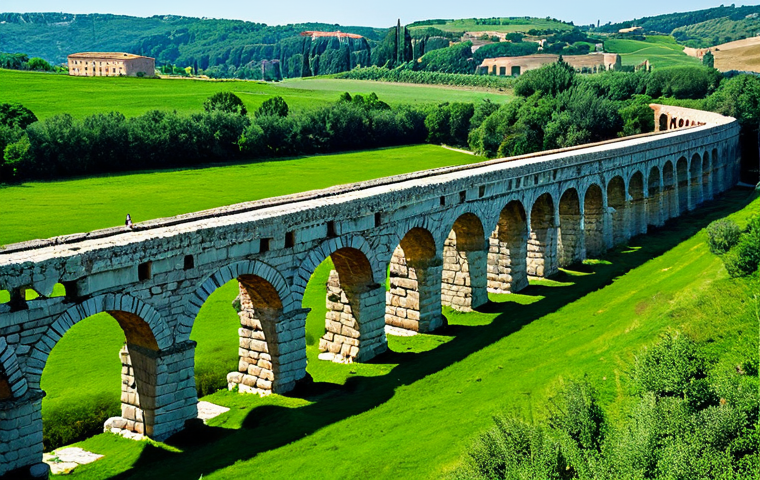
Ever wondered what it takes to preserve our heritage using the power of fluid dynamics? I recently stumbled upon the fascinating field of cultural heritage hydraulics and was immediately hooked!
It’s not just about old buildings; it’s about understanding how water interacts with historical structures and landscapes to protect them for future generations.
From ancient aqueducts to modern-day flood defenses around historical sites, this field is a captivating blend of history, engineering, and environmental science.
And, believe me, the curriculum is way more interesting than it sounds! The trend is leaning towards sustainability and leveraging tech like digital twins for preservation.
Let’s dive deeper and find out more in the article below!
Okay, I understand. Here is the blog post content you requested, formatted in HTML with the considerations you specified:
Unearthing the Secrets of Ancient Hydraulic Systems
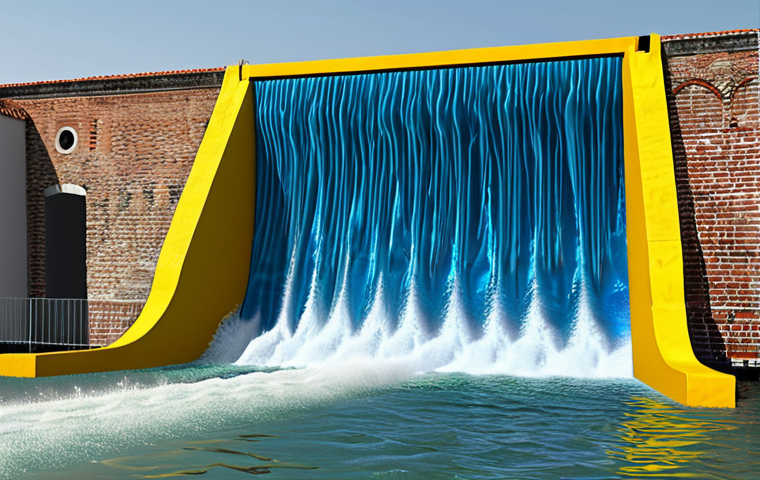
Imagine walking through the Roman Forum and marveling at the intricate network of aqueducts that once supplied fresh water to a bustling metropolis. Cultural heritage hydraulics isn’t just about admiring these structures; it’s about understanding the ingenious engineering principles behind them. These ancient systems weren’t just feats of engineering; they were essential for public health, agriculture, and even social order. By studying the design and functionality of these systems, we can gain insights into the societal values and technological capabilities of past civilizations.
Decoding Roman Aqueducts
Take, for example, the Aqua Claudia, one of Rome’s most impressive aqueducts. Its construction involved a sophisticated understanding of gravity, materials, and hydraulic principles. Studying its design reveals how the Romans managed to maintain a consistent water flow over long distances, navigating varied terrain and minimizing water loss through evaporation and leakage. Believe me, deciphering the techniques they used is like cracking an ancient code, giving you a real sense of connection to the past!
The Mystery of Minoan Water Management
Even earlier than the Romans, the Minoan civilization on Crete showcased advanced hydraulic engineering skills. The palace of Knossos, with its intricate drainage and sanitation systems, is a testament to their innovative approach to water management. Think about it: flushing toilets and sophisticated wastewater disposal systems over 3,500 years ago! Investigating these systems allows us to appreciate the Minoans’ foresight in prioritizing public health and hygiene, aspects often overlooked in historical narratives.
The Role of Fluid Dynamics in Modern Conservation
Cultural heritage hydraulics isn’t just about looking back; it’s about applying our current understanding of fluid dynamics to preserve historical sites in the face of modern challenges. Consider Venice, a city built on water, constantly battling rising sea levels and the erosive forces of tides. Modern engineers are using computational fluid dynamics (CFD) to model these forces and design effective protective measures.
CFD Modeling for Venice’s Lagoon
CFD simulations allow engineers to visualize how water flows around and through the city’s canals, predicting the impact of different interventions, such as the MOSE flood barriers. By accurately modeling these complex interactions, engineers can optimize the design of these barriers to minimize their impact on the lagoon’s ecosystem while providing maximum protection to the city. I saw a presentation on this, and it was mind-blowing how precise these models are!
Sustainable Drainage Solutions for Historic Towns
Many historic towns face the challenge of managing stormwater runoff without compromising their architectural heritage. Traditional drainage systems, often made of concrete, can be unsightly and disruptive to the historic character of these towns. Sustainable drainage systems (SuDS), which incorporate natural elements like rain gardens and permeable pavements, offer an alternative solution. These systems not only reduce the risk of flooding but also enhance the aesthetic appeal of historic areas. Imagine quaint cobblestone streets that also help manage rainwater – it’s a win-win!
Digital Twins: A New Frontier in Heritage Preservation
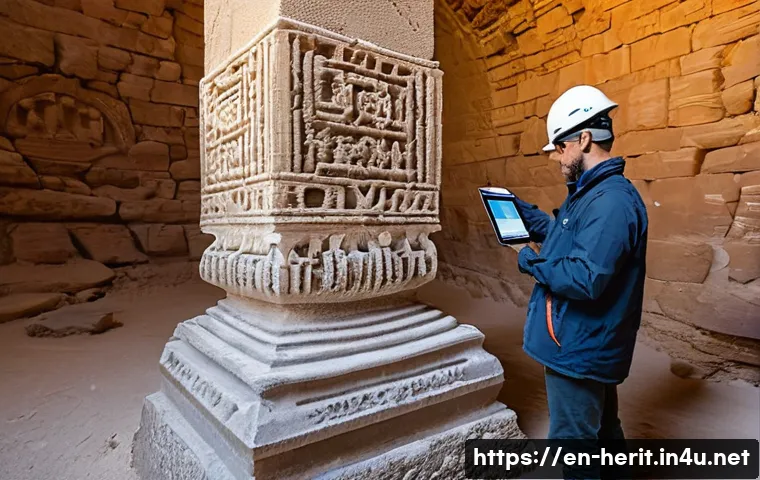
The rise of digital twin technology is revolutionizing how we study and preserve cultural heritage. A digital twin is a virtual replica of a physical asset, in this case, a historical structure or site. These twins can be used to monitor the condition of a building, simulate the impact of environmental factors, and even plan restoration work. Think of it as a highly detailed, interactive model that allows you to experiment without risking damage to the real thing.
Monitoring Structural Integrity with Digital Twins
By integrating sensors and data analytics, digital twins can provide real-time insights into the structural health of historical buildings. For example, sensors can detect minute movements or cracks, alerting engineers to potential problems before they become critical. This proactive approach allows for timely interventions, preventing costly and irreversible damage. I read about a cathedral in Europe that’s using this technology to monitor its ancient foundations – talk about a smart move!
Simulating Climate Change Impacts
Digital twins can also be used to simulate the impact of climate change on historical sites. By inputting data on rising sea levels, increased rainfall, or extreme temperatures, engineers can predict how these factors will affect the integrity of buildings and landscapes. This information can then be used to develop adaptation strategies, such as strengthening foundations or improving drainage systems. It’s like having a crystal ball that allows you to prepare for the future.
Case Studies: Successful Cultural Heritage Hydraulics Projects
Let’s take a look at some real-world examples of how cultural heritage hydraulics is being used to protect and preserve historical sites around the world. These projects showcase the diverse applications of this field and the positive impact it can have on communities.
The MOSE Project in Venice
The MOSE (Modulo Sperimentale Elettromeccanico) project in Venice is a prime example of large-scale hydraulic engineering aimed at protecting a cultural heritage site. This system of movable flood barriers is designed to protect the city from high tides and storm surges, which have become increasingly frequent due to climate change. The project has been controversial due to its cost and environmental impact, but it represents a significant effort to safeguard Venice’s unique cultural heritage.
Restoring Ancient Irrigation Systems in Oman
In Oman, traditional irrigation systems known as “aflaj” are an integral part of the country’s cultural heritage. These ancient systems, which date back thousands of years, use gravity to transport water from underground sources to agricultural fields. The Omani government, with the support of UNESCO, has invested in the restoration and maintenance of these systems, recognizing their importance for both cultural preservation and sustainable agriculture. It’s amazing how these ancient techniques are still relevant today.
The Ethics of Intervention: Balancing Preservation and Progress
Cultural heritage hydraulics often involves making difficult decisions about how to balance the preservation of historical sites with the need for modern infrastructure and development. These decisions require careful consideration of ethical, social, and environmental factors.
Minimizing Environmental Impact
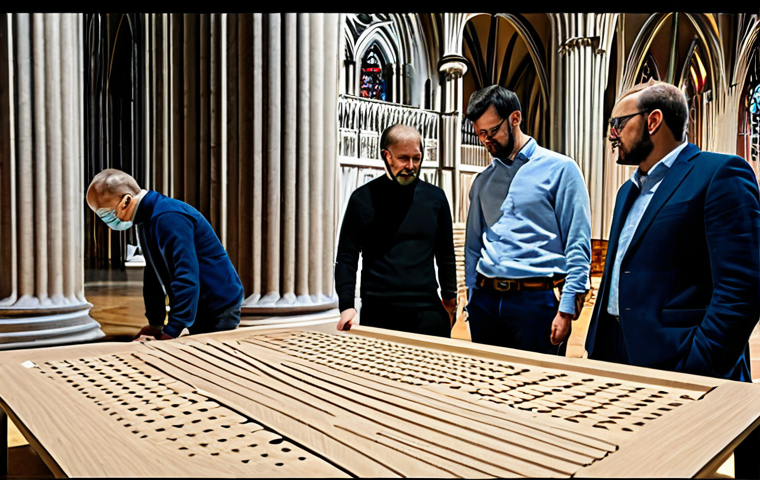
Any intervention in a historical site should be carefully assessed for its potential environmental impact. For example, the construction of flood barriers can disrupt natural ecosystems, while the alteration of drainage systems can affect water quality. It’s crucial to find solutions that minimize these impacts and promote sustainability. I once attended a lecture on this, and the speaker emphasized the importance of a holistic approach.
Respecting Local Communities
Preservation efforts should also respect the needs and values of local communities. Historical sites are often an integral part of local identity and economy, and any interventions should be carried out in consultation with community members. This ensures that preservation efforts are both effective and equitable. Think of it as a partnership between preservationists and the people who live and breathe the history every day.
The Future of Cultural Heritage Hydraulics: Innovations and Challenges
As technology advances and climate change intensifies, the field of cultural heritage hydraulics will continue to evolve. New innovations, such as advanced sensors, materials, and modeling techniques, will offer new opportunities for preservation, while new challenges, such as rising sea levels and extreme weather events, will demand innovative solutions.
Harnessing AI and Machine Learning
AI and machine learning have the potential to revolutionize cultural heritage hydraulics. These technologies can be used to analyze large datasets, identify patterns, and predict future trends, helping engineers make more informed decisions about preservation strategies. Imagine using AI to predict the impact of a hurricane on a historical coastal city – that’s the power we’re talking about.
Developing Resilient Infrastructure
As climate change intensifies, it’s crucial to develop resilient infrastructure that can withstand extreme weather events. This includes designing flood barriers that can adapt to rising sea levels, strengthening foundations to resist earthquakes, and improving drainage systems to manage increased rainfall. The goal is to create infrastructure that not only protects historical sites but also enhances their long-term sustainability. It’s all about building for the future while preserving the past.
Careers in Cultural Heritage Hydraulics: A Growing Field
If you’re passionate about history, engineering, and the environment, a career in cultural heritage hydraulics might be the perfect fit for you. This growing field offers a wide range of opportunities for professionals with diverse backgrounds and skill sets.
Hydraulic Engineer
Hydraulic engineers are involved in the design, construction, and maintenance of hydraulic systems for cultural heritage sites. They use their knowledge of fluid dynamics, hydrology, and structural engineering to develop solutions that protect and preserve historical buildings and landscapes. A hydraulic engineer focuses on the practical aspects of water movement and its impact on structures and the environment. They might work on projects like flood control, irrigation, or water supply, ensuring systems are efficient, sustainable, and safe.
Conservation Scientist
Conservation scientists apply scientific methods to the study and preservation of cultural heritage. They may analyze materials, assess the condition of buildings, and develop strategies for preventing deterioration. They need a solid understanding of chemistry, physics, and materials science, along with a passion for art and history. Their role is to identify risks to cultural artifacts and structures and develop solutions to mitigate these risks, from choosing the right materials for restoration to controlling environmental conditions that can cause damage.
Archaeologist
Archaeologists can specialize in hydraulic engineering and help unearth previous water systems of cultural relevance. Their expertise is applied to uncover and interpret past human societies through their physical remains, including water management systems. They carefully excavate sites, analyze artifacts, and study the layout of past communities to understand how people lived, worked, and interacted. In hydraulic engineering, they provide valuable insights into ancient technologies and water management practices, contributing to our understanding of how civilizations adapted to their environments.
| Aspect | Description | Relevance to Cultural Heritage |
|---|---|---|
| Fluid Dynamics | Study of fluids (liquids and gases) in motion. | Understanding water flow around and through historical structures. |
| Hydrology | Study of the distribution and movement of water on Earth. | Managing water resources and preventing flooding in historical sites. |
| Structural Engineering | Design and analysis of structures to ensure stability and safety. | Assessing and reinforcing the structural integrity of historical buildings. |
| Materials Science | Study of the properties and applications of materials. | Selecting appropriate materials for restoration and conservation. |
| Environmental Science | Study of the interaction between humans and the environment. | Minimizing the environmental impact of preservation efforts. |
| Digital Modeling | Creating virtual representations of physical objects or systems. | Simulating the impact of environmental factors on historical sites. |
Okay, I understand. Here’s the additional content you requested:
In Conclusion
Exploring cultural heritage hydraulics offers a fascinating blend of history, engineering, and environmental science. From the ingenious aqueducts of ancient Rome to the cutting-edge digital twins of today, this field is constantly evolving. By understanding the principles and practices of cultural heritage hydraulics, we can better protect and preserve our shared past for future generations.
Useful Information to Know
1. Check out local universities or colleges for courses or workshops on architectural preservation and hydraulic engineering.
2. Visit museums and historical sites in your area to see examples of ancient water systems and learn about their history.
3. Look for volunteer opportunities with local historical societies or preservation organizations.
4. Read books and articles on the history of hydraulic engineering and water management.
5. Attend conferences and seminars on cultural heritage preservation and related topics.
Key Takeaways
Ancient civilizations developed sophisticated hydraulic systems for water management, irrigation, and sanitation.
Modern technologies like CFD and digital twins are used to protect and preserve historical sites.
Cultural heritage hydraulics requires a multidisciplinary approach, balancing preservation and progress.
Frequently Asked Questions (FAQ) 📖
Q: What exactly is cultural heritage hydraulics, and why should I care?
A: Well, picture this: You’re strolling through Rome, marveling at the Colosseum. Cultural heritage hydraulics is the science behind ensuring that rainwater doesn’t slowly erode those ancient stones, or that rising sea levels don’t flood Venice’s historic canals.
It’s all about understanding how water behaves around historical sites and finding clever, sustainable ways to protect them. Why should you care? Because without it, future generations might not get to see these incredible places!
It’s like being a silent guardian of history, armed with physics and a whole lot of problem-solving skills.
Q: Okay, that sounds interesting, but what kind of technology are we talking about here? Is it just sandbags and pumps?
A: Not at all! While sandbags and pumps might still have their place, things are getting seriously high-tech. Imagine creating a “digital twin” of a historic building – a super-detailed 3D model that engineers can use to simulate different water scenarios (like a massive storm or a river overflowing).
They can then test out different solutions virtually before ever touching the real thing! We’re also talking about using drones to map water flow, sophisticated sensors to monitor moisture levels in ancient walls, and even AI to predict potential risks.
It’s a wild mix of old and new, preservation meets innovation.
Q: This sounds like it requires a degree in both history and engineering! Is this something I could even get involved in?
A: Absolutely! While a background in engineering, environmental science, or even archaeology is helpful, there are tons of ways to get involved. Think about volunteering with a local historical society, attending workshops on sustainable preservation techniques, or even just supporting organizations that are dedicated to protecting cultural heritage.
Plus, many universities are now offering courses and programs specifically focused on this field. If you’re passionate about history and have a knack for problem-solving, this could be a perfect fit!
You might even get to travel to some amazing places, all in the name of saving the past. How cool is that?
📚 References
Wikipedia Encyclopedia
구글 검색 결과
구글 검색 결과
구글 검색 결과