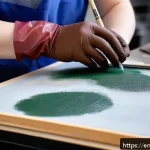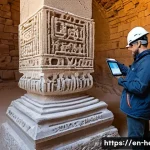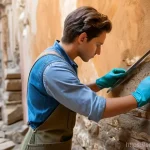
Okay, here’s a blog-style introduction about the career prospects in cultural heritage restoration, keeping your instructions in mind:Have you ever walked through an old historical building and wondered how it’s preserved?
Or maybe you saw a documentary about the restoration of ancient artifacts and thought, “Wow, that’s a cool job!” Well, you’re right! Cultural heritage restoration is a field that’s experiencing a bit of a renaissance, driven by both public and private investment in preserving our history.
I feel that with growing awareness about cultural preservation, the demand for skilled conservators and restoration specialists will keep on increasing!
Let’s delve into the outlook for careers in cultural heritage restoration.
Okay, here’s the main content of the blog post about career prospects in cultural heritage restoration:
Emerging Roles in Conservation Science
Conservation science is evolving beyond traditional art history and studio art backgrounds. We’re seeing a surge in demand for professionals with interdisciplinary skills, blending scientific analysis with hands-on restoration techniques. Directly, I have noticed more job openings seeking candidates with chemistry or materials science backgrounds, eager to apply their technical expertise to understanding and preserving historical objects. This shift opens doors for individuals who might not have considered art conservation initially, but who possess a keen interest in applying their scientific knowledge to cultural preservation.
Analytical Conservators: Unveiling the Composition of the Past
Analytical conservators play a crucial role in understanding the materials and techniques used to create cultural artifacts. They employ a range of scientific instruments, such as X-ray fluorescence (XRF) and Raman spectroscopy, to analyze the composition of paintings, sculptures, and other objects. This analysis informs treatment decisions, helping conservators choose the most appropriate and least invasive methods for preserving the object. For instance, knowing the type of pigment used in a painting can guide the selection of cleaning agents that won’t damage the artwork.
Preventive Conservators: Proactive Preservation Strategies
Preventive conservation is all about minimizing the risk of damage to cultural heritage through environmental control, handling guidelines, and storage solutions. Preventive conservators work in museums, archives, and historic sites, developing strategies to mitigate the effects of light, humidity, pests, and other threats. Their work is essential for ensuring the long-term preservation of collections. In my experience, museums are investing more in preventive conservation measures, recognizing that it’s more cost-effective to prevent damage than to repair it.
The Rise of Digital Heritage and Virtual Restoration
Technology is revolutionizing the field of cultural heritage, creating new opportunities for preservation and access. Digital heritage involves using digital tools and techniques to document, preserve, and share cultural heritage. Virtual restoration allows conservators to create digital models of damaged objects and explore potential restoration options without physically altering the original. This area is expanding rapidly, with universities and research institutions developing new technologies for digital heritage.
3D Scanning and Modeling: Capturing Cultural Heritage in Detail
3D scanning and modeling are used to create highly detailed digital replicas of cultural artifacts and historic sites. These models can be used for a variety of purposes, including documentation, research, education, and virtual restoration. For example, a 3D scan of a fragile sculpture can be used to create a replica for display, while the original is safely stored. I’ve seen this technology used to recreate ancient temples and lost cities, allowing people to experience cultural heritage in new and immersive ways.
Virtual Reality (VR) and Augmented Reality (AR): Immersive Cultural Experiences
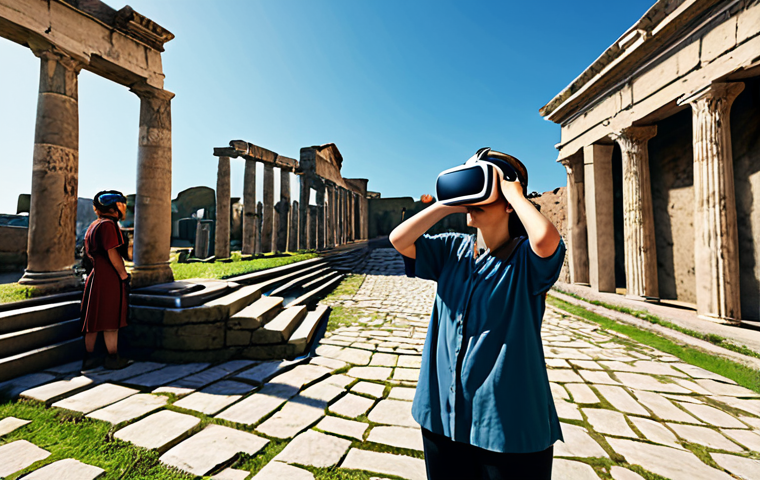
VR and AR technologies are transforming the way people interact with cultural heritage. VR allows users to step into virtual environments and explore historic sites or museums from anywhere in the world. AR overlays digital information onto the real world, enhancing the visitor experience at historic sites and museums. For example, an AR app could allow visitors to see a reconstructed version of a ruined building superimposed onto the existing structure.
Opportunities in Architectural Conservation
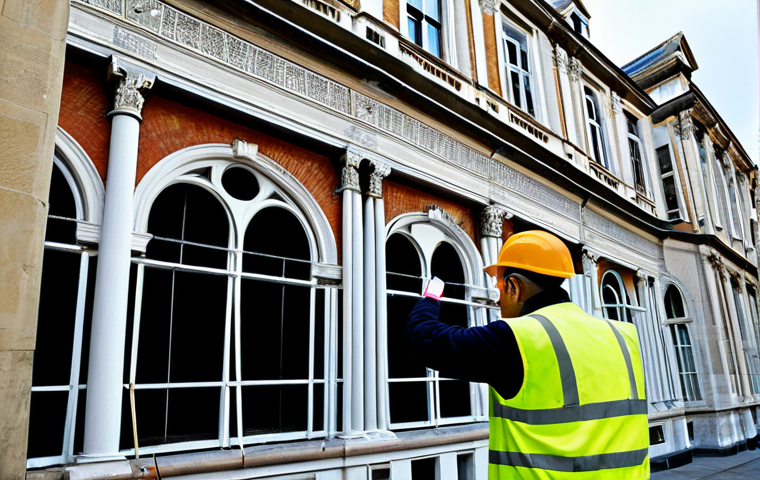
The conservation of historic buildings and structures is a specialized area of cultural heritage restoration. Architectural conservators work to preserve the integrity of historic buildings, addressing issues such as structural deterioration, material degradation, and inappropriate alterations. This field requires a combination of architectural knowledge, historical understanding, and conservation skills. As old buildings are repurposed for modern uses, there is a growing need for architectural conservators who can balance preservation with contemporary design.
Building Materials Specialists: Understanding Historic Construction
Building materials specialists focus on the analysis and preservation of historic building materials, such as stone, brick, wood, and plaster. They assess the condition of these materials, identify the causes of deterioration, and develop appropriate conservation treatments. This expertise is crucial for ensuring that historic buildings are repaired using compatible materials and techniques. Personally, I’ve seen how the use of inappropriate materials can accelerate the decay of historic buildings.
Historic Preservation Planners: Balancing Preservation and Development
Historic preservation planners work with local governments and developers to ensure that historic buildings and districts are protected during development projects. They review proposed projects to assess their impact on historic resources and recommend mitigation measures. This role requires a strong understanding of preservation laws and regulations, as well as the ability to negotiate with developers and community stakeholders.
Museum Conservators and Their Evolving Roles
Museum conservators are responsible for the care and preservation of museum collections. They work with a wide range of objects, including paintings, sculptures, textiles, and archaeological artifacts. Their work involves examining objects, documenting their condition, performing conservation treatments, and advising on storage and display. The role of the museum conservator is evolving, with a greater emphasis on preventive conservation, digital documentation, and collaboration with other museum professionals.
Textile Conservators: Preserving Delicate Fabrics and Costumes
Textile conservators specialize in the preservation of historic textiles, such as clothing, tapestries, and flags. They work to stabilize fragile fabrics, repair damage, and prevent further deterioration. This requires specialized knowledge of textile materials, dyes, and weaving techniques. The preservation of historic costumes is a particularly challenging area, as these objects are often heavily worn and require careful handling.
Objects Conservators: Working with Three-Dimensional Artifacts
Objects conservators work with a wide variety of three-dimensional objects, including sculptures, furniture, ceramics, and metalwork. They assess the condition of these objects, identify the causes of deterioration, and develop appropriate conservation treatments. This requires a broad knowledge of materials and techniques, as well as the ability to work with a variety of tools and equipment.
The Business Side: Private Practice and Consulting
Many conservators and restoration specialists work in private practice, offering their services to museums, historic sites, private collectors, and individuals. Private practice can offer greater flexibility and autonomy, but it also requires strong business skills. Conservators in private practice must be able to market their services, manage their finances, and build relationships with clients. Consulting is another option for experienced conservators, who can provide expert advice on conservation issues.
Building a Client Base: Networking and Marketing
Building a successful private practice requires effective networking and marketing. Conservators can build relationships with potential clients by attending conferences, joining professional organizations, and volunteering their services. A strong online presence is also essential, with a professional website and social media profiles showcasing their expertise. In my experience, word-of-mouth referrals are also a valuable source of new clients.
Financial Management: Budgeting and Pricing
Financial management is crucial for conservators in private practice. They need to be able to develop realistic budgets, track their expenses, and price their services competitively. It’s also important to have a clear understanding of insurance requirements and liability issues. Many conservators find it helpful to work with a financial advisor who specializes in small business finances.
Salaries and Compensation in the Field
Salaries in cultural heritage restoration vary depending on experience, education, specialization, and location. Entry-level positions, such as conservation technicians, may start at around $40,000 per year, while experienced conservators with advanced degrees can earn upwards of $80,000 or more. Conservators working in private practice have the potential to earn even more, but their income will depend on their ability to attract clients and manage their business effectively.
Salary Expectations by Role
Here’s a general overview of salary expectations for various roles:
- Conservation Technician: $35,000 – $50,000
- Assistant Conservator: $45,000 – $65,000
- Conservator: $60,000 – $80,000+
- Senior Conservator/Consultant: $80,000 – $120,000+
Keep in mind that these are just estimates, and actual salaries may vary.
Additional Benefits
Besides salary, benefits can include health insurance, retirement plans, paid time off, and professional development opportunities. Some employers may also offer assistance with relocation expenses or tuition reimbursement. Benefits can significantly impact the overall compensation package, so it’s important to consider them when evaluating job offers.
Essential Skills and Training
A career in cultural heritage restoration requires a unique combination of skills and training. Strong analytical skills are essential for examining objects and diagnosing conservation problems. Manual dexterity and attention to detail are needed for performing conservation treatments. A deep understanding of art history, materials science, and conservation ethics is also crucial.
Formal Education
Most conservators have a master’s degree in conservation or a related field, such as art history, archaeology, or materials science. Conservation programs typically include coursework in conservation theory, materials science, treatment techniques, and ethics. Internships and apprenticeships are also an essential part of the training process, providing hands-on experience under the supervision of experienced conservators.
Practical Experience
Practical experience is essential for developing the skills and knowledge needed to become a successful conservator. Internships and apprenticeships provide opportunities to work on a variety of objects and learn from experienced professionals. Volunteering at museums and historic sites can also be a valuable way to gain experience. Many conservators continue to pursue professional development opportunities throughout their careers, attending workshops, conferences, and seminars to stay up-to-date on the latest techniques and research.
Resources and Professional Organizations
Numerous resources and professional organizations support cultural heritage restoration professionals. These organizations provide opportunities for networking, professional development, and advocacy. They also offer access to publications, conferences, and other resources.
| Organization | Description | Website |
|---|---|---|
| American Institute for Conservation (AIC) | The leading professional organization for conservators in the United States. | |
| International Council of Museums (ICOM) | A global organization dedicated to the preservation and promotion of cultural heritage. | |
| Getty Conservation Institute (GCI) | An international research institute dedicated to advancing conservation practice. |
Networking Opportunities
Attending conferences and workshops is a great way to network with other professionals in the field. Joining professional organizations and participating in online forums can also provide opportunities to connect with colleagues and learn about job openings. Networking can lead to valuable collaborations, mentorships, and career opportunities.
Staying Updated
The field of cultural heritage restoration is constantly evolving, so it’s important to stay updated on the latest techniques and research. Subscribing to professional journals, attending conferences, and participating in online forums are all ways to stay informed. Many professional organizations also offer continuing education courses and workshops.
In Conclusion
The field of cultural heritage restoration is both deeply rewarding and constantly evolving. Whether you’re drawn to the scientific analysis of artifacts, the hands-on work of conservation, or the exciting possibilities of digital heritage, there’s a place for you in this field. With dedication, the right education, and a passion for preserving our shared past, you can contribute to ensuring that cultural treasures endure for generations to come. It’s a blend of art, science, and history that truly makes a difference.
Good-to-Know Facts
1. Many museums offer volunteer opportunities in their conservation departments. This is a great way to gain experience and network with professionals in the field.
2. Look for internships at historic sites or with private conservation firms during your education. Practical experience is invaluable.
3. Consider joining professional organizations like the American Institute for Conservation (AIC) to access resources and connect with peers.
4. Attend workshops and conferences to stay updated on the latest conservation techniques and research.
5. Networking with professionals in the field can open doors to job opportunities and mentorships. Don’t be afraid to reach out and ask for advice!
Key Takeaways
A career in cultural heritage restoration requires a blend of education, skills, and passion. From museum conservators to architectural preservationists, there are diverse roles to explore. Embrace lifelong learning and network with other professionals to excel in this rewarding field.
Frequently Asked Questions (FAQ) 📖
Q: What kind of job security can I expect in cultural heritage restoration?
A: Honestly, it’s more secure than you might think! Museums, historical societies, and even private collectors are always looking for skilled folks to care for their treasures.
Plus, think about all those old buildings needing some TLC – the demand is pretty steady. Of course, experience and specialized skills (like working with specific materials) will definitely boost your job security.
I know a few people who’ve been in the field for decades, and they’re still in high demand.
Q: What are the salary expectations for someone starting out in cultural heritage restoration?
A: Okay, let’s be real – you’re probably not going to get rich overnight. Entry-level positions might not pay a fortune, but it’s a passion-driven field, right?
Starting salaries can vary quite a bit based on location, the type of employer (museum vs. private company), and your specific skills. I would say to expect something in the range of $35,000 to $50,000 to start.
As you gain experience and specialize, your earning potential definitely increases. Think certifications, advanced degrees, and getting really good at a particular restoration technique – that’s where the big bucks are!
Q: Is a formal education absolutely necessary to get into this field?
A: While experience can count for a lot (and I’ve seen some amazing self-taught artisans), a formal education definitely gives you a leg up. Many employers look for a bachelor’s or master’s degree in conservation, art history with a focus on conservation, or a related field like chemistry (especially if you’re working with materials science).
The coursework provides the theoretical knowledge and hands-on training that’s really essential. Plus, a degree can open doors to internships and networking opportunities, which are crucial for getting your foot in the door.
I personally think a combination of academic study and practical experience is the ideal way to go.
📚 References
Wikipedia Encyclopedia
구글 검색 결과
구글 검색 결과
구글 검색 결과
구글 검색 결과